I have not done a lot of wildlife-watching since I returned from Baltimore - mainly because I do not have a valid bus pass yet and I only try to go to places within walk- and bike-able distances. Besides where I live, the other places I go to for the past two weeks are: Sawmill Creek Wetland, the Arboretum, McCarthy Woods, and the university. Here are some interesting things that I photographed.
Sawmill Creek Wetland
Showing posts with label caterpillar. Show all posts
Showing posts with label caterpillar. Show all posts
2015/08/31

2014/05/03
More flowers and bees in McCarthy Woods
The weather was suppose to be poor this weekend, so when I saw some sunny breaks this afternoon, I quickly grabbed my camera and headed to McCarthy Woods to take some photos.
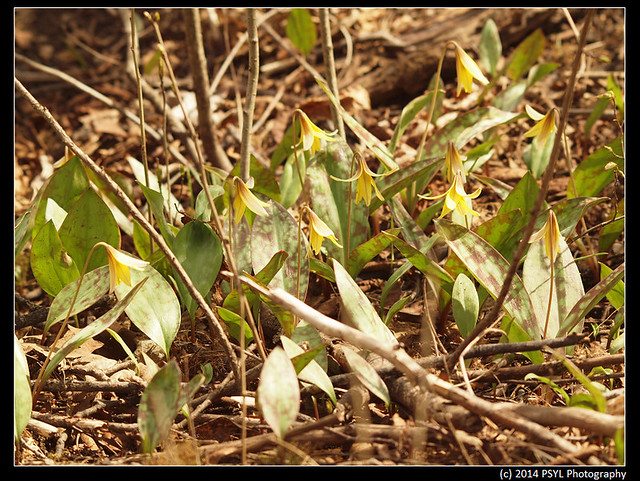
I saw more Trout-lilies (Erythronium americanum) in flower.
2013/09/23
Critters behind DNA building
Just some photos I took behind the DNA building this afternoon when I came outside to eat my lunch.
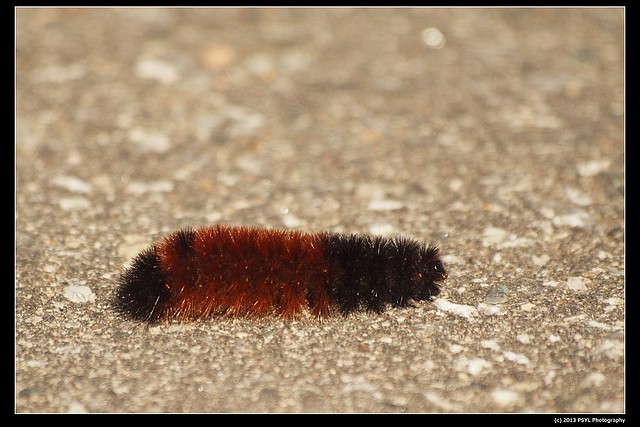
First woolly bear I saw this season crossing the parking lot. I saw a (squished) one while I was biking home later in the day.
2013/09/07
Prairie Day at Aldverille Black Oak Savannah
Prairie Day took place this morning at Alderville Black Oak Savannah, and I was asked to take photos of the event. It was an entertaining event although the poor weather (overcast with some rainy periods) seemed to deter people from coming.
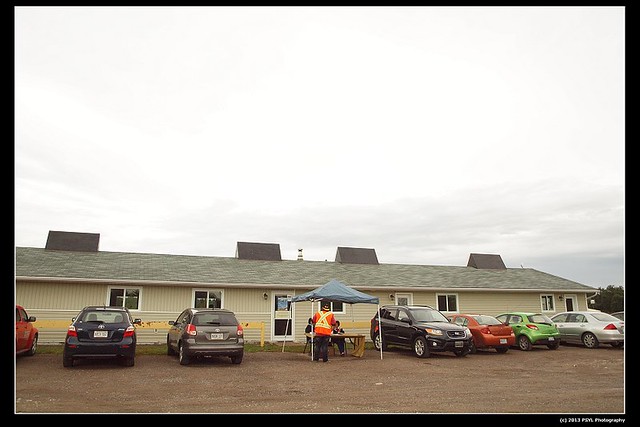
Volunteers in front of the building welcoming guests.
Volunteers in front of the building welcoming guests.
2013/08/05
Arctic/alpine pollination workshop in Kluane National Park, Yukon - Part 2
During the workshop we had various presentations from researchers currently working in the Canadian Pollinator Initiative (CANPOLIN) and members from the Yukon government and local First Nations group. We also discussed tasks that need to be done as the NSERC funded initiative is coming to an end, and also brainstormed topics/projects that will be of relevance to people living in northern communities and scientists in the future.

Thank you to the AINA for hosting us.
2013/06/24
Critters found in Trent Ward Garden
I am back! Well, I was actually back from Algonquin on Saturday, but there are more important priorities than blogging at the moment. As I mentioned before, I have a lot of photos and new knowledge about plants to share, but I'll probably be sharing just a piece at a time.
Let's start with the Sunday (June 16th) before the field course actually started, when I went to Trent Ward Garden to take some photos and identify some plants.
Let's start with the Sunday (June 16th) before the field course actually started, when I went to Trent Ward Garden to take some photos and identify some plants.
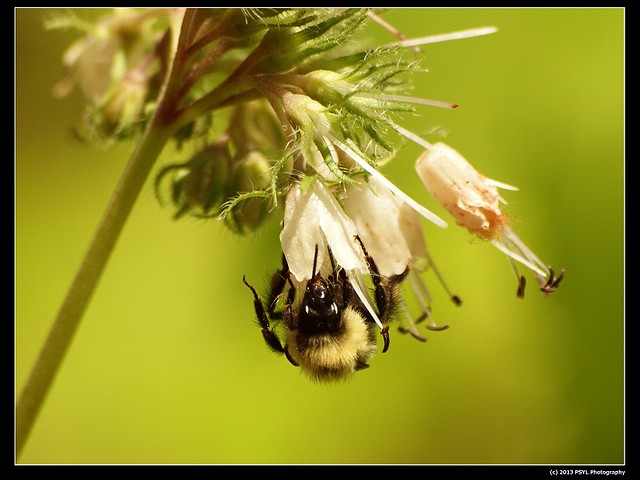
Bumblebee visiting Virginia Waterleaf (Hydrophyllum virginianum) flowers.
2013/05/10
Recap of the week - new macro technique and critters saw during Enrichment camp
While experimenting with my Nikon P&S lately, I found out that if I hold my small hand lens (for plant identification) in front of the P&S lens, then I can get a pretty decent close-up photo of the critter/flower (but I need to get very close).
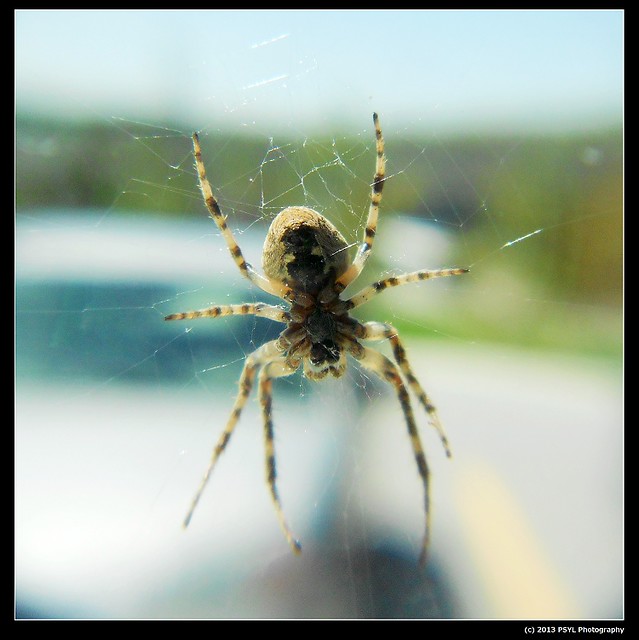
I took photos of this spider just outside my office window on Monday.
On Tuesday and Thursday, I assisted with two of the mini-course programs held here at Trent. One was getting elementary students "Wild About Nature!", and the second was teaching students about "Habitat and Organisms". It has been a while since I worked with children, but it's quite rewarding especially now that I am teaching them about nature.
For "Wild About Nature!", we first made a field kit, consisting of a clinometer, a plant press, and an insect-collecting container. We then took the children outside to measure tree heights using the clinometer. We also played games with the children - one called "Predator & Prey" (three trophic levels - grasshoppers, orioles, and hawks) and one with three different feeding apparatuses (modified plastic knifes, spoons, and forks) to collect different prey types. We also took the children outside to collect plants and insects.
2012/09/09
Caterpillar, Bee, and Rainbow Sunday
Today is International Rock Flipping Day (9/9). I flipped some rocks behind my office building this afternoon, but it seemed too disturbed (basically a gravel mound from recent constructions) to have much biodiversity. Too bad. I did saw some ants and tiny tiny critters though, underneath the rocks, but that was about it.
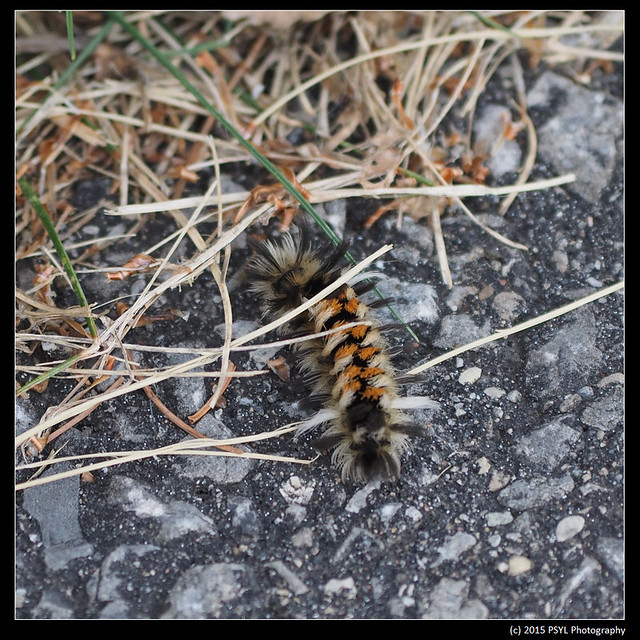
Saw this pretty caterpillar on my way out of the building.
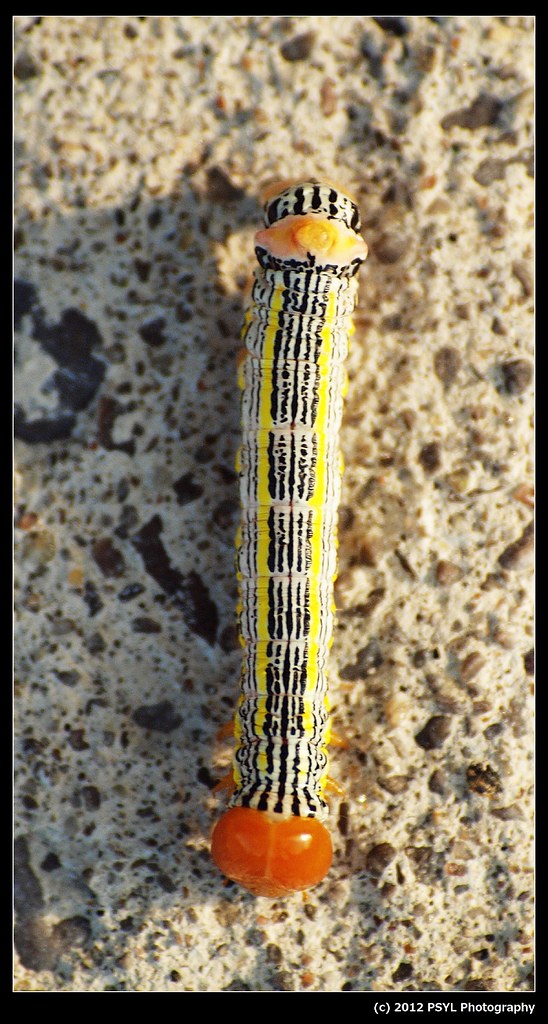
Saw this pretty caterpillar on my way out of the building.
2012/04/17
Shaw Nature Reserve
In the morning we learned about the botanical and floral diversity in pollination biology. For example, the different mating and breeding systems for plants, as well as the history of categorizing flower types to better associate the pollinators and the appropriate pollinator syndrome.
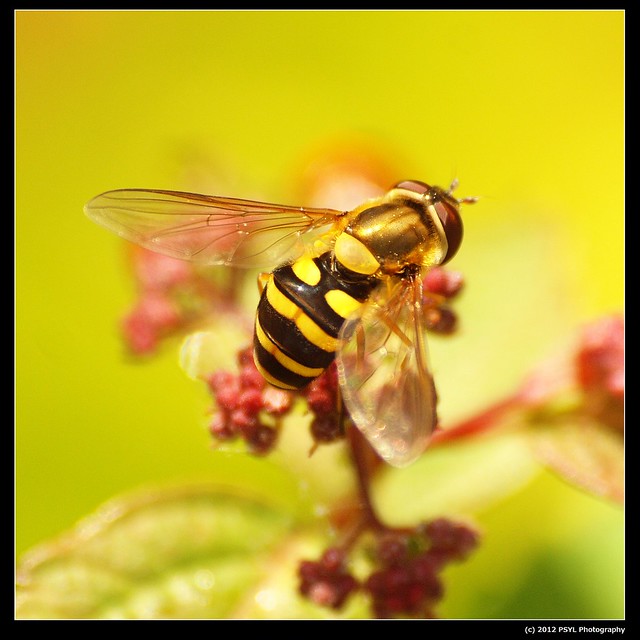
Photographed a Syrphid during a break.
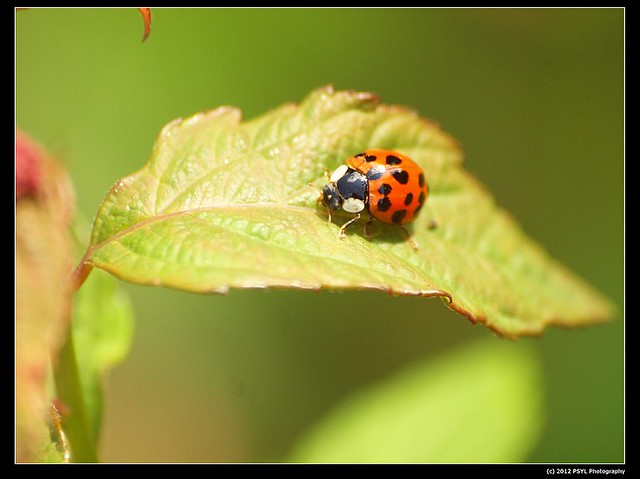
Asian lady beetle (Harmonia axyridis)
Photographed a Syrphid during a break.
Asian lady beetle (Harmonia axyridis)
In the afternoon, we headed to a different part of Missouri Botanical Garden outside the city. It is called Shaw Nature Reserve.
2011/09/25
Presqu'ile Provincial Park - Part 1
As I mentioned on Friday, my supervisor asked me if I want to tag along with her class (and a few people from our lab) on Sunday to Presqu'ile Provincial Park to do some bird-watching. Of course I said yes!
I went a little bit overboard with photo taking today, so today will be split into two parts.
 Walking to the bus stop to get picked up at 6:40am. Haven't woke up this early in a long time, but the morning sky is so pretty!
I went a little bit overboard with photo taking today, so today will be split into two parts.
Walking to the bus stop to get picked up at 6:40am. Haven't woke up this early in a long time, but the morning sky is so pretty!2010/09/18
Day trip to North and West Vancouver
Today, my family and some family friends went to North Vancouver to do some sight-seeing.
Our first stop was the Capilano Salmon Hatchery. We saw a lot of salmons trying to swimming upstream to get to their destinations. Definitely a group of species that deserves to be admired and protected.
 My mother said the "fall" is quite loud. I said Niagara Falls is definitely a thousand times louder than this.
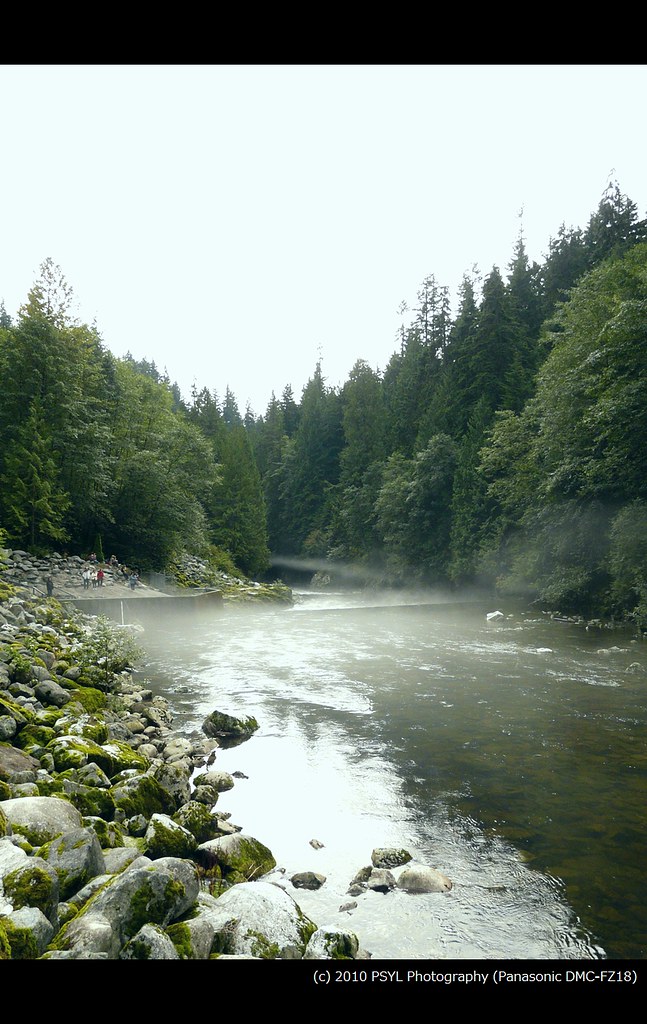
Mist over the Capilano River. The mist added a sense of mystique to the river.
Our first stop was the Capilano Salmon Hatchery. We saw a lot of salmons trying to swimming upstream to get to their destinations. Definitely a group of species that deserves to be admired and protected.
My mother said the "fall" is quite loud. I said Niagara Falls is definitely a thousand times louder than this.Mist over the Capilano River. The mist added a sense of mystique to the river.
2010/08/11
More photos - Awenda & Muskoka Wildlife Centre & others
Good evening everyone. I just spent the past two-and-half days camping in Algonquin Provincial Park and enjoying my long off-days. It was an amazing experience. Hopefully by next time I post, I will have sorted the photos to share, e.g. otters, moose, beautiful lakes, etc. But now, here are photos from the past two weeks and my last off-days.
A nice photo from Awenda Park
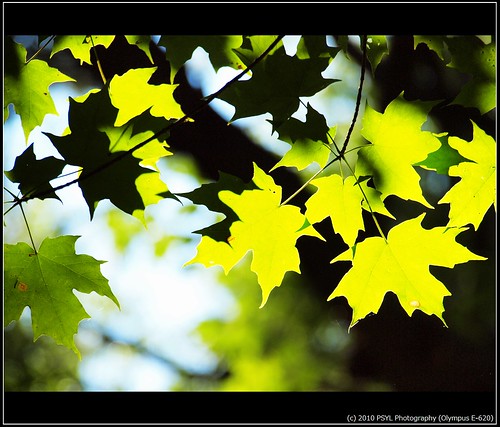
A nice photo from Awenda Park
2010/07/27
Howdy - more photos to share
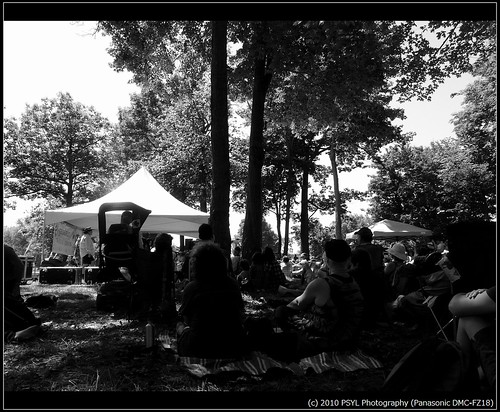
On my last off-days, I went to the Mariposa Folk Festival. It was quite an amazing experience - lots of interesting things to check out, great new bands and musicians to discover and the weather was just fantastic.
This was one of my favorite musicians at the festival - Catherine MacLellan.

After my off-days, it was back to work. Here are more photos from the field site.
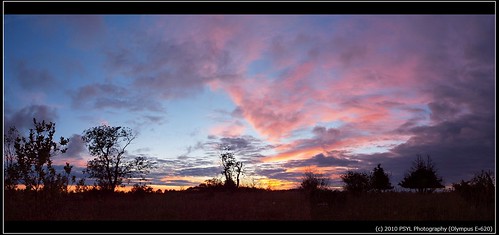
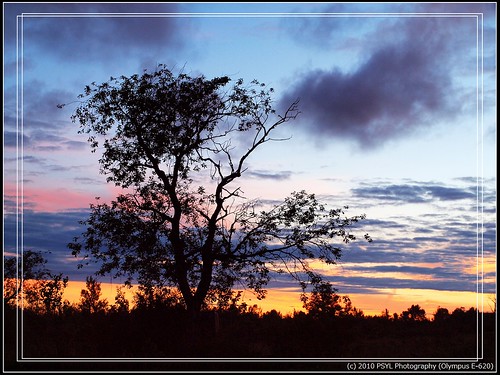
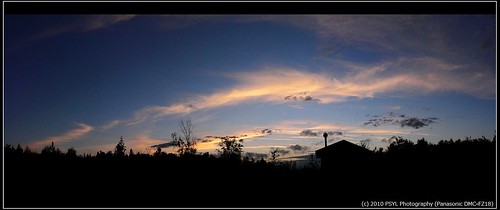
This was one of my favorite musicians at the festival - Catherine MacLellan.
After my off-days, it was back to work. Here are more photos from the field site.
2010/05/07
Lifers and Sights from Carden and surrounding areas
It has been a while since my last post. Many of good things had happened and work is going well too. And the best things are probably all the new lifers that I am seeing and the beautiful country that I am currently living in.
Lifers:

Blue Jay (Cyanocitta cristata)
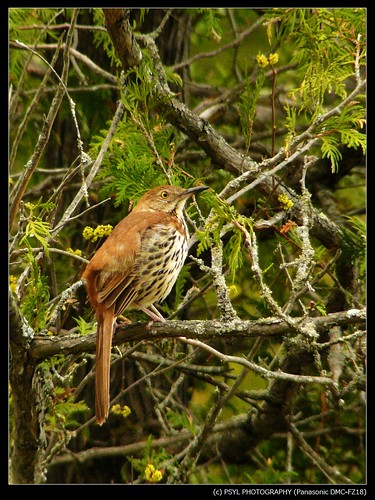
Brown Thrasher (Toxostoma rufum)
Lifers:
Blue Jay (Cyanocitta cristata)
Brown Thrasher (Toxostoma rufum)
2010/03/19
Heron doing its business
My mother and I went to Richmond Centre today to get some supplies for my upcoming trip to Ontario.
 Cutting through the Minoru Park.
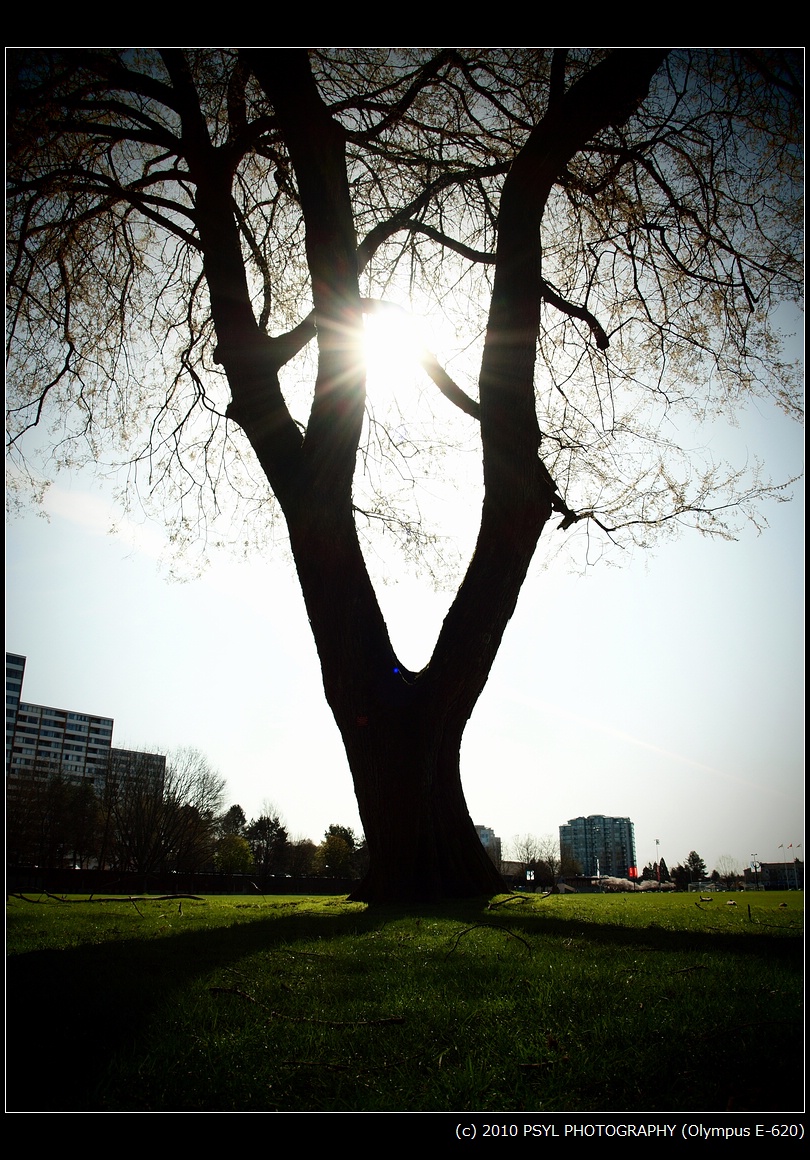
Cutting through the Minoru Park.Using the pin-hole art filter in the camera. Very cool.
2010/03/13
Running away from the sex-crazed pheasant!
The title pretty much summed up what happened to me today. But let's start in a normal fashion.
 Using my new camera for a sky-watch photo.
I saw a Great Blue Heron standing on a log hunting. It was quite far away so I used my trusty FZ18 for the job.

Looking.
 Small fish caught!
Using my new camera for a sky-watch photo.I saw a Great Blue Heron standing on a log hunting. It was quite far away so I used my trusty FZ18 for the job.
Looking.
Small fish caught!2009/07/08
Working indoors most of the day...
Almost the entire day today was spent indoors organizing and analyzing last year's data, including incubation time, brooding time, feeding time, and cleaning time. All part of the necessary work to achieve quality work. Sigh.
 So when I had the chance to go outside and helped out a little, I was more than glad to contribute.
 The sidewalk Camphor tree again. The barbet photographed is the male adult. It has a much cleaner and brighter plumage than the female, and when we checked again in the afternoon, there were still three eggs.
 There were tens of these tiny (about 2-mm in length) wasp-looking insects. It's very likely that they hatched from the cocoons on the poor caterpillar. I saw some of these insects on the dead caterpillar, possibly feeding on it. I wonder if they will get any larger.
So when I had the chance to go outside and helped out a little, I was more than glad to contribute.The sidewalk Camphor tree again. The barbet photographed is the male adult. It has a much cleaner and brighter plumage than the female, and when we checked again in the afternoon, there were still three eggs.But after being outside for less than fifteen minutes, co-workers at another nest site had successfully captured the female adult and required assistance back in the office for physical measurements and leg-banding. So back to the office again.
Before leaving work in the afternoon, I photographed the caterpillar again. Initially, the situation looked the same as usual until I noticed a few small insects inside the container as well.
Before leaving work in the afternoon, I photographed the caterpillar again. Initially, the situation looked the same as usual until I noticed a few small insects inside the container as well.
There were tens of these tiny (about 2-mm in length) wasp-looking insects. It's very likely that they hatched from the cocoons on the poor caterpillar. I saw some of these insects on the dead caterpillar, possibly feeding on it. I wonder if they will get any larger.Hopefully, I will have the chance to watch my co-workers catch the second of the barbet adult pair tomorrow.
.2009/07/07
Strange living places
Yesterday, a volunteer observer told me about a Black Drongo (Dicrurus macrocercus) nest at a metro station near where I live. So in the morning, I rode the train backwards one station to see it for myself. The nesting bird was indeed there, right across from the metro tracks. What a strange place to live.
 Black Drongo (Dicrurus macrocercus) in the brooding stage. I love its tail!
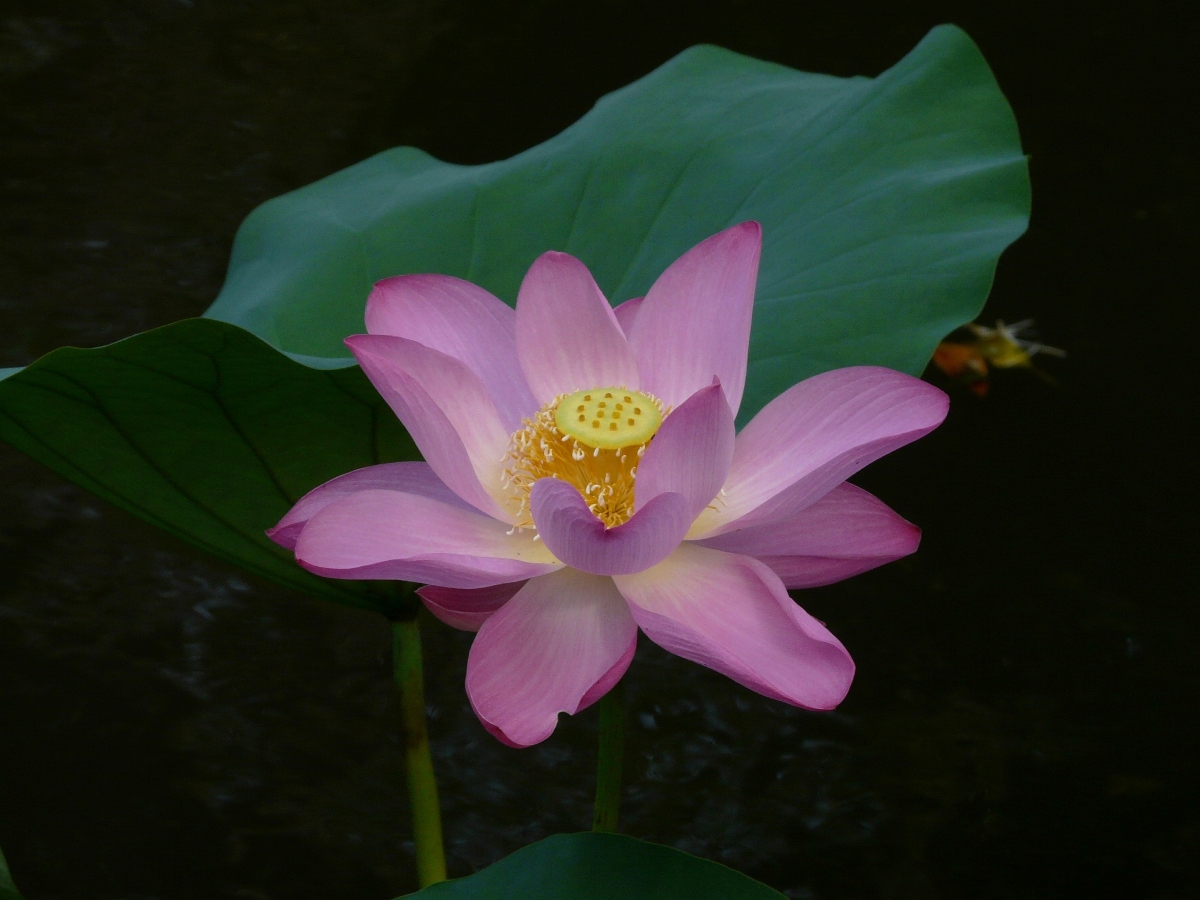
Beautiful Water Lily
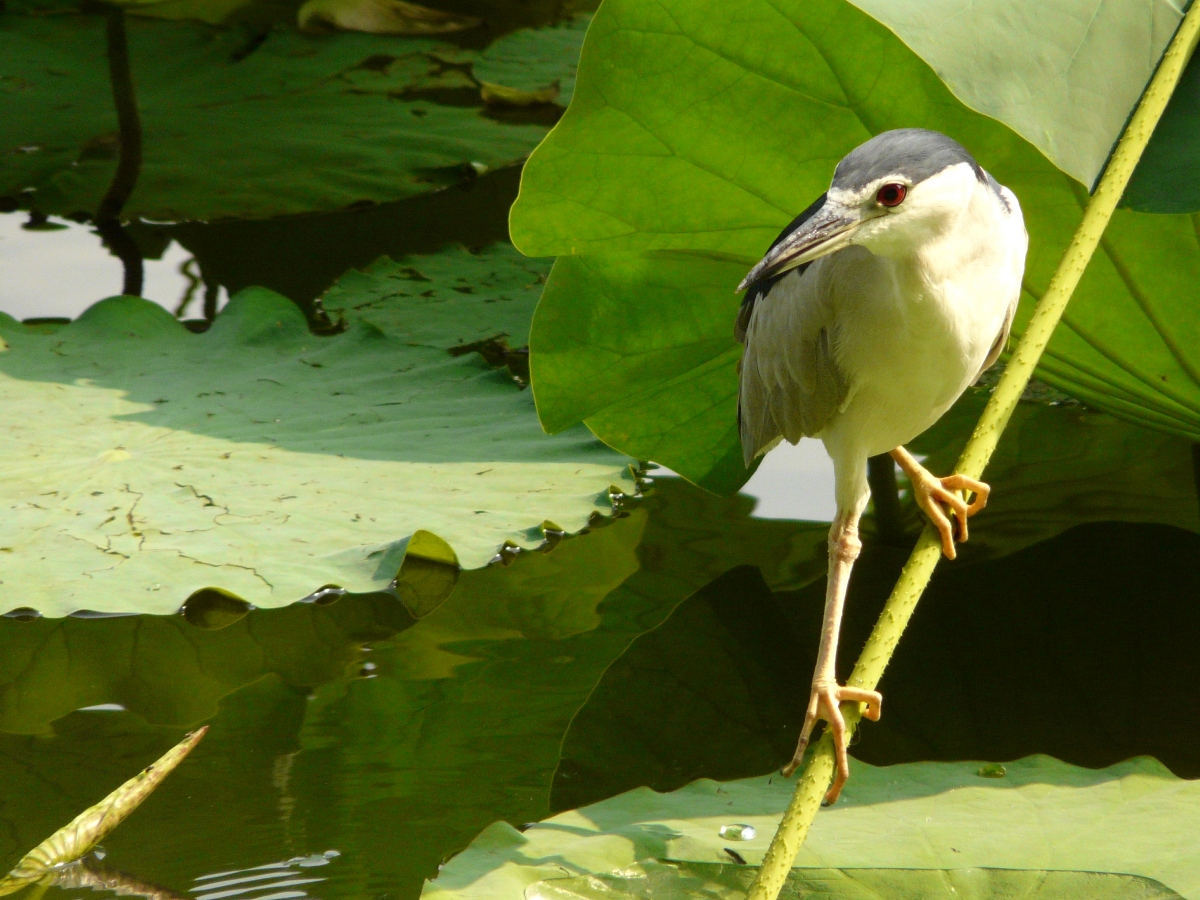
Black-crowned Night Heron fighting for bread crumbs that tourists are throwing to feed the fishes in the pond.
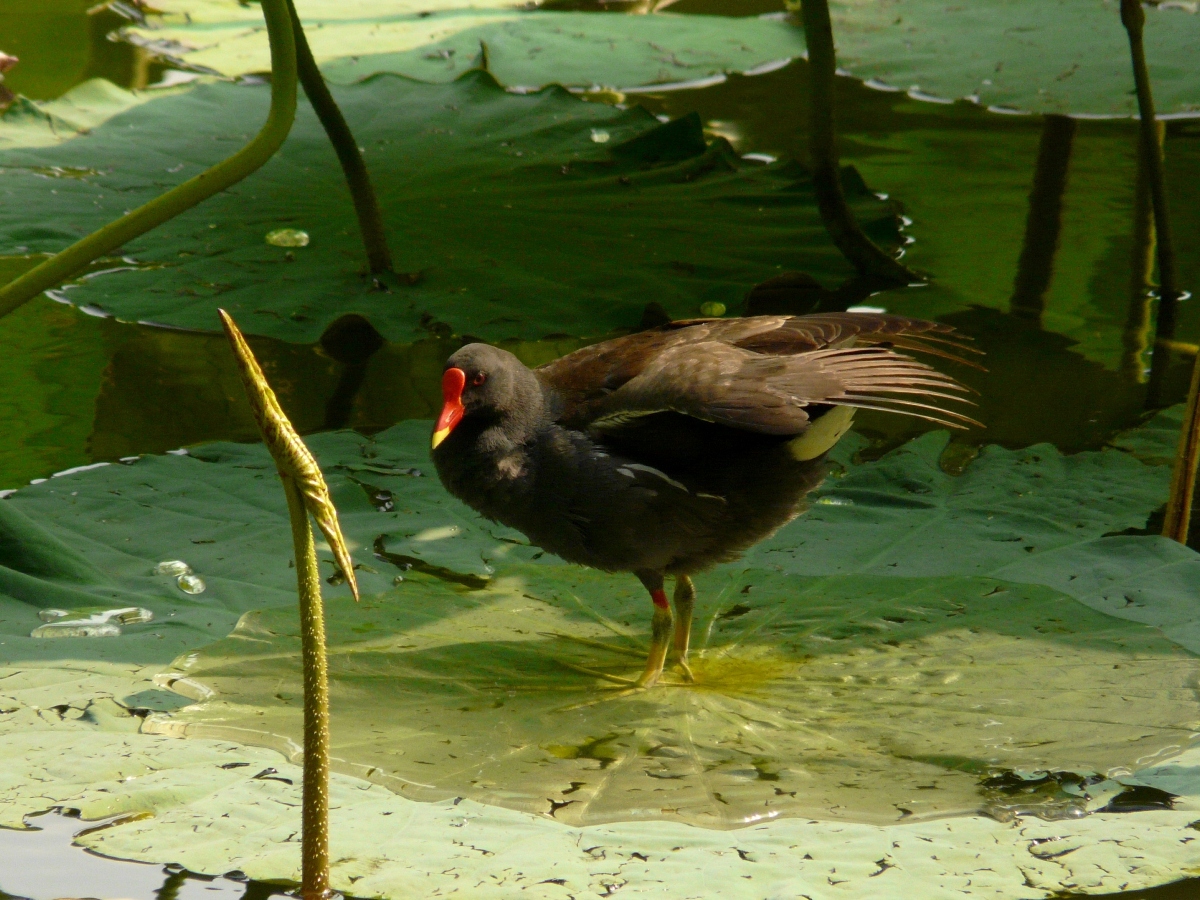
Common Moorhen had to join in on the action as well.
 Since I was just visiting I did not take part of the endoscopic observation. So I can finally photograph and show you how we do it.
 The above photo is the nest entrance. As you can see, the nest is again inside a Camphor tree on a sidewalk of a busy street (second strange living places of the day). The below left photo shows one person handling the extended pole with the endoscopic equipments attached to it while another has a small screen attached to the camera and takes photographs of the latest nest status [the photograph showed 3 eggs already]. So why copulating again? The below right phot shows the camera (and LCD lights) extending into the nest cavity to record the status. Isn't it fun? This nest is relatively close to the ground so using the pole is enough. But imagine a nest at least 10 meters above the ground. That's when it gets dangerous and tricky.
 Still the same...
Black Drongo (Dicrurus macrocercus) in the brooding stage. I love its tail!Before arriving work early, I hang around the Lotus Pond in TBG and took some pretty nice photos.
Beautiful Water Lily
Black-crowned Night Heron fighting for bread crumbs that tourists are throwing to feed the fishes in the pond.
Common Moorhen had to join in on the action as well.
Afterwards, I headed back to office to start working on my paper report. Most of my morning consisted of analyzing and describing photos of nestling developments. During lunchtime, I came outside again to check out a new nest site that my co-workers have been monitoring for a while now. The nest site is located adjacent from the TBG, so it is not actually inside the garden. Nevertheless, the data will be worth having since this is a new nest tree with a new pair so that we can have a complete set of data of this particular nest.
While I was there, the male adult came close to the female and mounted her! What horny birds, according to my colleagues, because this pair has sex quite often.
While I was there, the male adult came close to the female and mounted her! What horny birds, according to my colleagues, because this pair has sex quite often.
Since I was just visiting I did not take part of the endoscopic observation. So I can finally photograph and show you how we do it.The above photo is the nest entrance. As you can see, the nest is again inside a Camphor tree on a sidewalk of a busy street (second strange living places of the day). The below left photo shows one person handling the extended pole with the endoscopic equipments attached to it while another has a small screen attached to the camera and takes photographs of the latest nest status [the photograph showed 3 eggs already]. So why copulating again? The below right phot shows the camera (and LCD lights) extending into the nest cavity to record the status. Isn't it fun? This nest is relatively close to the ground so using the pole is enough. But imagine a nest at least 10 meters above the ground. That's when it gets dangerous and tricky.Still the same...2009/07/06
TBG Attractions
I spent a part of the morning just walking around the botanical garden carrying equipements back and forth.
This is one of the Muller's Barbets that we were recording today. The below is the female adult, as identified by its whitish lower beak.
This is one of the Muller's Barbets that we were recording today. The below is the female adult, as identified by its whitish lower beak.
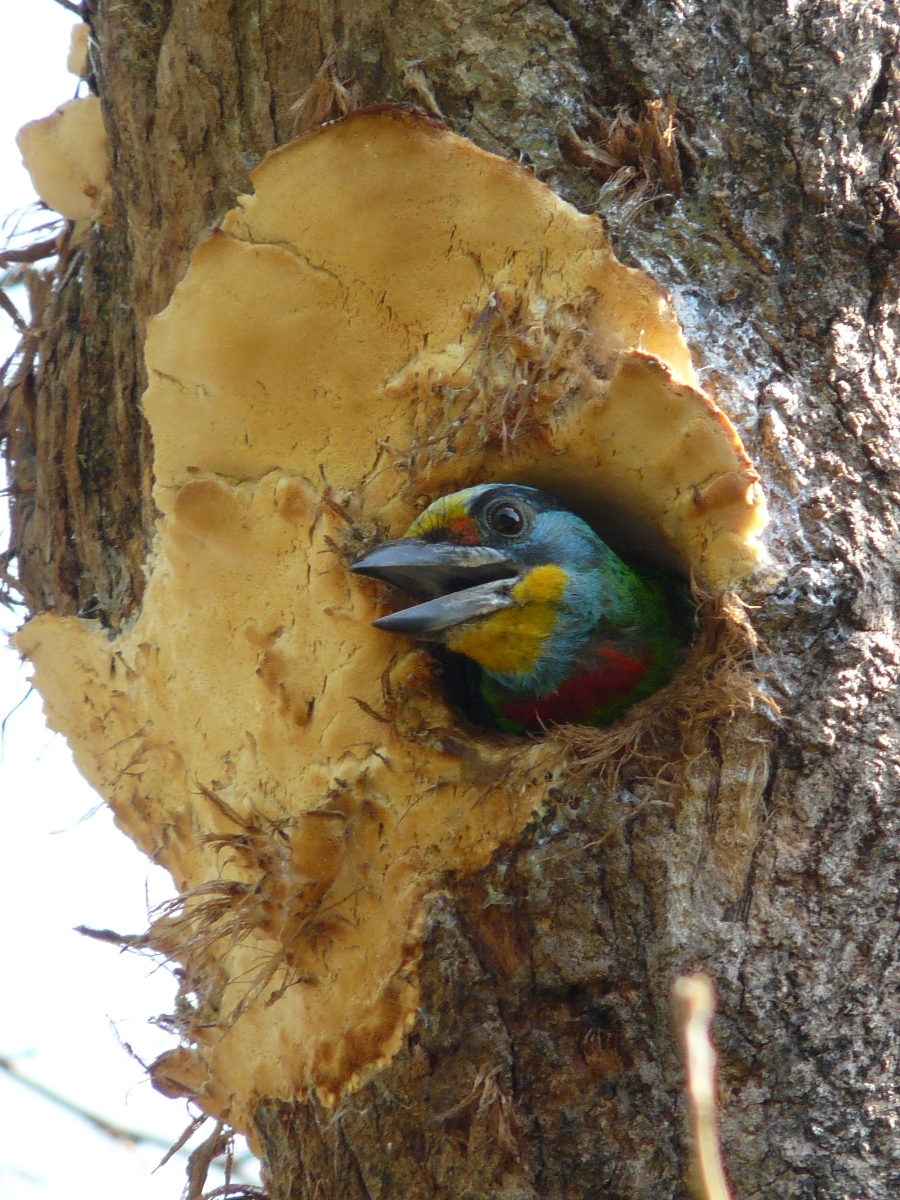
Muller's Barbet (Megalaima nuchalis)
From now on, one of my main tasks will be sorting and compiling literatures and writing my paper report; hence, my work will be taking place inside the office. Nevertheless, when I have the time and opportunity to go out to the botanical garden, I tried to enjoy every moment.
 The beautiful male Black-naped Blue Monarch (Hypothymis azurea) standing on its nest with two new nestlings. This nest is becoming photographers' favorite subject to shot in the garden.
I still get arranged to observe barbets for three hours when we are short-handed, such as today. While watching for the parent barbets to come back and feed their nestlings (which was infrequent), a female Oriental Magpie Robin came just a few meters away from me.
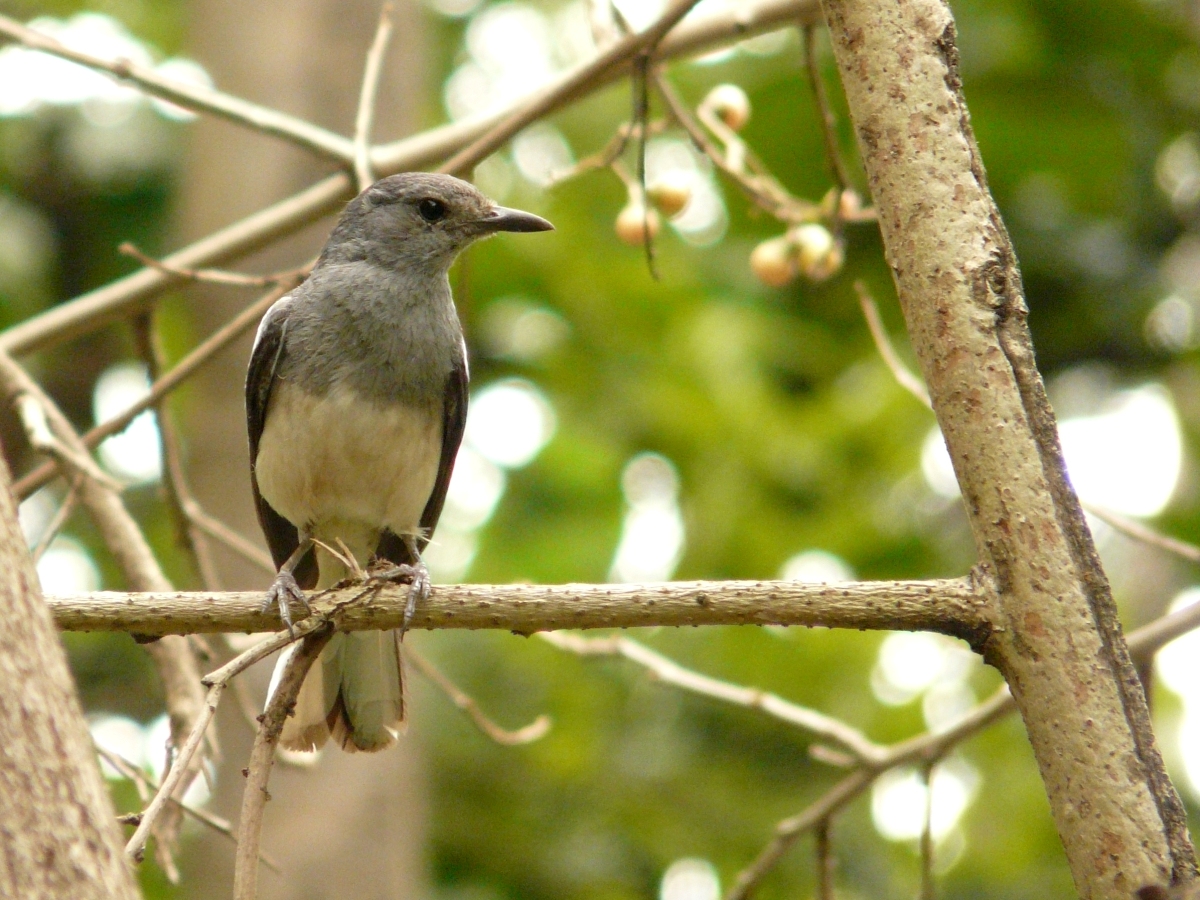
Female Oriental Magpie Robin (Copsychus saularis)
As some of you may already know, the botanical garden is also quite abundant in the stray cats inhabiting this area. They are also quite a favorite attraction among common tourists because no one can deny their cuteness and beauty.
 Mama cat and baby kitten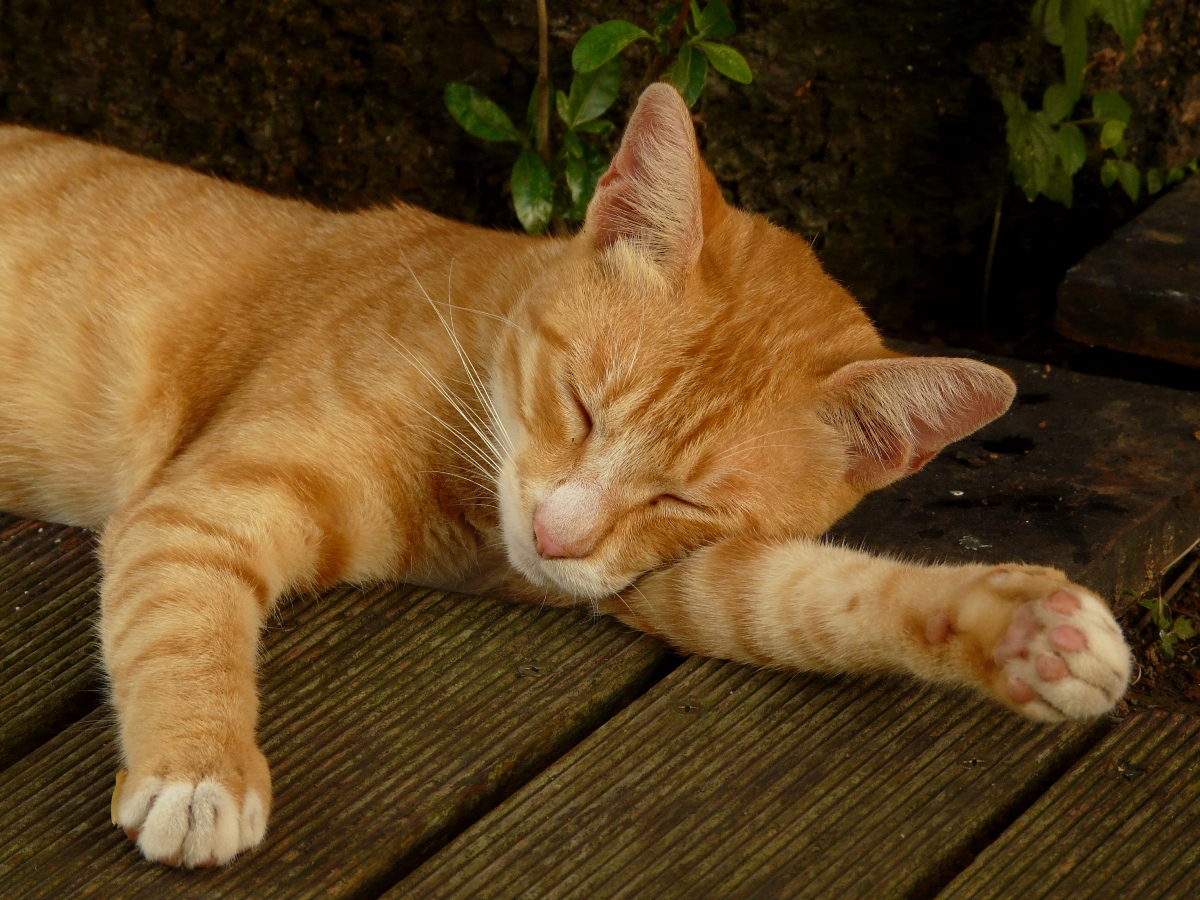
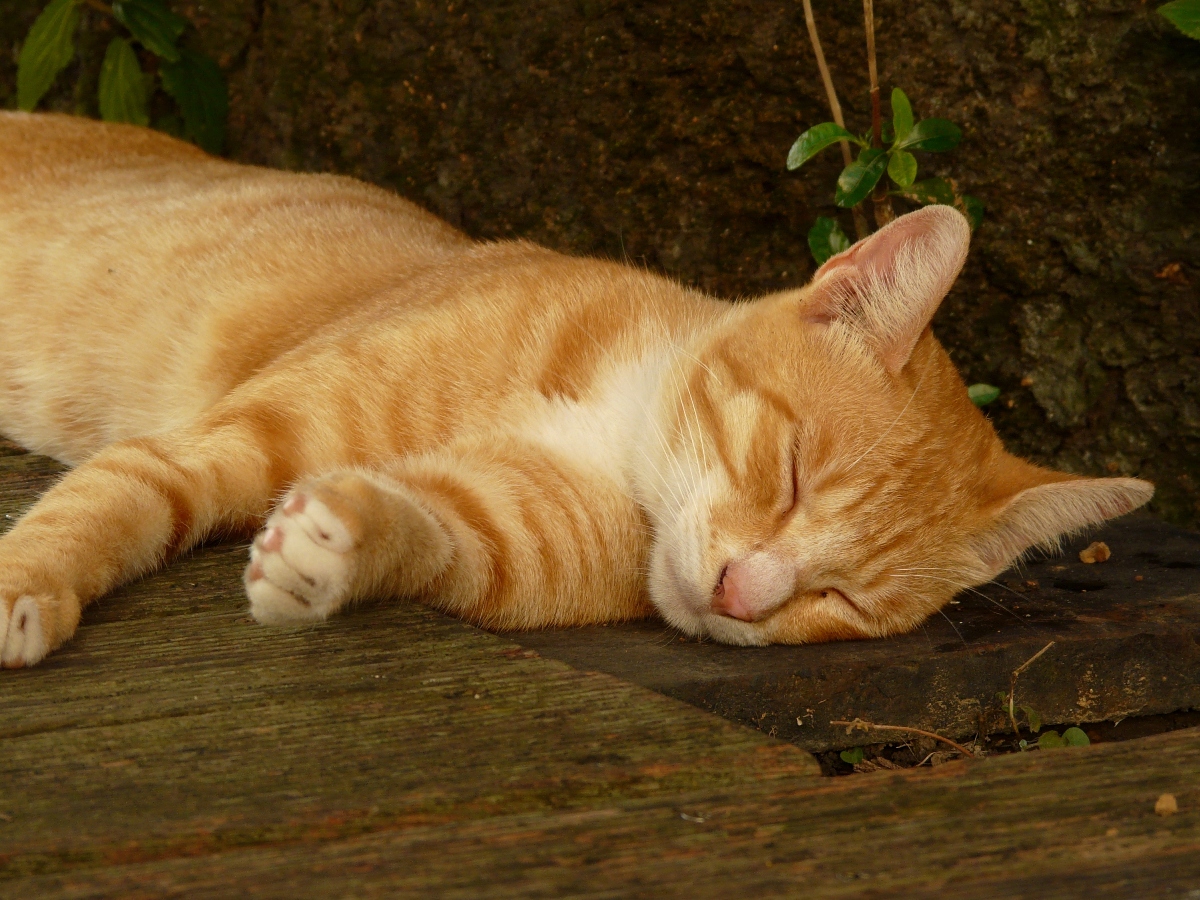
Taking a nice nap...
While heading back to the office, we came across a Malay Night Heron standing on a grass field (and later scared onto a tree by a cat).
 Malay Night Heron (Gorsachius melanolophus)
 Not much seems to have progressed during the weekend.
.
2009/07/04
Seeing the beautiful Oriental Magpie Robin and Little Egret
Yesterday, I had dinner with a co-worker/friend and by the time I got home it was already midnight. So sorry for the late post.
Yesterday's work was more or less the same as the past few days: observing and trying to catch barbets. We spent almost the entire day trying to catch the other barbet, but it was unsuccessful. Observing the other barbet pair was fairly simple as they are in the incubation stage so the parents stayed inside the cavity for an extended amount of time and poked their heads out every ten minutes or so. The cavity allows only one parent inside at one time, so the two alternate every hour or so.
 Above is the male bird. He can be identified by the two spots on the upper left side of his face (one dark spot just in front of its eyes and one spot on his beak). The bottom is the female and she does not have the spots.
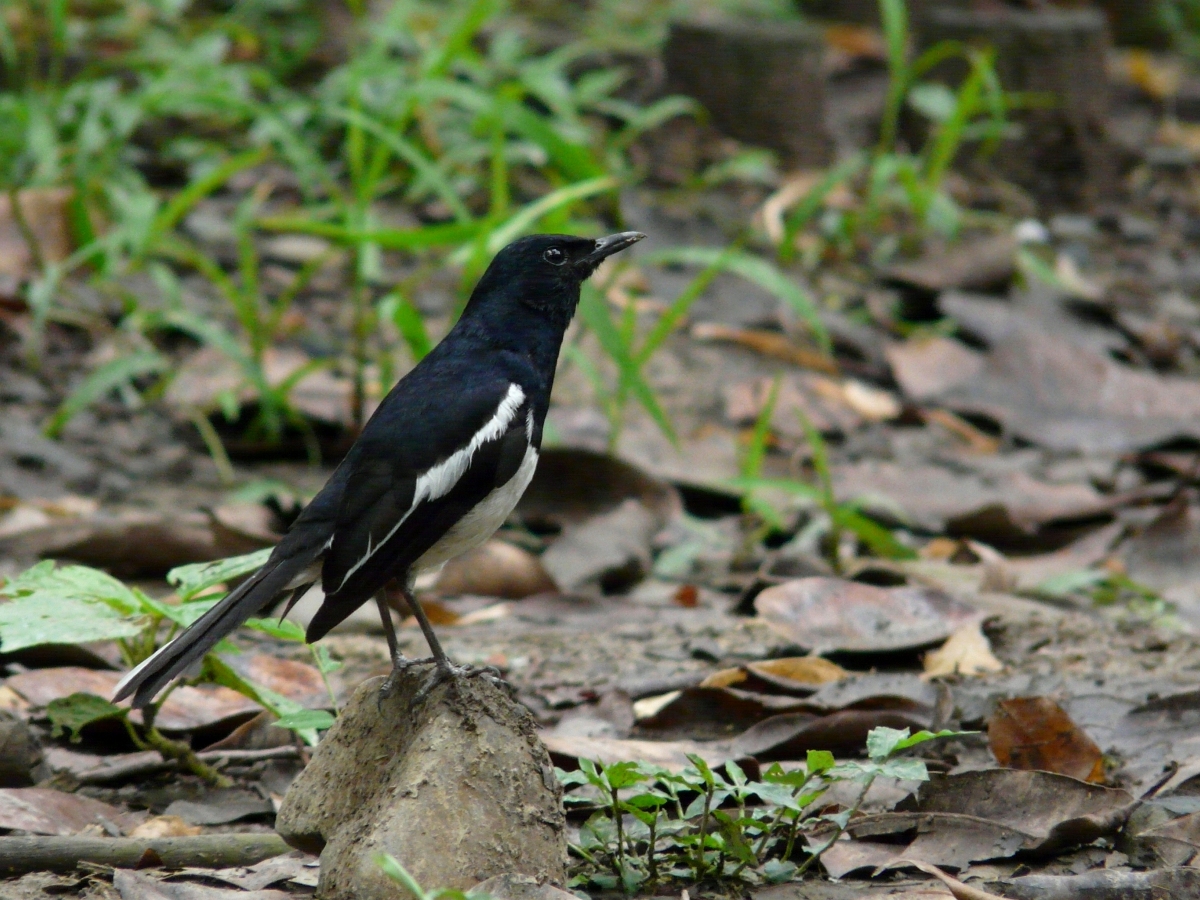
Even though it's named a "robin", it belongs in the Family Muscicapidae (not the thrush family Turdidae).
 Little Egret preening.
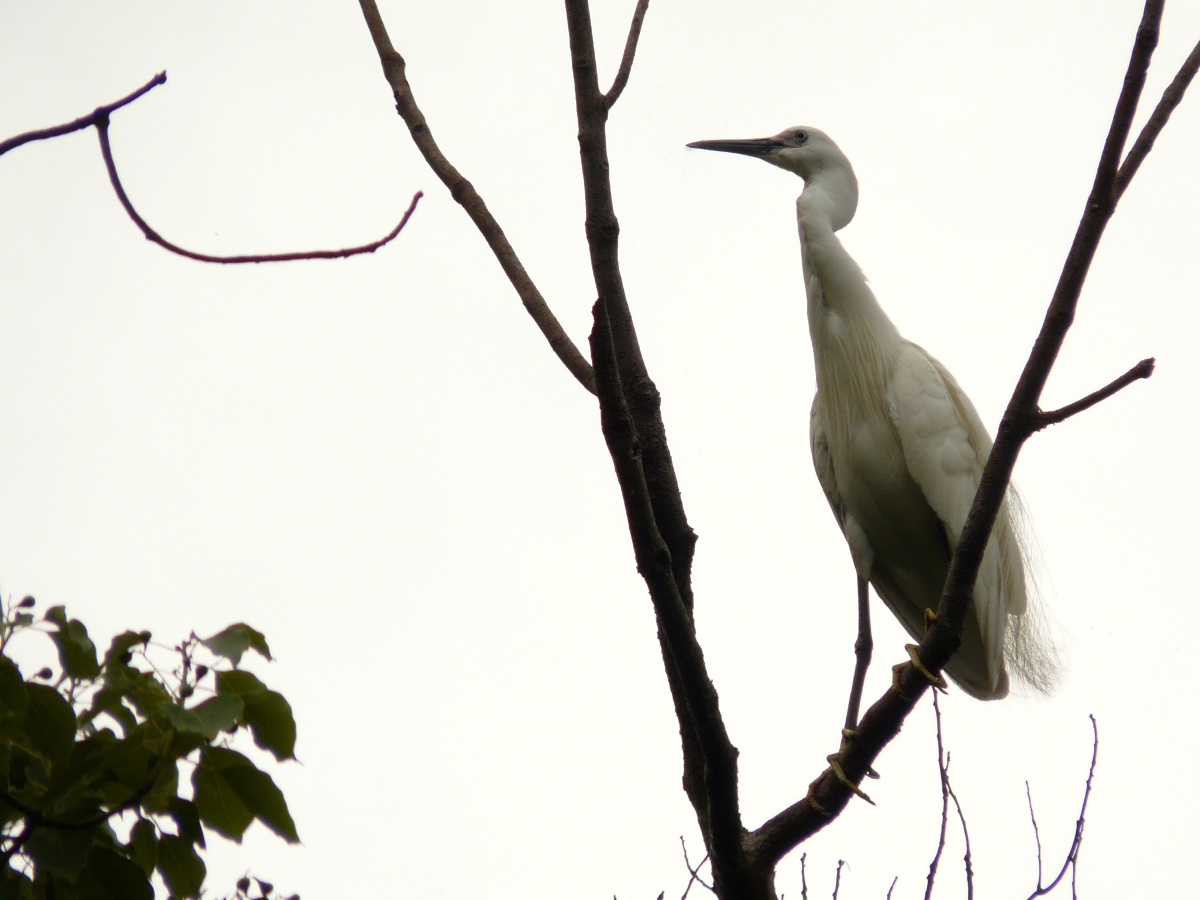
Maginificent looking bird.
 Little Egret taking off!
 This is the latest stage of the caterpillar and the parasitic eggs.
Yesterday's work was more or less the same as the past few days: observing and trying to catch barbets. We spent almost the entire day trying to catch the other barbet, but it was unsuccessful. Observing the other barbet pair was fairly simple as they are in the incubation stage so the parents stayed inside the cavity for an extended amount of time and poked their heads out every ten minutes or so. The cavity allows only one parent inside at one time, so the two alternate every hour or so.
Above is the male bird. He can be identified by the two spots on the upper left side of his face (one dark spot just in front of its eyes and one spot on his beak). The bottom is the female and she does not have the spots.While observing the barbets, a beautiful male Oriental Magpie Robin (Copsychus saularis) flew just a few meters away from me! Definitely a worthy moment to remember.
Even though it's named a "robin", it belongs in the Family Muscicapidae (not the thrush family Turdidae).
While trying to catch the other barbets. A Little Egret flew onto the tree where the barbet nest is in.
Little Egret preening.Maginificent looking bird.
Little Egret taking off!This is the latest stage of the caterpillar and the parasitic eggs.Today I will be staying home and trying to get started on my research paper. So I doubt I will have anything interesting to post about today. Laters.
.
.
Subscribe to:
Posts (Atom)
