Showing posts with label moorhen. Show all posts

2009/08/19

Photos of the day & Working decisions

For the entire day, I stayed inside the office trying to research the suitable scientific journals to submit my just-started research paper to and compiling data. I came to learn all the nitty-gritties when it comes to choosing the journal(s) that you want to submit your paper(s) to, such as the impact factor (IF) of the journal, the amount of time it takes for the journal to reply your submission, the scholars in the editorial board, and so forth. I wish they taught us all this stuff in our undergraduate courses, because this seemed pretty important to me at the moment.

Anyways, I narrowed my choices to:
- The Auk
- Ibis
- Condor
- The Wilson Journal of Ornithology
- Journal of Field Ornithology
- and a few more others

And my supervisor will help me looking into the other important factors that will determine the journal(s) to hand our papers in and the writing style and format of my just-started paper.

Anyways, knowing beforehand that I will be working indoors all day today, I actually came to work a bit early today to photograph the views of the botanical garden.

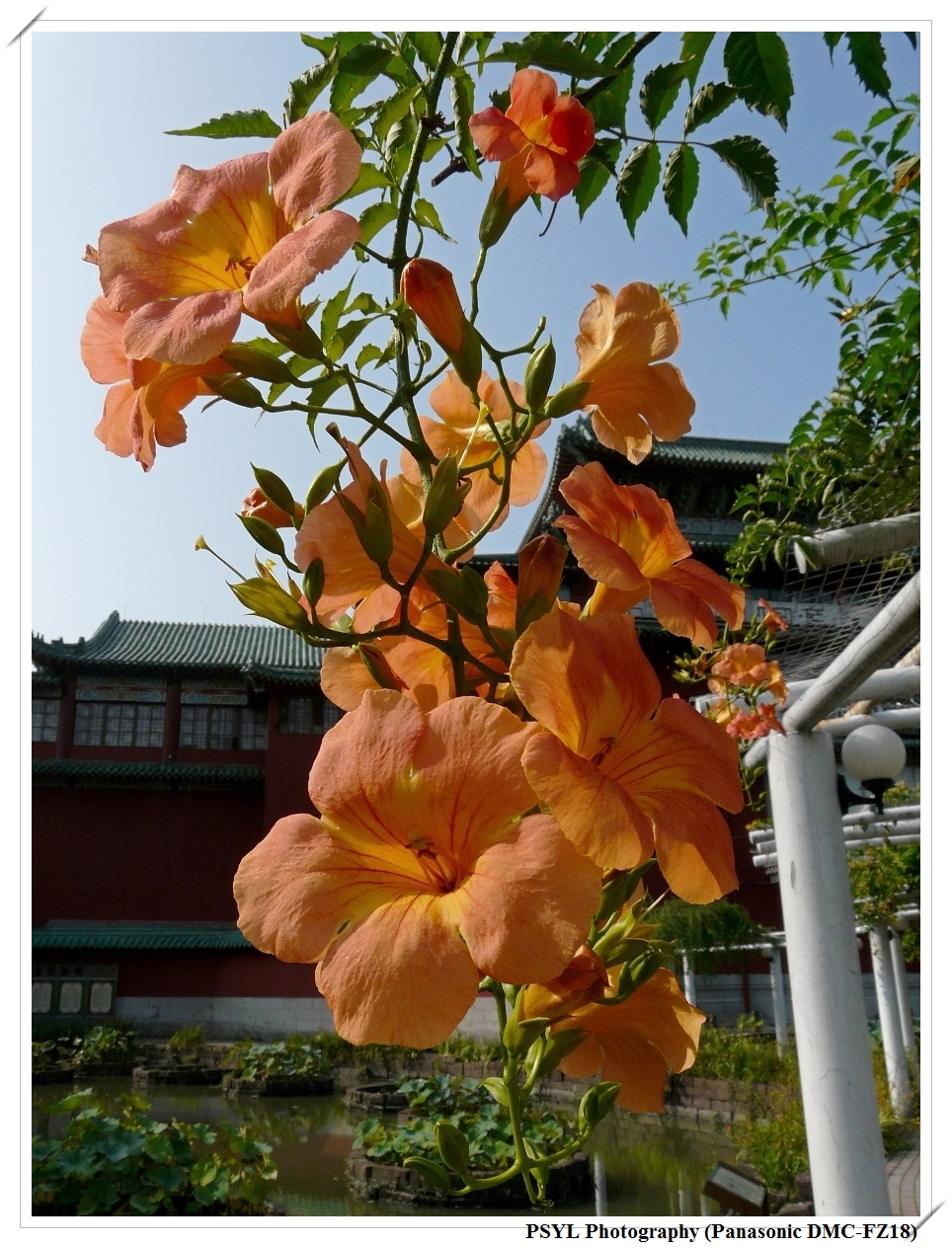
Water Lily still in blossom

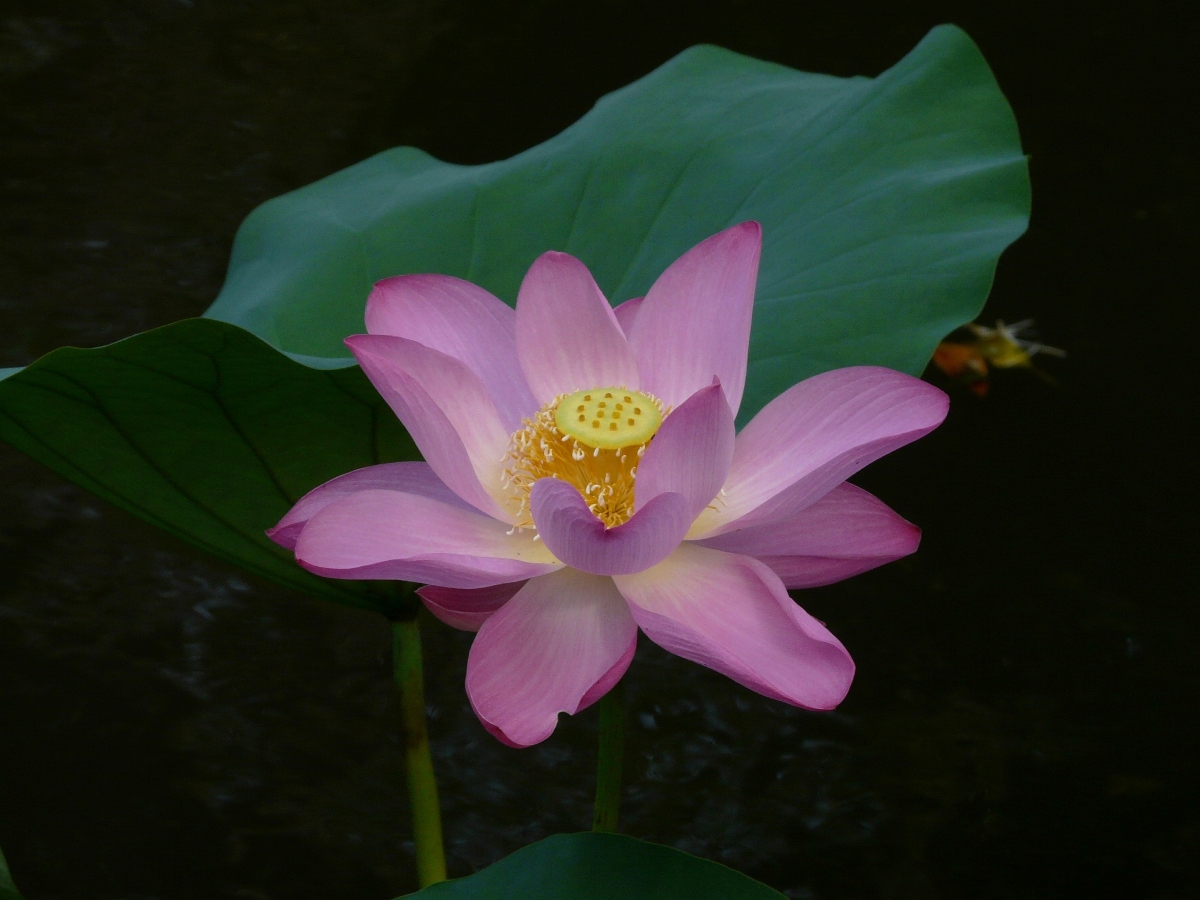
Busy bee and lovely lotus

P1170215
Beautiful flowers
Align Center
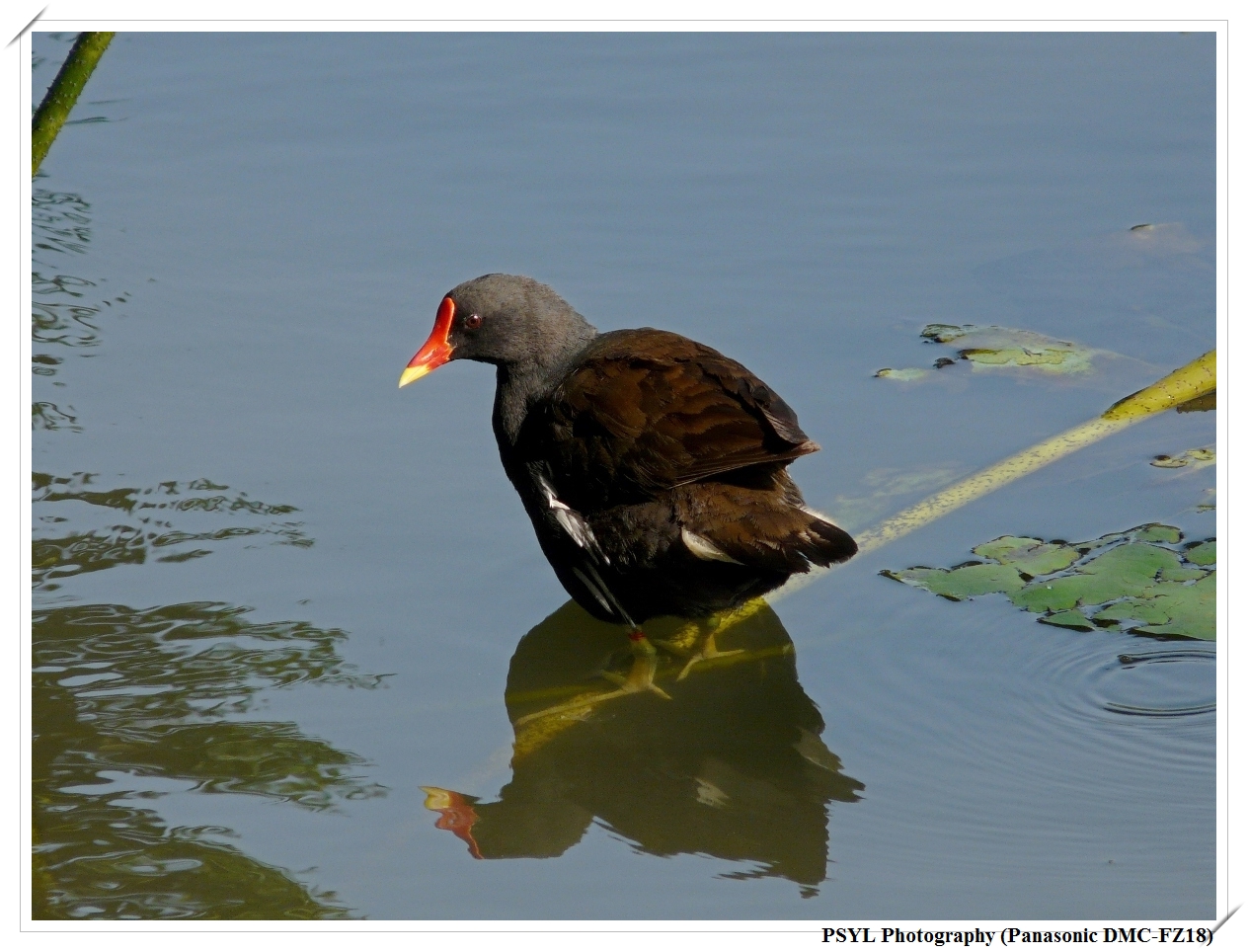
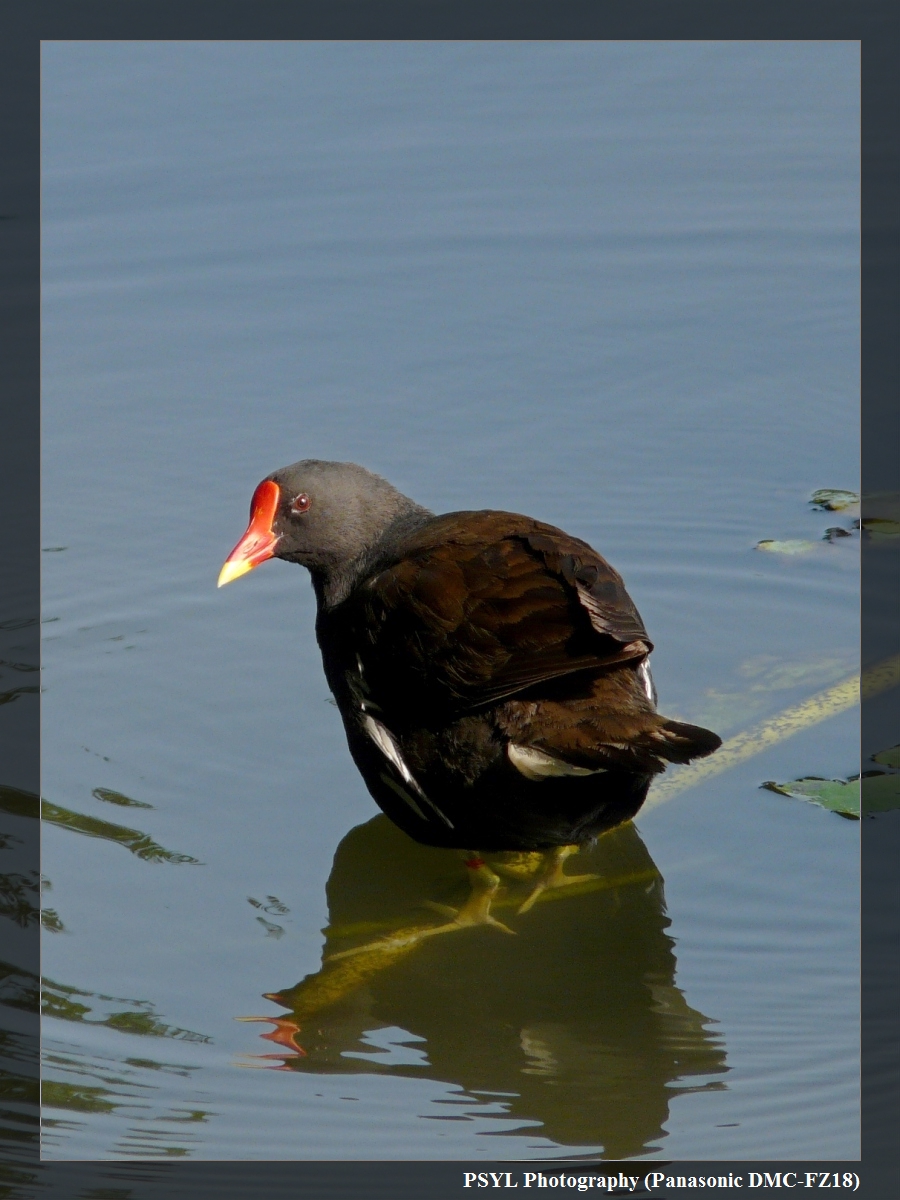
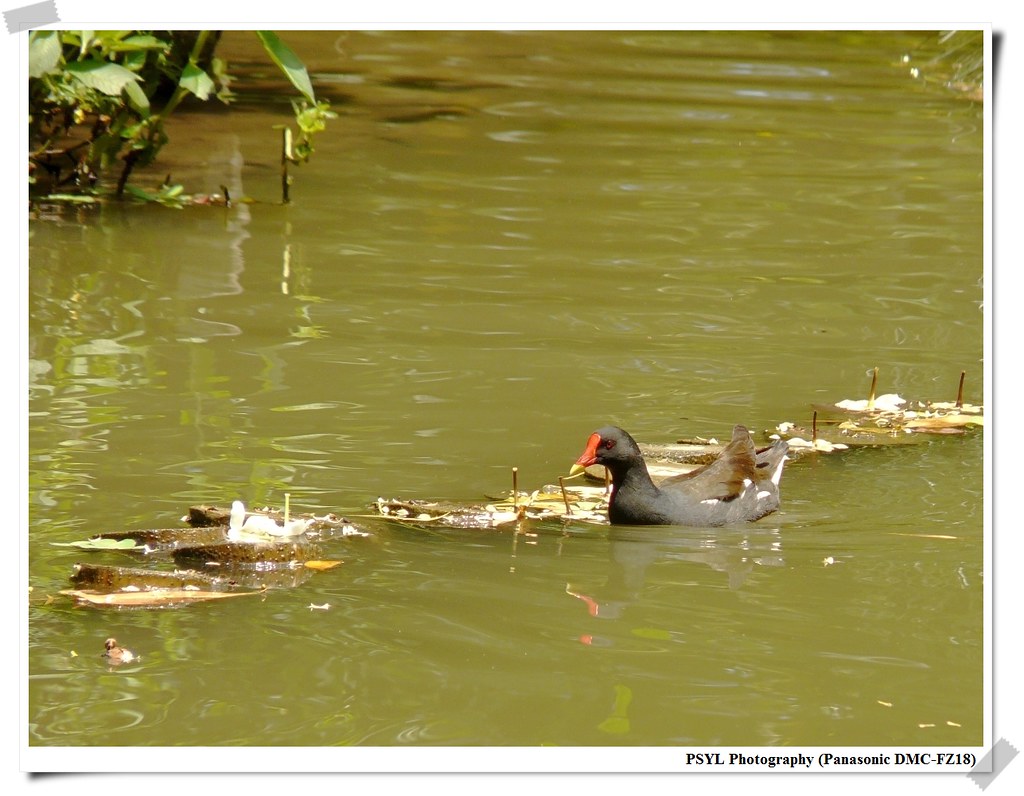
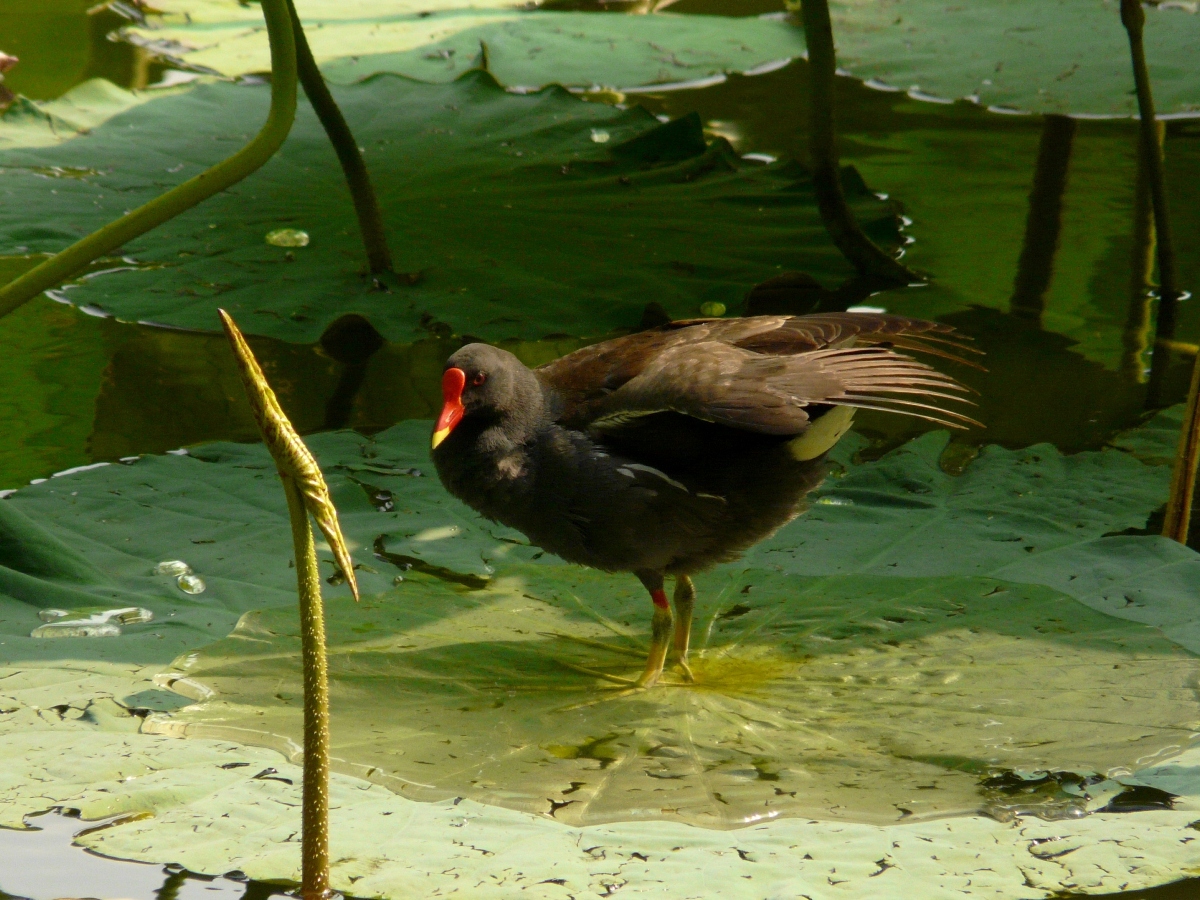
Common Moorhen (Gallinula chloropus) - 紅冠水雞
Common Moorhen

Common Moorhen (Gallinula chloropus) - 紅冠水雞
Common Moorhen giving me the stare
.

2009/08/04

Common Moorhen - Parent and child

Before arriving at the office for another indoor workday of data analysis, I watched this pair of adult and chick Common Moorhen in TBG.


They were just standing on the reed and not doing much - no danger, no caution, I guess. A bird's life is pretty wonderful.

PS - I do not think I have mentioned this before, but our barbet research lab has a blog (in Chinese) (http://blog.xuite.net/twbird/blog) that reached 1000 views today! A pretty incredible feat, I must admit. Go team!
.

2009/07/16

Full day: Barbets, Japaluras, Moorhen, Kingfisher, and Bulbul & Rat-trapping

Today I was assigned to a nest tree where the adult barbets are in the stages of copulation, egg-laying, and incubation. The adults of this particular nest tree are in quite a strange situation because both of them has their own individual family before this clutch. However, for some unknown reason, their significant others disappeared and resulted in these two pairing up.

The female barbet incubating her egg(s). There are currently two eggs in this nest. The average number is 3, so we will be checking tomorrow to see if another egg has been laid.

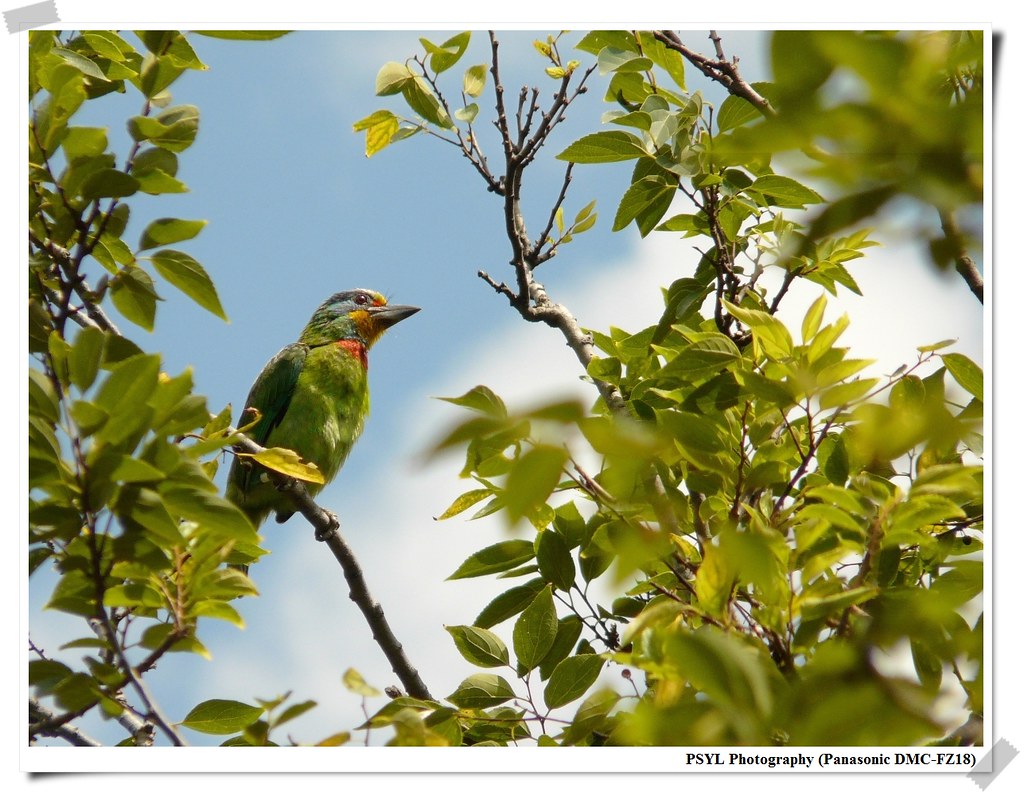
Muller's Barbet (Megalaima nuchalis) - 五色鳥
Mother barbet taking a break from incubating inside the hot nest cavity.

As usual, beautiful images can be captured all around me if you're just patient and observant enough.


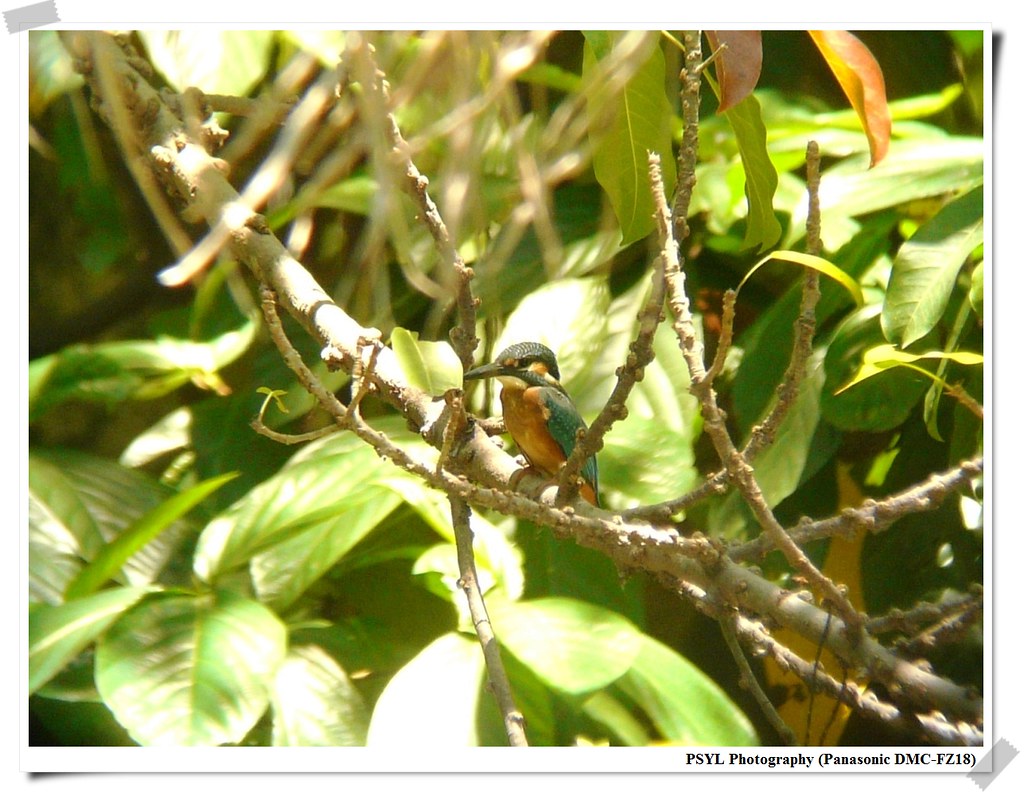
Common Kingfisher (Alcedo atthis) - 翠鳥
Common Kingfisher. I love Kingfishers!

There has been several cases in the botanical garden where strange things happen to nesting birds, including the nests, eggs, nestlings, and even the adults themselves. One primary suspect is humans, particulary bird-selling merchants. However, there has been no evidences to support this speculation. Other suspects include rodents (rats and squirrels), stray cats, lizards, and snakes.

Working on one suspect at a time, the research assistants and I decided to do a simple and short rodent survey in the botanical garden to see if there are presence of rats in the garden (because we already know the presence of squirrels and their impacts).

We set up 20 trapping cages baited with sweet yams covered with peanut butter along the boardwalks of TBG. We will be checking the cages tomorrow to see if there are any catches. I am quite excited to see the results tomorrow since I guessed 7 out of 20 will have something in it.

While placing the cages (which caused quite a curious crowd around us), the chief security guard informed us of another injured bird found in the garden. This time it is a Black Bulbul with an injured belly. We put some disinfectants on it and gave it some food for the night. We'll be contact the bird rescue society tomorrow regarding our newest find.

2009/07/07

Strange living places

Yesterday, a volunteer observer told me about a Black Drongo (Dicrurus macrocercus) nest at a metro station near where I live. So in the morning, I rode the train backwards one station to see it for myself. The nesting bird was indeed there, right across from the metro tracks. What a strange place to live.

Black Drongo (Dicrurus macrocercus) in the brooding stage. I love its tail!

Before arriving work early, I hang around the Lotus Pond in TBG and took some pretty nice photos.

Beautiful Water Lily

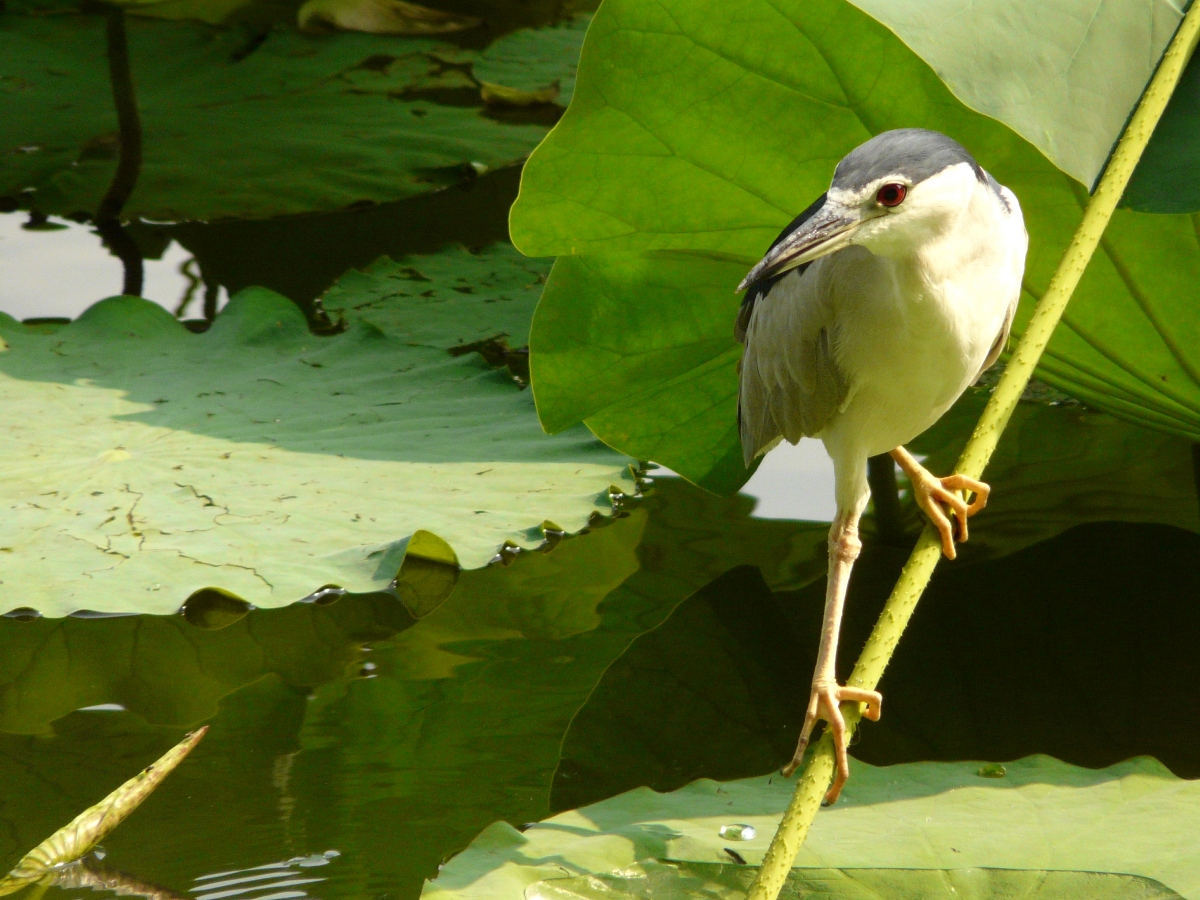
Black-crowned Night Heron (Nycticorax nycticorax) - 夜鷺
Black-crowned Night Heron fighting for bread crumbs that tourists are throwing to feed the fishes in the pond.

Common Moorhen (Gallinula chloropus) - 紅冠水雞
Common Moorhen had to join in on the action as well.

Afterwards, I headed back to office to start working on my paper report. Most of my morning consisted of analyzing and describing photos of nestling developments. During lunchtime, I came outside again to check out a new nest site that my co-workers have been monitoring for a while now. The nest site is located adjacent from the TBG, so it is not actually inside the garden. Nevertheless, the data will be worth having since this is a new nest tree with a new pair so that we can have a complete set of data of this particular nest.

While I was there, the male adult came close to the female and mounted her! What horny birds, according to my colleagues, because this pair has sex quite often.

Since I was just visiting I did not take part of the endoscopic observation. So I can finally photograph and show you how we do it.

The above photo is the nest entrance. As you can see, the nest is again inside a Camphor tree on a sidewalk of a busy street (second strange living places of the day). The below left photo shows one person handling the extended pole with the endoscopic equipments attached to it while another has a small screen attached to the camera and takes photographs of the latest nest status [the photograph showed 3 eggs already]. So why copulating again? The below right phot shows the camera (and LCD lights) extending into the nest cavity to record the status. Isn't it fun? This nest is relatively close to the ground so using the pole is enough. But imagine a nest at least 10 meters above the ground. That's when it gets dangerous and tricky.

Still the same...

2009/06/17

Another beautiful blue sky day in Taipei

I'm quite tired and sleepy at the moment, so I will keep this post nice and short.

Today's weather in Taipei was wonderful! A rare day with clear blue skies. Unfortunately, the tropical sunshine penetrated directly through the atmosphere and it was quite hot today (and painful if you stand underneath the sunshine for too long).

In the morning, I helped volunteer observers with identifying the barbet pair in this locaton. Turned out there is one fledgling left in this nest (there used to be two).

While helping the volunteers with observing the barbets, a couple of other birds had my attention as well, such as Common Moorhen (Gallinula chloropus), Spotted-necked Dove, and Black-crowned Night Heron (Nycticorax nycticorax).

After lunch, another TV program came to the botanical garden to videotape some footages. After helping them getting what they want, we went over to some nests to see the latest status. While walking, I saw another beautiful Black-crowned Night Heron.


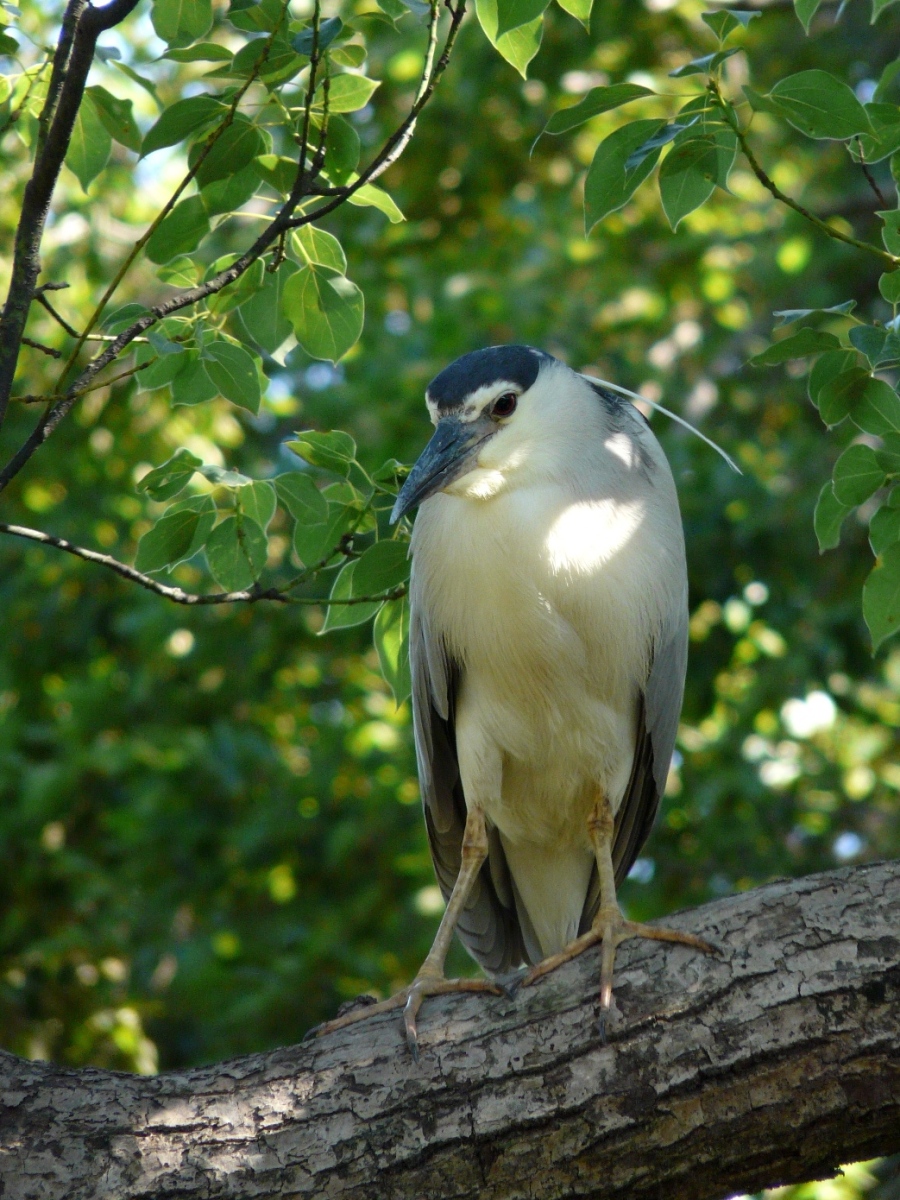
Black-crowned Night Heron (Nycticorax nycticorax) - 夜鷺

Afterwards, we accidentally found two more barbet fledglings that we aren't sure who the parents are. We still caught them and brought them back to the lab for the standard procedures. After we finished, we released them (and the subadult found yesterday) and observed them until it got dark.

PS - I finally had the chance to release the Red-banded Snake caught at the beginning of the month. Even though the snake was found in the botanical garden, it is a species living along side streams in the mountains; therefore, we suspect it was abandoned in a city garden. Fortunately, there is a large stream near where I live (which is at the base of the mountain) so I released it today after work. Hope it will like its new home.

By the way, the PTS TV station that had being "bothering" us for quite a while now will finally air the show (about the Muller's Barbets in the TBG) tomorrow afternoon at 6 pm. I suspect everyone (in the office) will tune in to watch it.

That's all for now. Time for bed.
.

2009/05/18

First day volunteering at Taipei Botanical Garden (TBG)

Well, I reported for (volunteer) work at Taipei Botanical Garden (TBG) today. The garden is owned by the Forestry Bureau of Taiwan's Council of Agriculture, and it is more like a rboretum than just a garden. Anyways, I will be working under the Forest Conservation Division, and the research topic that I will be assisting is the observations of the nesting behaviours of Muller's Barbet (Megalaima nuchalis).

I will get to the subject of this (and the many to come) post. But first, here're some two bird species that are easily observed in the garden.

Black-crowned Night Heron (Nycticorax nycticorax). Even though this animal is found worldwide, even back in Vancouver, this bird was quite active in the morning, scratching its head, preening the feathers, and moving around. Much more active (and closer) than the secretive ones in Canada.

Common Moorhen (Gallinula chloropus). Another worldwide species and found all over Taiwan.

Now, onto the star of today's post - Muller's Barbet! M. nuchalis is the only species in the family Capitonidae in Taiwan, and it is an endemic species here. They are found in low- to mid-elevations, and they are primary cavity-nesting birds, i.e. they excavate their own nest cavities. Only one study done in 1990 focused on this particular species, therefore, the information and results obtained from this research is very valuable. The objective of this study is to record behaviours during the mating season, as well as the relationship between nests and host trees. Besides the adminstrative stuff to get over with when I arrived, I also spent a good chunk of today's time practicing and observing one particular pair of barbets incubating their eggs.

Most of the times, we looked up to where the nest hole is and see if there are any movements. The gender difference between the father and mother is quite difficult to tell since they are not sexual dimorphic. The only known difference (known when copulation positions are recorded and studied carefully) is that the male has a shiny black beak, while the lower-half of the female's beak is duller and grayer.
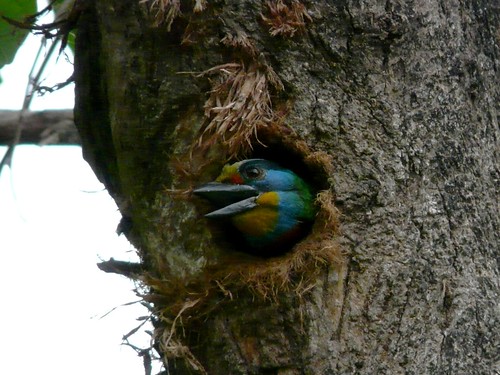
Muller's Barbet (Megalaima nuchalis) - 五色鳥
Male, I think.

Most of the times, we just stared up at the circular empty hole. Things get excited when the parent bird poked its head out of the hole and wondered when its substitute is going to arrive. I only got shots of them poking their head out of the hole. Hopefully, I will get some shots of the birds leaving and entering the nest, as well as the parent bird feeding the fledglings when they hatch.
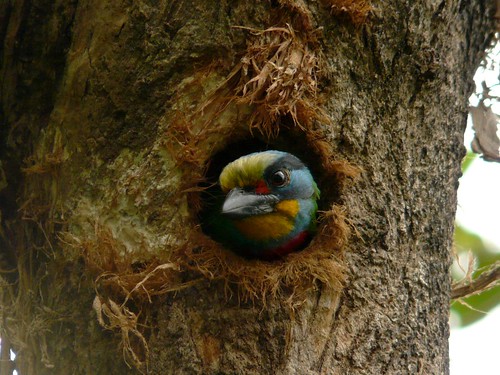
Muller's Barbet (Megalaima nuchalis) - 五色鳥
Female, I think. In Chinese, they are translated literally as the "Five-colored Barbet" as they are very colorful.

After work, a co-worker wanted to collect some nests of the Japanese White-eye (since he believe the nests are long gone and abandoned. In the first nest, we saw one dead fledgling. We did not cause its death as it was already dry and dead for a while, which was strange since my friend saw the parent bird feeding it during a few days ago.

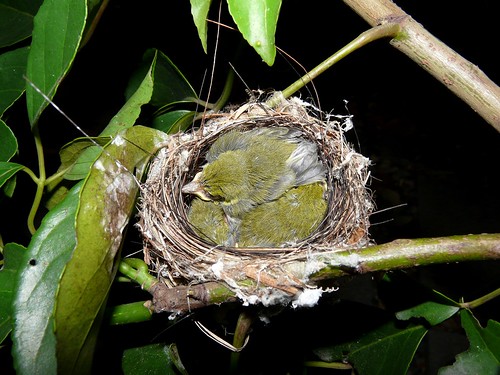
On the second nest site, we "accidently" removed a nest still holding three fledglings. My friend says he will take them and rear them until they are old enough to fly and hunt for food.

Japanese White-eye Fledglings (Zosterops japonicus) - 綠繡眼雛鳥

What a day! Hope tomorrow will be even better!
.
Related Posts Plugin for WordPress, Blogger...