Showing posts with label bulbul. Show all posts

2009/11/02

Beautiful day at Sheding Nature Park (2009-10-16)

After the exciting encounter with the Beauty Snake, we rode our motor scooters to the Sheding Nature Park close to the research center.

That morning, the park was BEAUTIFUL! The beautiful blue sky with a large grassy field, and a comfortable warming sky. Life did not get better than that!
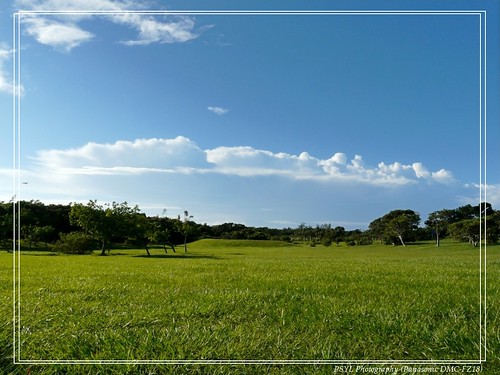
Sheding Nature Park - Beauitful Morning
Sheding Nature Park

Since we arrived extra early without all the tourists yet, there were several egrets still wandering around freely on the field.

In southern Taiwan, one of the birds you must see is the Styan's Bulbul (a.k.a. Taiwan Bulbul) (Pycnonotus taivanus). P. taivanus is endemic to southern and eastern Taiwan, and even though it may looks similar to the Light-vented Bulbul that I posted oh-so many times before from northern Taiwan, the distinct feature of Styan's Bulbul is its black crown (rather than white in Light-vented Bulbul).
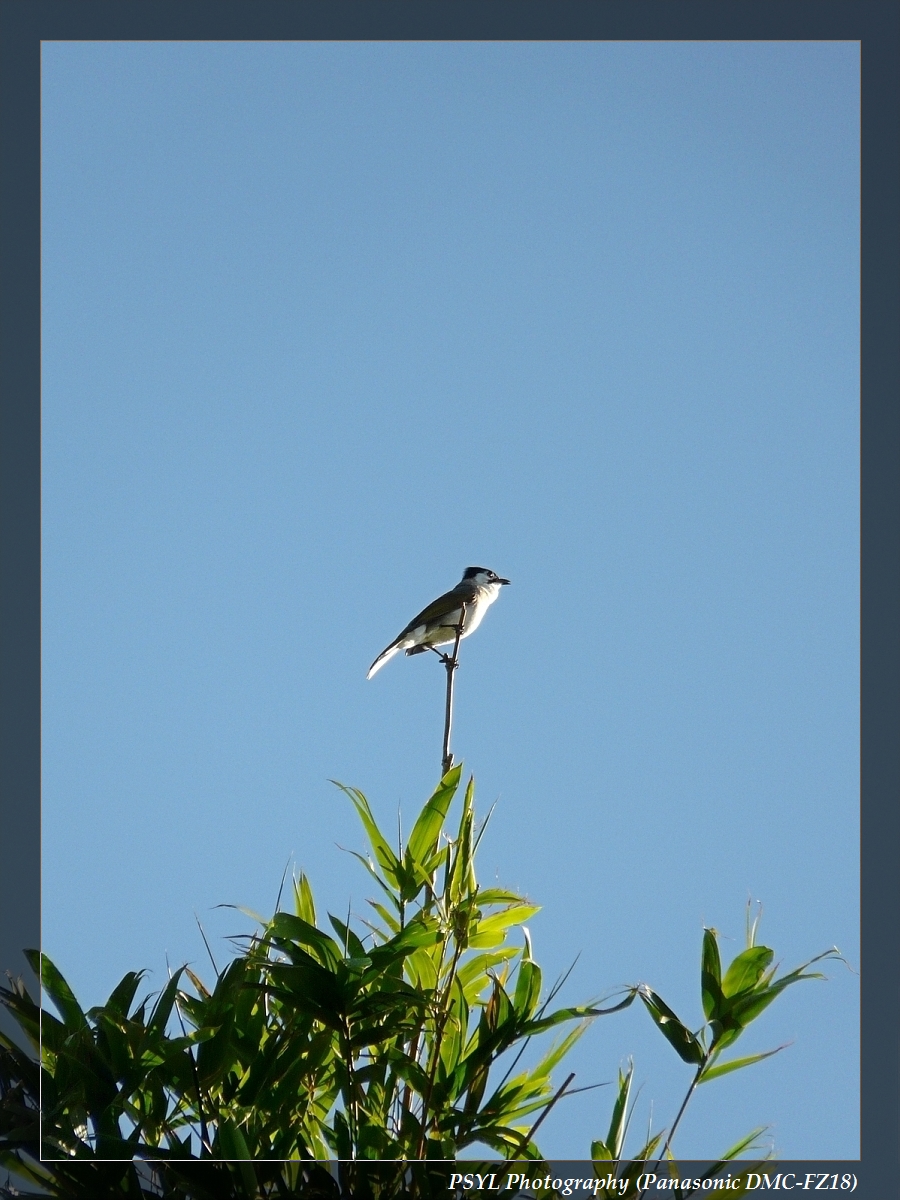
Styan's Bulbul/Taiwan Bulbul (Pycnonotus taivanus) - 烏頭翁
Styan's Bulbul/Taiwan Bulbul (Pycnonotus taivanus)

Even though Styan's Bulbul and Light-vented Bulbul share a common ancestor, Styan's Bulbul is proposed to arrived earlier in Taiwan Island than Light-vented Bulbul from mainland China. And where the two species overlap, hybridization may take place. Lately, due to the religious releases of caged birds (i.e. Light-vented Bulbul) not in their natural distributions, the purity of the genetics of Styan's Bulbul is affected and causing concern among conservationists.
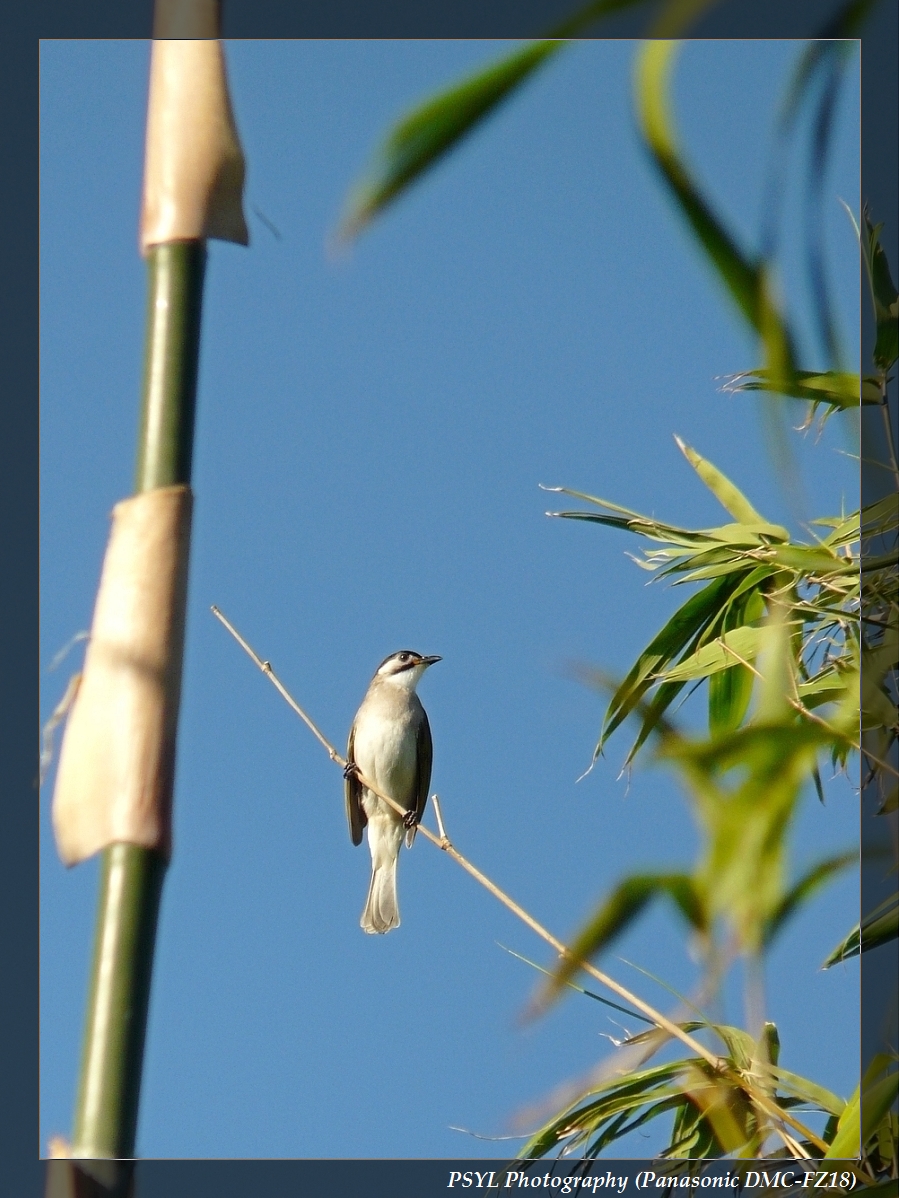
Styan's Bulbul/Taiwan Bulbul (Pycnonotus taivanus) - 烏頭翁
Oh, what to do, you pretty bird?

Anyways, after researching in the park, we headed back to the research center to get some personal belongings and then went into town for lunch.

Gorgeous Southern Taiwan weather
Outside the center, we took several beautiful shots of Hengchun Township. It's almost just like last year on Lanyu (Orchid Island)! I love this kind of weather!!!

.

2009/08/05

Outdoor work, yay!

After not doing any kind of field work in awhile, I am beginning to miss the greenaries, the sun, and the work-out of being in a natural sauna. Our research lab also has a project studying the relationship between noise and bird abundance, so today I woke up extra early to tag along the experiment inside TBG. I am not a part of this project, but I just enjoy being outdoors, especially in the morning when there're fewer people and more urban wildlife to be seen.

My co-workers working hard recording the noise levels and observing birds.

Meanwhile, I was just wondering around photographing anything I saw interesting.

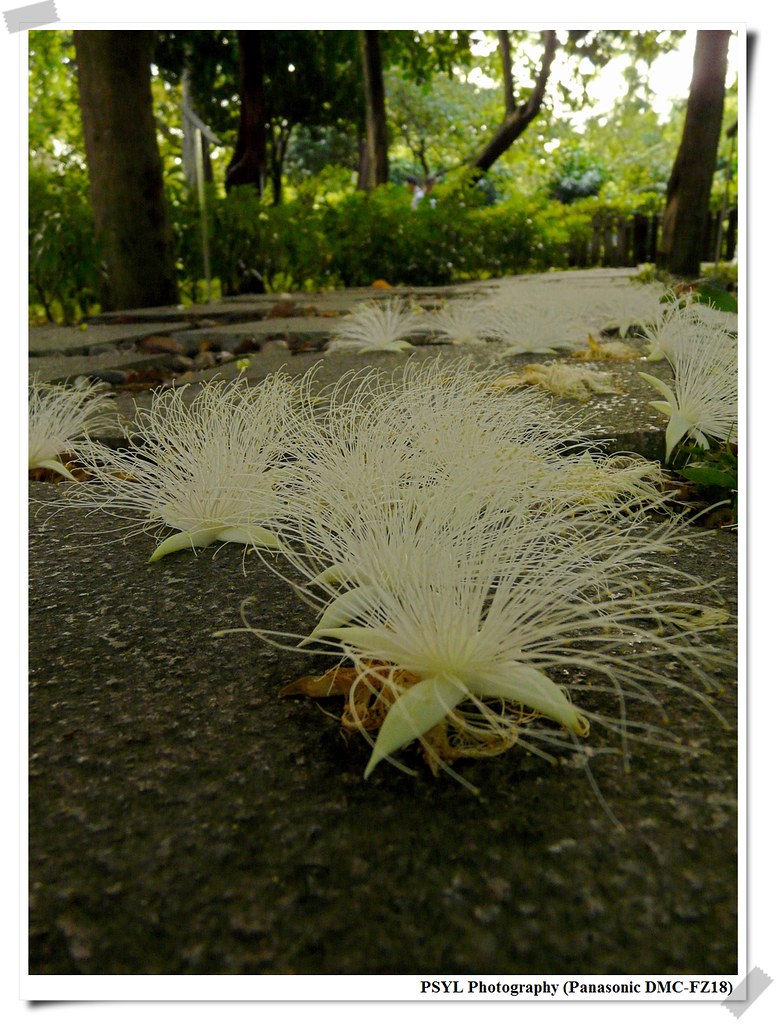
Delicate Barringtonia racemosa in TBG
Barringtonia racemosa flowers on the ground.

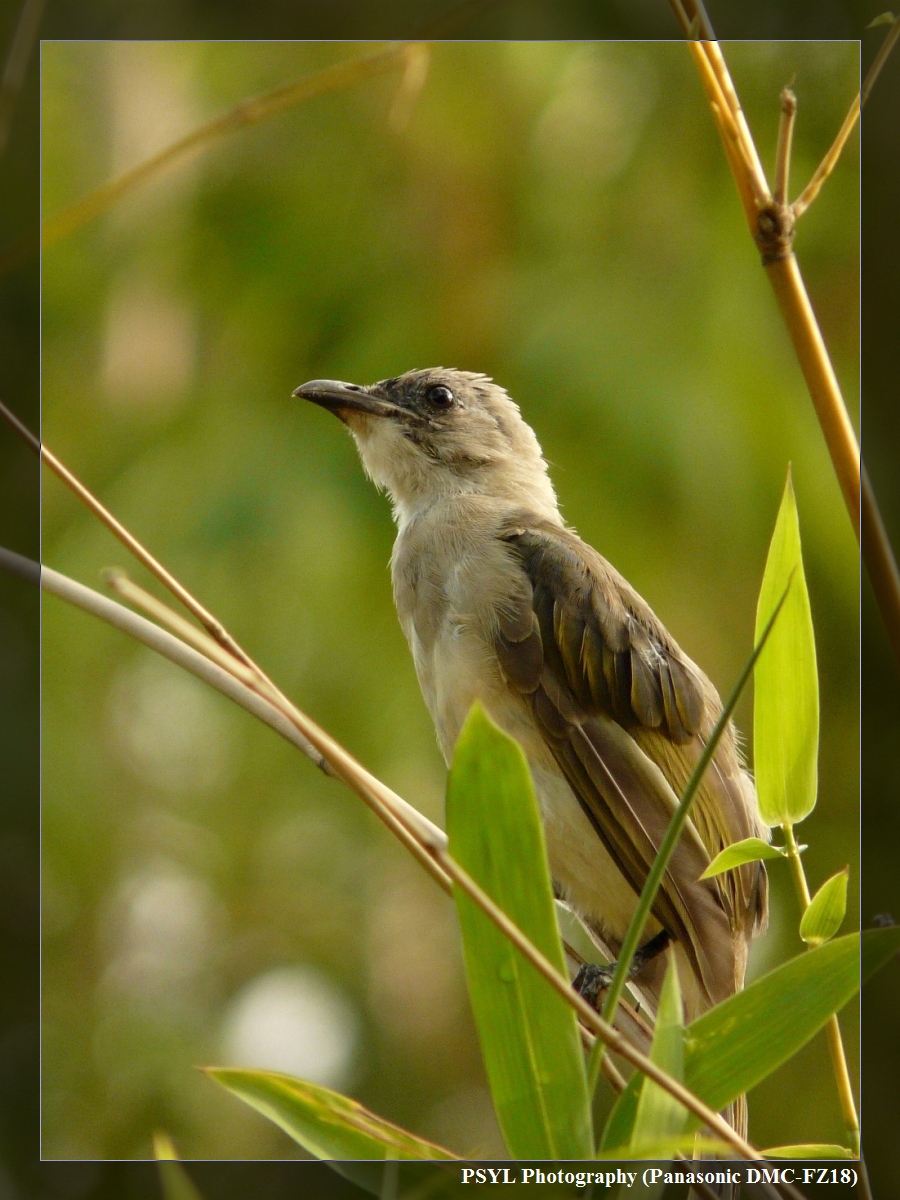
Align CenterChinese Bulbul (Pycnonotus sinensis) - 白頭翁
A juvenile Chinese Bulbul still lacking the white crown.

An interesting-lookinh Trema orientalis (L.) Blume tree. This species is quite useful in that the trunk can be built into oars and canoes, or made into ropes, and the leaves can become food for herbivores.

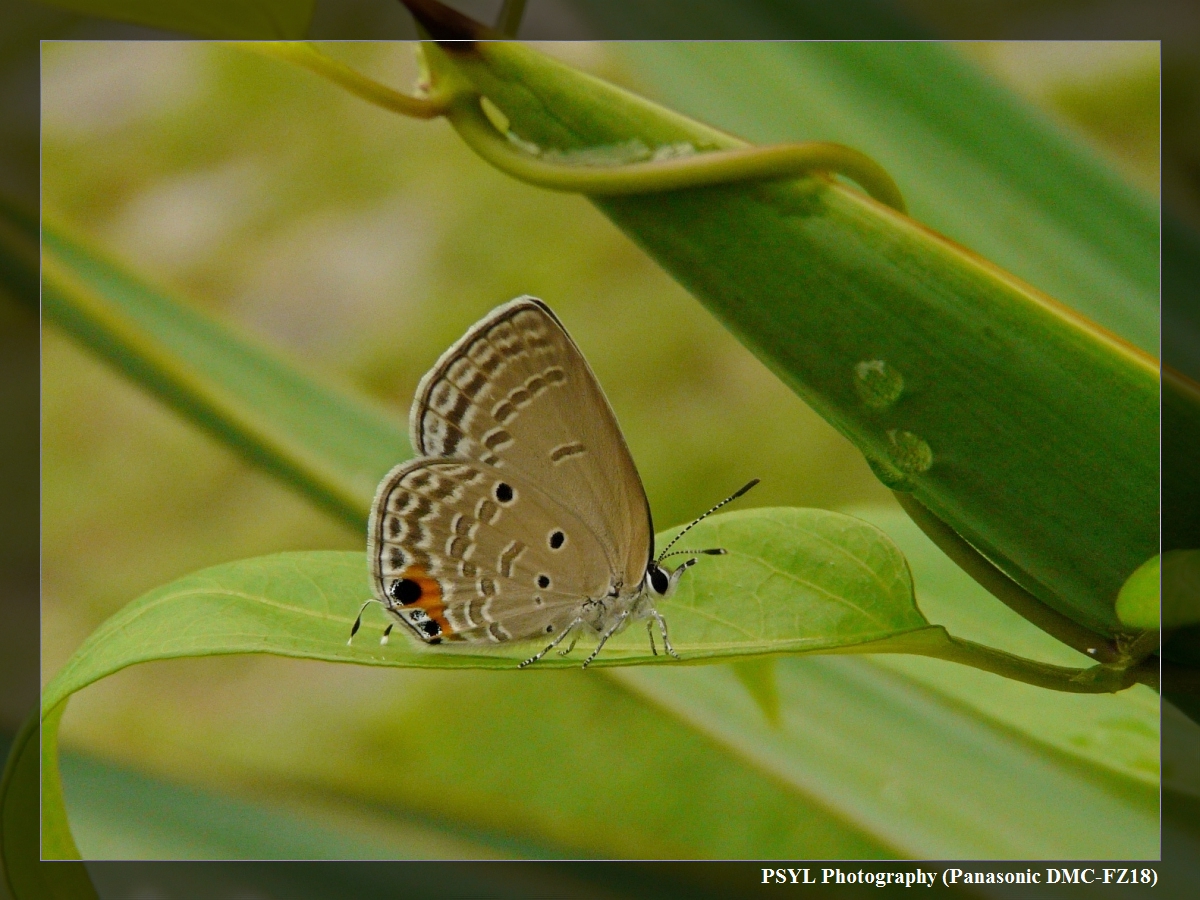
Chilades pandava peripatria - 東陞蘇鐵小灰蝶
A beautiful Chilades pandava peripatria

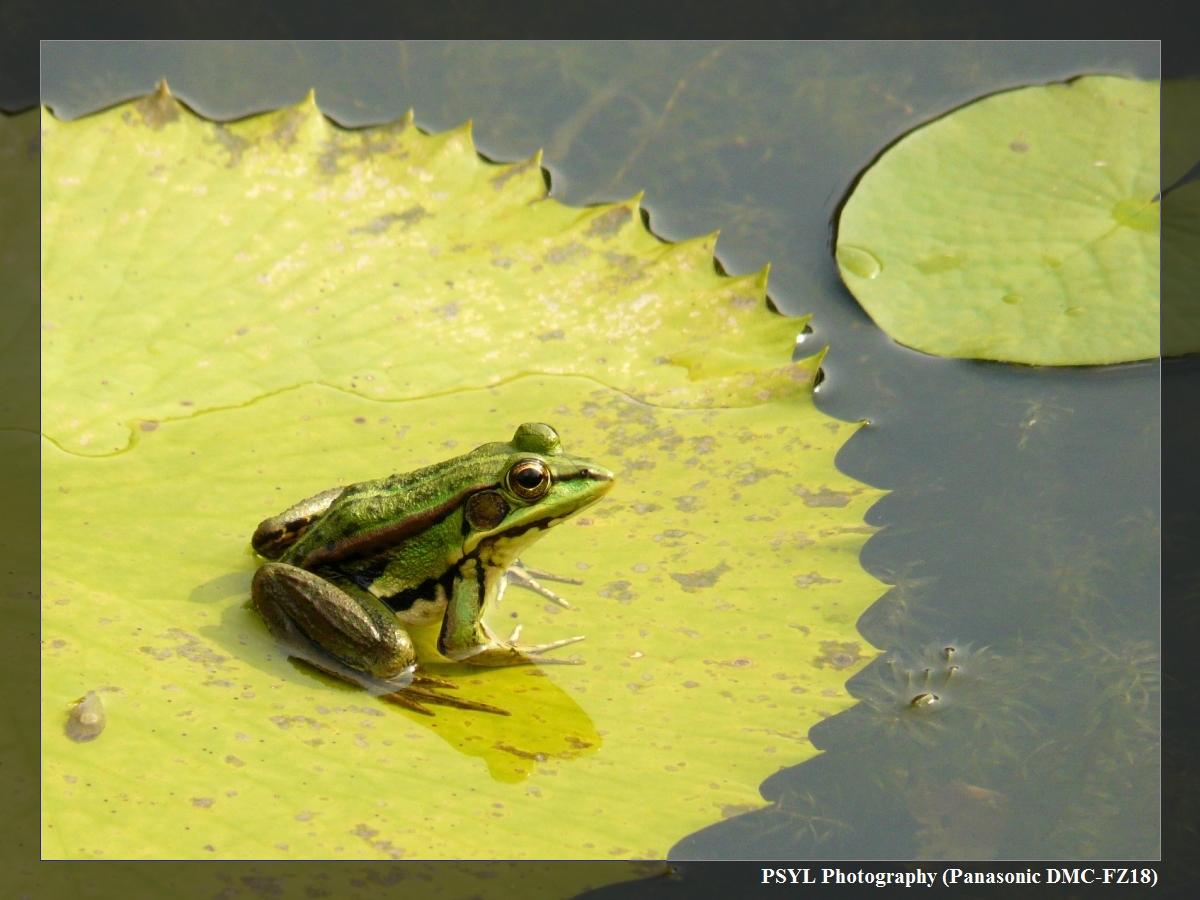
Green Pond Frog (Rana plancyi) - 金線蛙
Green Pond Frog - a common but suitable name.

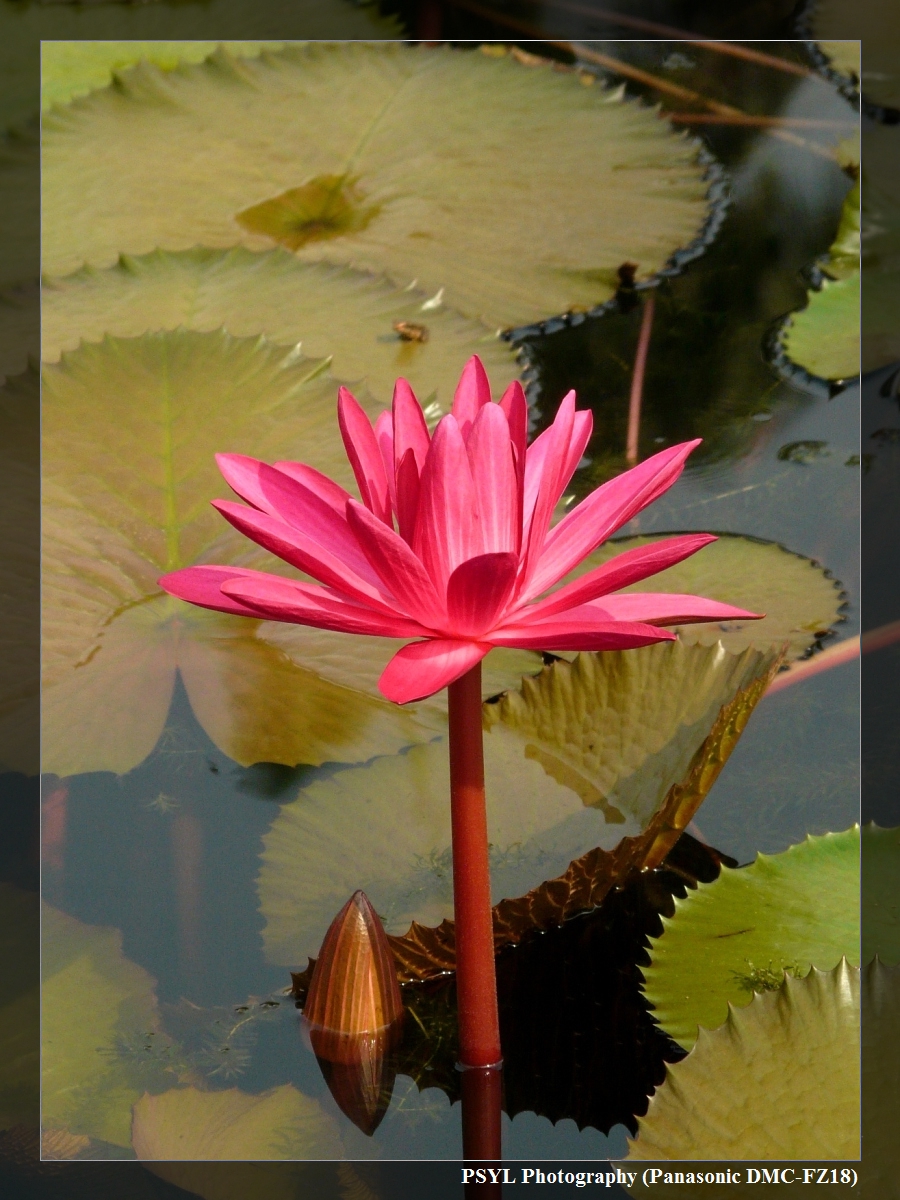
Blossoming Water Lilly
Water Lily

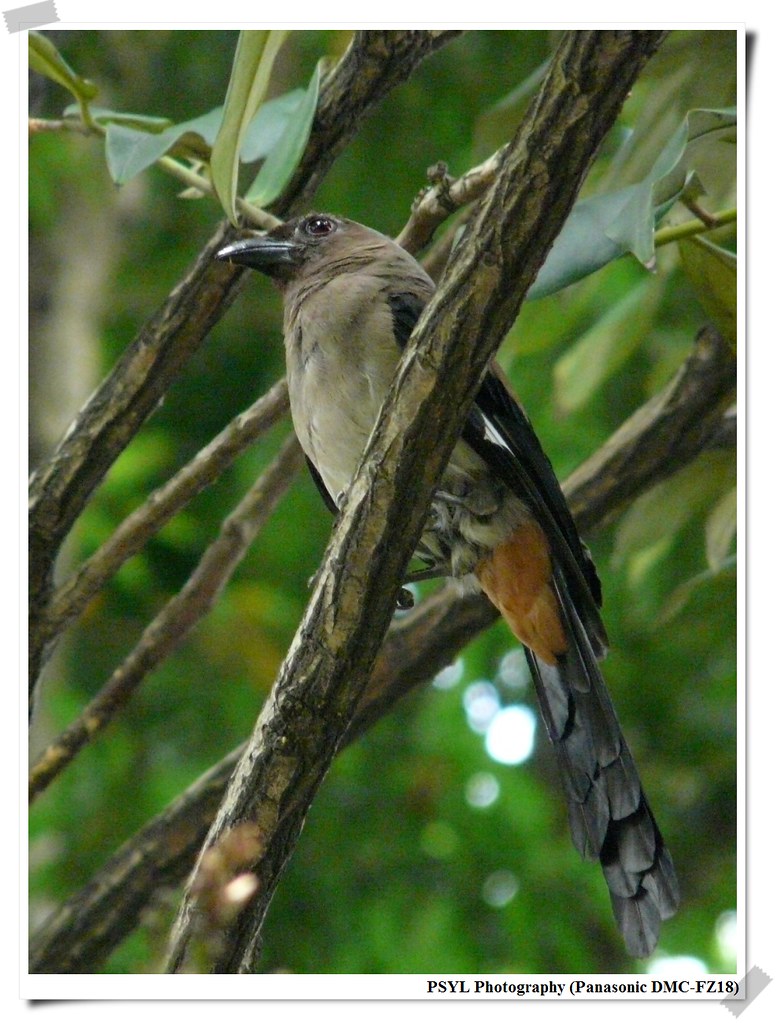
Gray Treepie is a common bird in TBG. But its behaviour of hiding underneath canopies makes them very difficult to photograph (I remember my first time seeing them almost three months ago). Today, a young Treepie caught something and flew right above us to enjoy its meal.

Gray Treepie (Dendrocitta formosae formosae) enjoying an insect larvae or something.

Gray Treepie (Dendrocitta formosae) - 樹鵲Align CenterHere's a site with some information on this interesting Corvids.

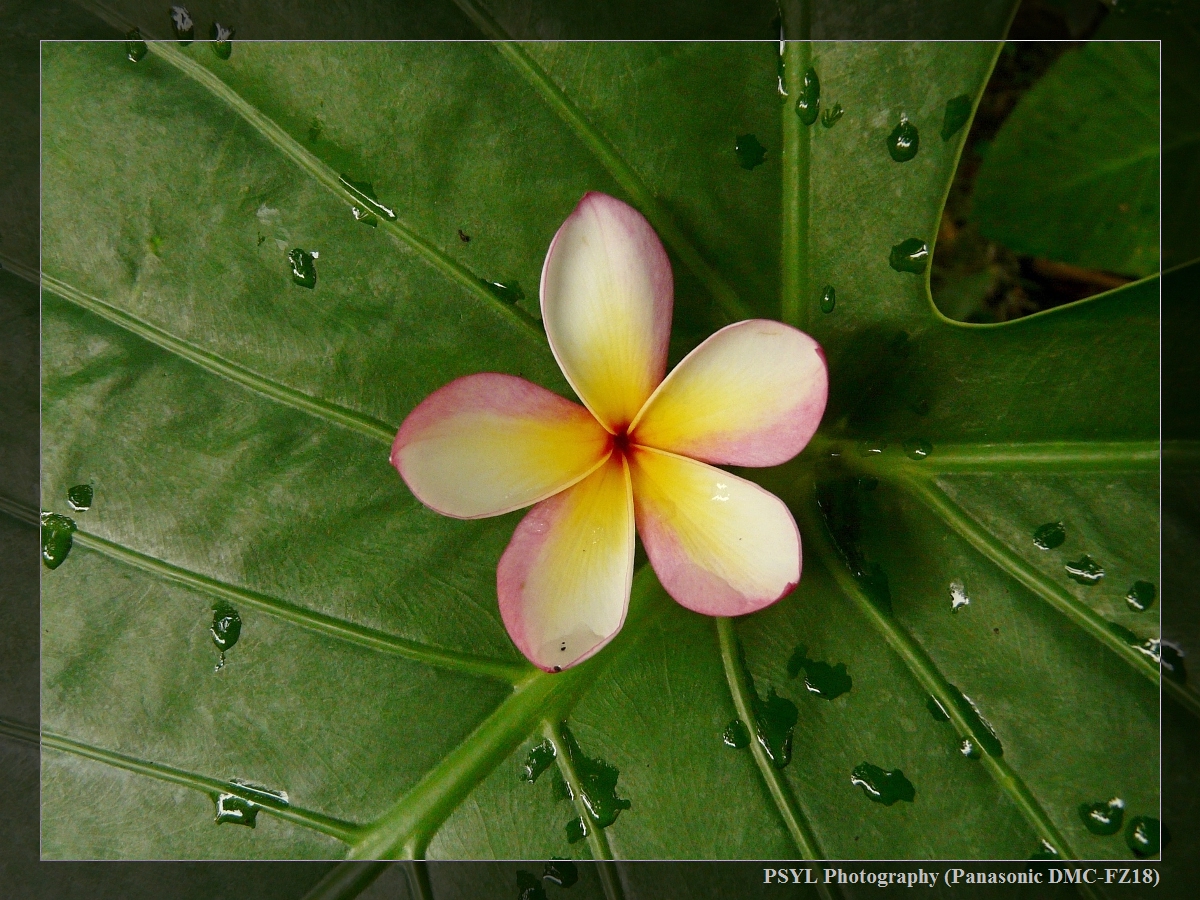
Beautiful Plumeria rubra on green
Colorful Plumeria rubra flower lying on Giant Elephant's Ear (Colocasia gigantea)

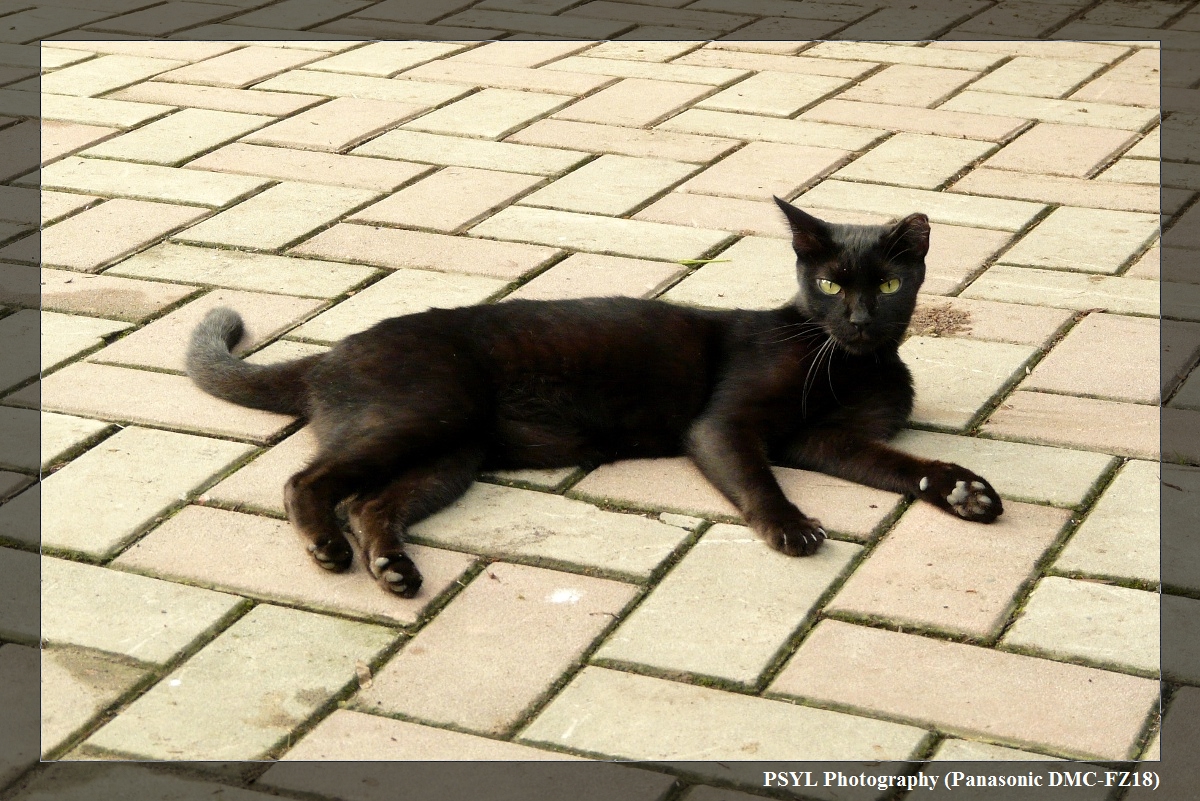
As the research came to an end, an all-black feline walked right in front of me. At first I thought it was a panther. Given it a second look, I realized it is a handsome stray black cat.


Handsome Black Cat in TBG
Black cat or not, I think today was a pretty lucky day for me.
.
2009/07/16

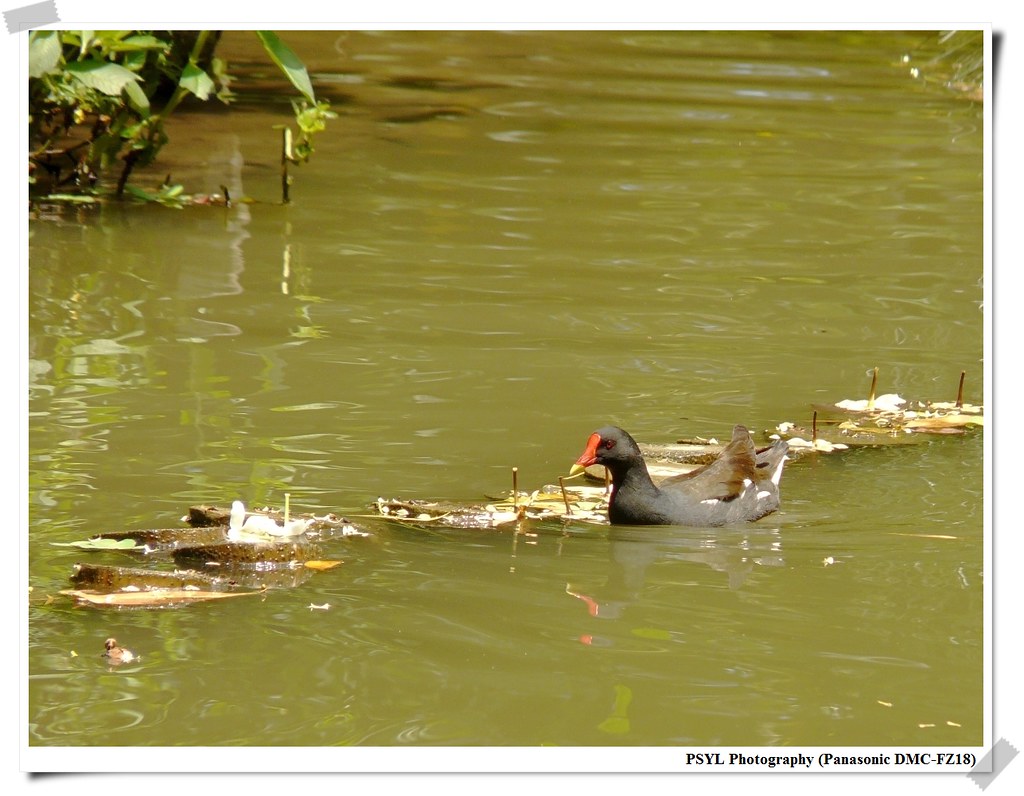
Full day: Barbets, Japaluras, Moorhen, Kingfisher, and Bulbul & Rat-trapping

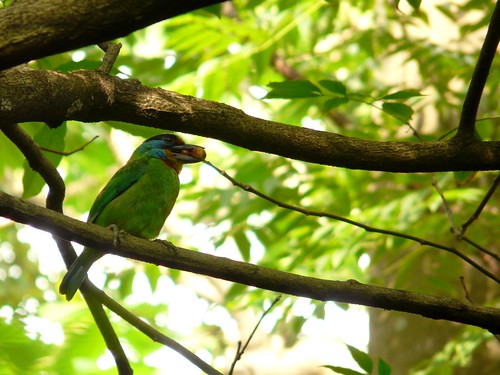
Today I was assigned to a nest tree where the adult barbets are in the stages of copulation, egg-laying, and incubation. The adults of this particular nest tree are in quite a strange situation because both of them has their own individual family before this clutch. However, for some unknown reason, their significant others disappeared and resulted in these two pairing up.
The female barbet incubating her egg(s). There are currently two eggs in this nest. The average number is 3, so we will be checking tomorrow to see if another egg has been laid.

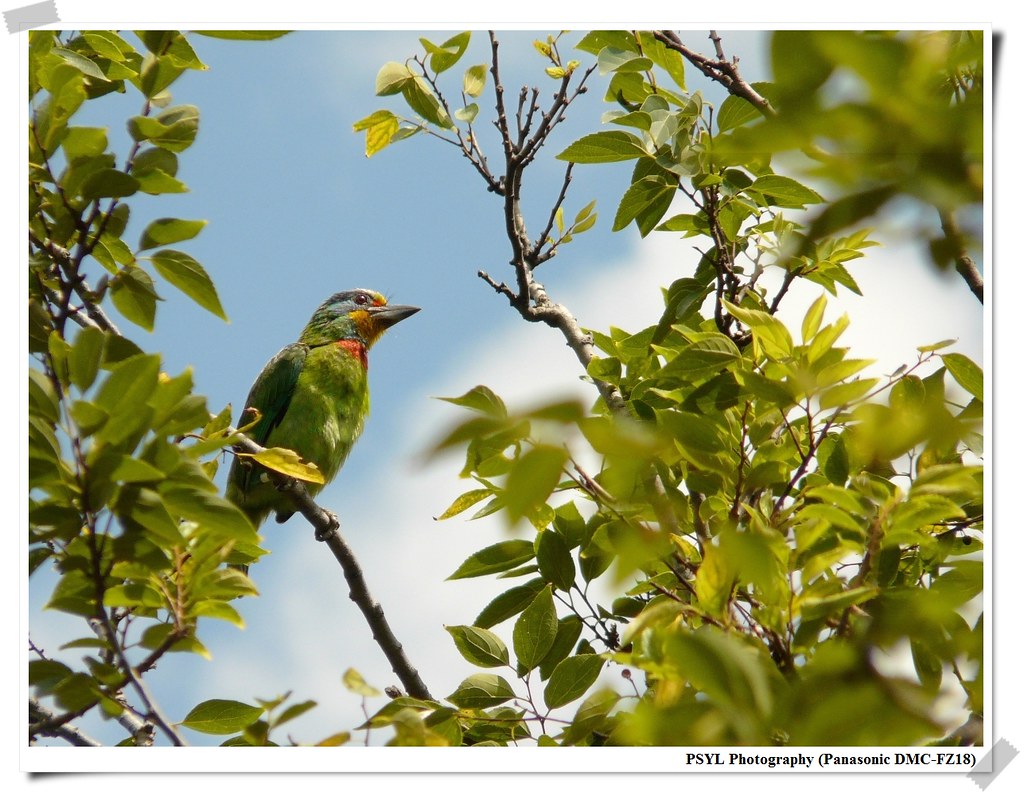
Muller's Barbet (Megalaima nuchalis) - 五色鳥
Mother barbet taking a break from incubating inside the hot nest cavity.

As usual, beautiful images can be captured all around me if you're just patient and observant enough.


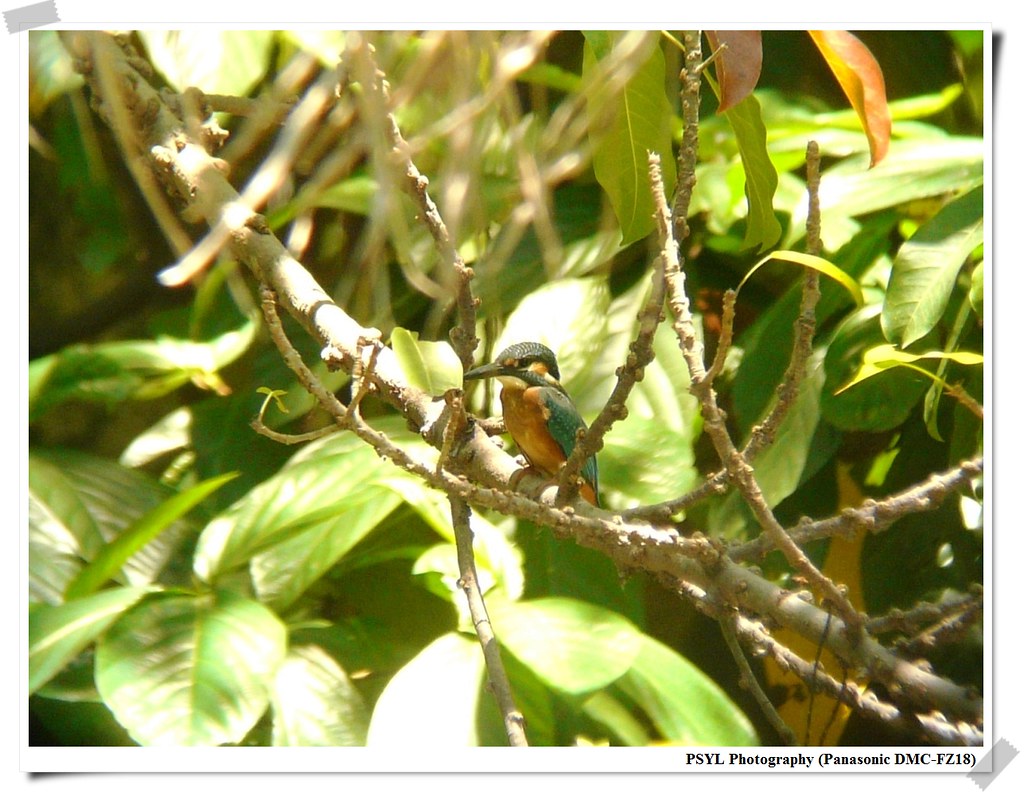
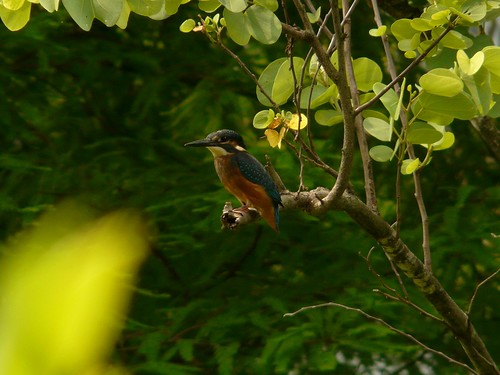
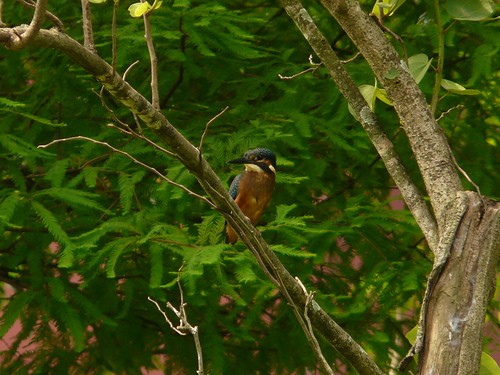
Common Kingfisher (Alcedo atthis) - 翠鳥
Common Kingfisher. I love Kingfishers!

There has been several cases in the botanical garden where strange things happen to nesting birds, including the nests, eggs, nestlings, and even the adults themselves. One primary suspect is humans, particulary bird-selling merchants. However, there has been no evidences to support this speculation. Other suspects include rodents (rats and squirrels), stray cats, lizards, and snakes.

Working on one suspect at a time, the research assistants and I decided to do a simple and short rodent survey in the botanical garden to see if there are presence of rats in the garden (because we already know the presence of squirrels and their impacts).

We set up 20 trapping cages baited with sweet yams covered with peanut butter along the boardwalks of TBG. We will be checking the cages tomorrow to see if there are any catches. I am quite excited to see the results tomorrow since I guessed 7 out of 20 will have something in it.

While placing the cages (which caused quite a curious crowd around us), the chief security guard informed us of another injured bird found in the garden. This time it is a Black Bulbul with an injured belly. We put some disinfectants on it and gave it some food for the night. We'll be contact the bird rescue society tomorrow regarding our newest find.

2009/07/01

Photos of the Day: Day Three

I just had a group dinner with new friends from last week's orientation tour. Plus, today was extremely hot and stuffy in Taipei City, so it wasn't too pleasant working under the sun. Here're some of the interesting photos that I took.

The latest nest tree discovered and its owner. Inside the nest cavity are three eggs. Strangely, in the three hours that I observed, I only saw the male parent incubating the eggs. I wonder where the female went.

Near where we were observing the nest, a bright orange mushroom was found. I hope to have its identification soon because it's quite beautiful.

In addition to observing the nest, we continued with our barbet catching assignment. The first method of using a mist net with extendable poles on two sides never really worked out since the parent barbet never allowed enough time for us to make our move. So in the late afternoon, we changed our plan and used a smaller mist net hanging (on four corners) placed just outside the entrance - kind of like raising a flag. We will be trying this method again tomorrow.

While catching the birds, I tried to photograph a Chinese Bulbul's nest while the parents were away. But shortly afterwards, the parent returned and wasn't very happy with me being an intruder. So I quickly left them alone.

Back in the office, the parasitic eggs are entering into another life stage...So fast?
.

2009/06/10

Difficulty of observing nesting behaviour

We changed to a new observation spot today. The nest is located at the left branch where it was snapped off when mainteinance workers at the garden accidentally broke it. Thankfully, it didn't affect the nest cavity and the adult pair successfully reared one fledgling. Nevertheless, the physical changes done to the nest may render it a poor nest from now on; therefore, we are thinking off sawing it off (to examine it closely) if no pair is using it one month after the fledgling leaves the nest.

One difficult task of observing any new site is to differentiate adult A from adult B, and preferably know the correct gender of each. Sadly, after a few hours of looking at them (below photos), we were not able to point out any significent characteristics. Hence, the set-up of a triangle mist nest outside the nest (right photo above) to try and capture the adults and leg-band them.

Are they the same or different individuals?

We successfully caught one adult just a few minutes after setting the net up. We completed the measurements and leg-banding within an hour and released it soon afterwards. We then waited for more than four hours for the other adult to arrive. Strangely, that never happened. We will have to try again tomorrow. Maybe it is a single-parent family?

While waiting during the four-hour period, I saw two Malay Night Herons near us - probably because there was a nest with two fledglings just a few metres above us. When a stray cat passed by the adult, the adult heron raised its head feathers and became very fierce-looking.

My co-worker pointed out this hidden nest of Chinese Bulbul (Pycnonotus sinensis) for me to see and photograph (while the parents are away).

Beautiful orbs.

PS - When we checked the nest with the abandoned fledgling today, we saw a lifeless body. We were too late. Truthfully, rescuing it was quite challenging for us too since we were unsure how to get the baby bird from the nest chamber 25- to 30-cm deep from the nest entrance that is only about 5-cm in diameter. We are truly sorry and may you rest in peace, baby barbet.
.

2009/05/24

Showing my mother around Taipei

Yesterday, I brought my mother to Taipei Botanical Garden and showed her around in my work areas and some special sights to to see. We saw many beautiful animals and plants, but it was too hot for my mother to cope with.

The first bird that we saw a Black-billed Magpie (Pica pica), which was pretty exciting to see since Chinese people call them Lucky Bird. What a way to start off the day! Sadly, it was too well hidden for me to take decent photographs. Nevertheless, it was a sight to see.

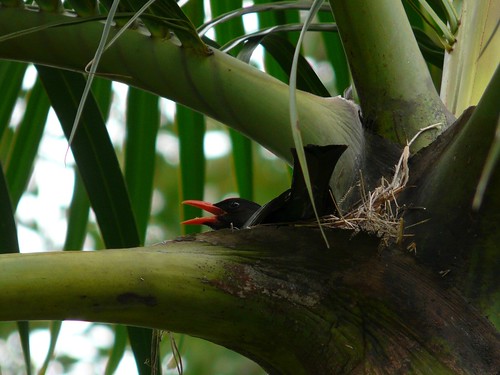
Afterwards, I showed my mother around to see some nests of Muller's Barbets and other nesting birds that I know, such as this relatively effortless nest by the Black Bulbul (Hypsipetes leucocephalus) made out of few grass straws.

Nesting Black Bulbul (Hypsipetes leucocephalus) - 紅嘴黑鵯

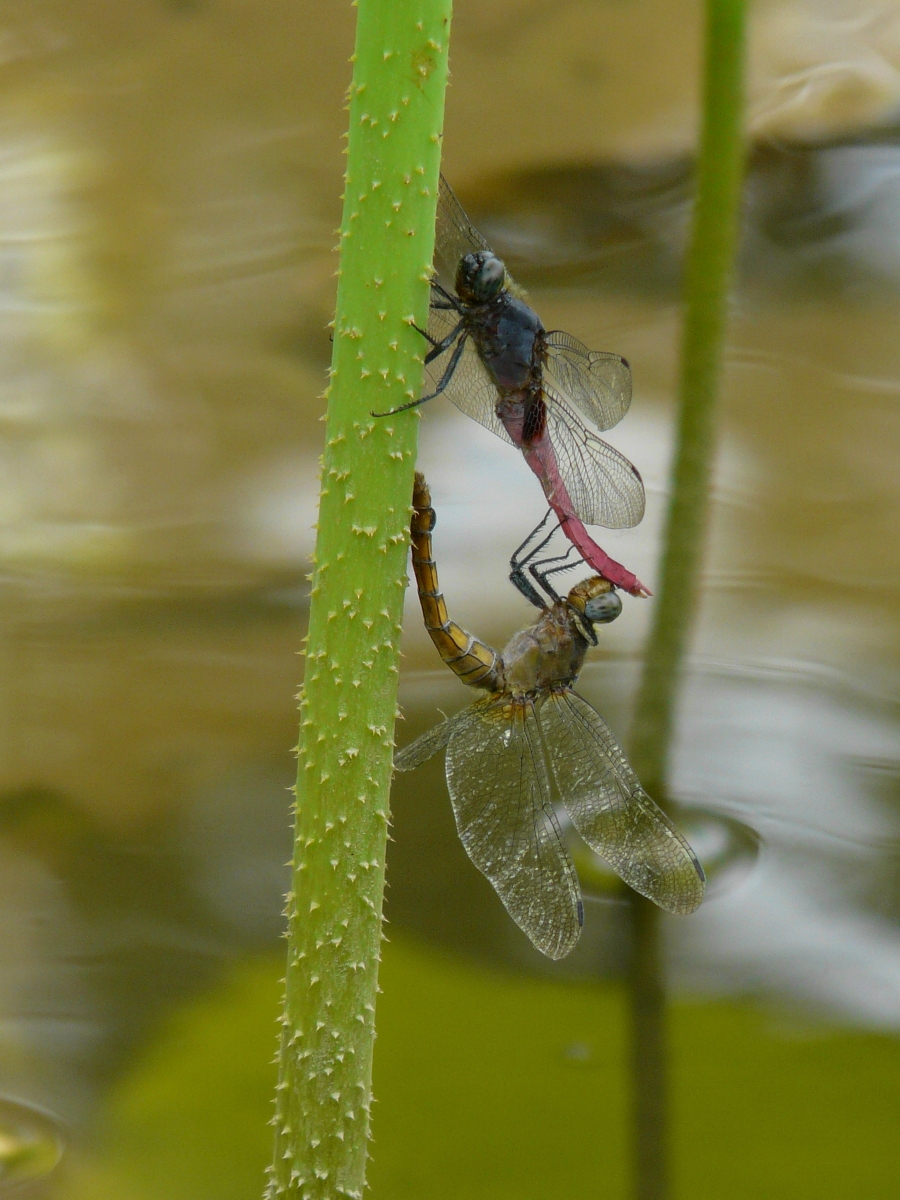
My mother was pretty excited to see the beautiful Muller's Barbets, especially when they poked their heads out of the cavity hole and looked around. Near the Lotus Pond, we also saw this pair of Red-bellied Skimmers (Orthetrum pruinosum neglectum) mating and laying eggs on the water surface. We observed that while the female lays her eggs, the male flys above her to protect her.

Red-bellied Skimmers (Orthetrum pruinosum neglectum) - 霜白蜻蜓
Red-bellied Skimmers (Central Indian subspecies)

After we had lunch outside the garden, we headed to the college where my aunt teaches at. The college is located up on a small mountain so the view is quite nice. Over there, I saw quite a few of the common Formosan Grass Lizards (Takydromus formosanus) hiding in the roadside shrubs.

I hope I am right with my identification since there are a couple of lizards in the family Lacertidae found in Taiwan, and they all looked quite similar to me in the field guide. One main distinction is that T. formosanus has two pairs of inguinal pores, but I didn't want to stress and pick up this little fellow up to examine it more closely.

Formosan Grass Lizard (Takydromus formosanus) - 台灣草蜥

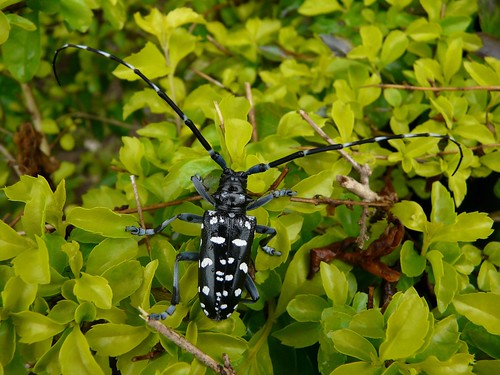
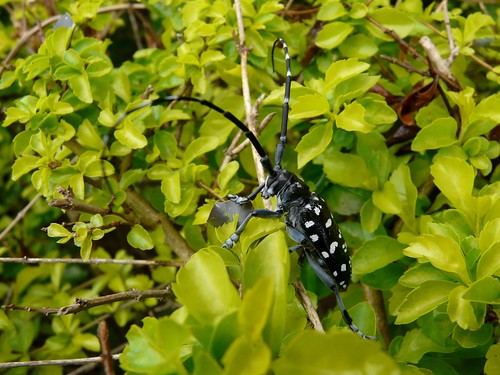
In another shrub, I saw this beautiful White-spotted Longicorn Beetle (Anoplophora macularia). They are about 24 to 35-mm in length, not including the super long antennae.

White-spotted Longicorn Beetle (Anoplophora macularia) - 星天牛

White-spotted Longicorn Beetle (Anoplophora macularia) - 星天牛

In their school garden, I also saw a couple of ladybugs, such as this Six-spotted Ladybird Beetle (Monochilus sexmaculatus).

Today is Sunday, and it is my mother's last day in Taipei. My mother, aunt, and I went shopping in the neighbourhood before we brought my mother to the train station to head back to Central Taiwan. I will not see my mother again for another three months, since she is heading back to Canada in a couple of days while I'm still staying for my volunteer work and internship. Sigh.
.

2009/05/22

Photos of the day - Animals in TBG

Yawn. Everyday is so fulfilling (and so tiring) with examining the cavity nests and helping out with the behaviour obervations.

I'll just post some of my better shots of the day today. Have a great weekend, everyone!

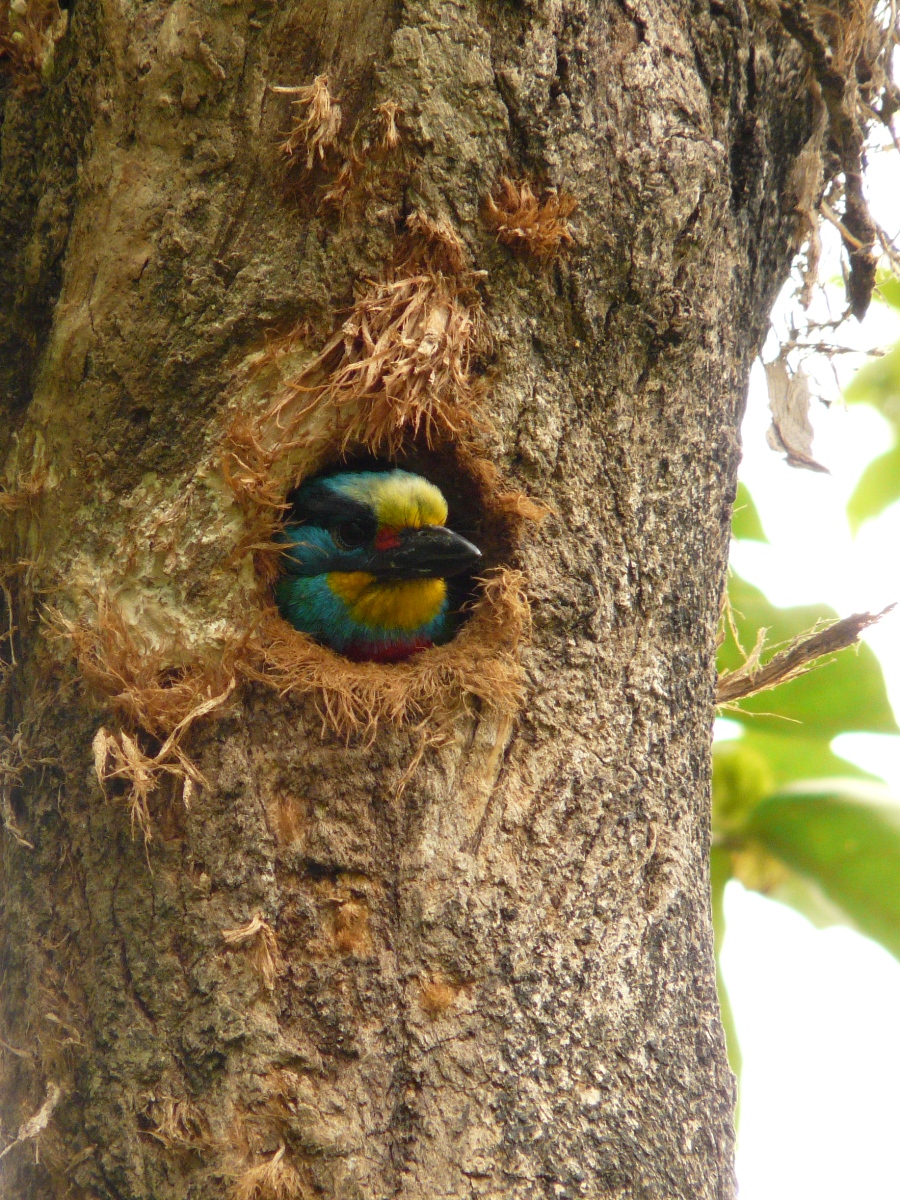
Muller's Barbet (Megalaima nuchalis) - 五色鳥
Muller's Barbet (Megalaima nuchalis)

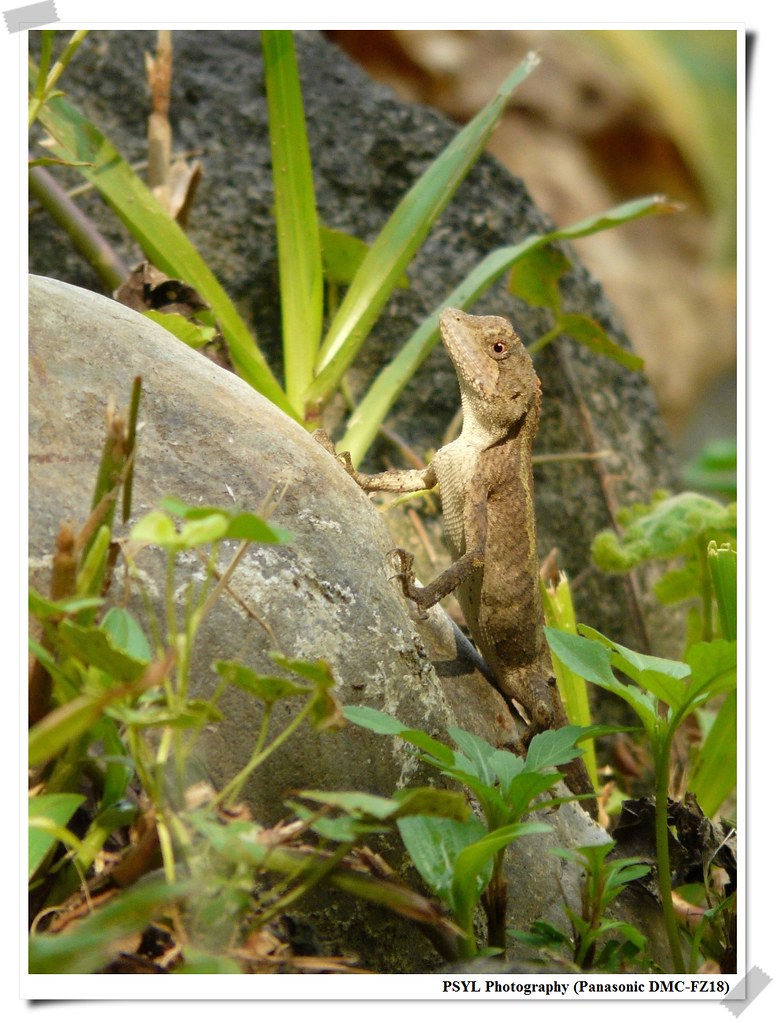
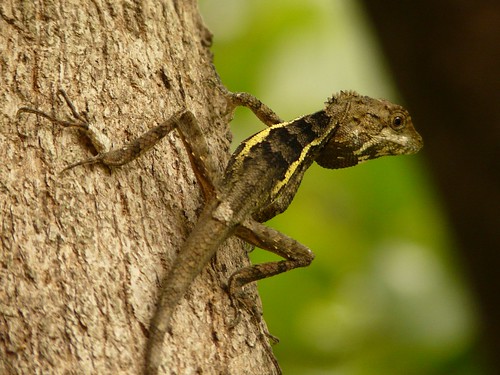
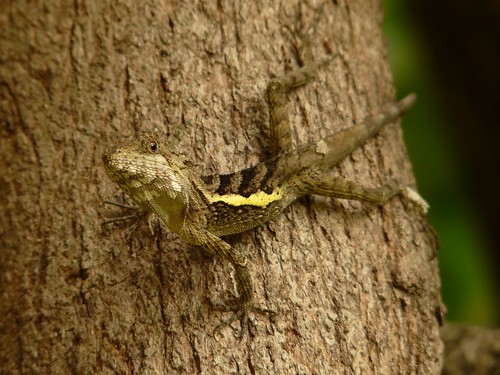
Swinhoe's Japalura (Japalura swinhonis) - 斯文豪氏攀蜥

Swinhoe's Japalura (Japalura swinhonis) - 斯文豪氏攀蜥

Swinhoe's Japalura (Japalura swinhonis) - 斯文豪氏攀蜥
Swinhoe's Japalura (Japalura swinhonis)

Common Kingfisher (Alcedo atthis) - 翠鳥

Common Kingfisher (Alcedo atthis) - 翠鳥
Common Kingfisher (Alcedo atthis)

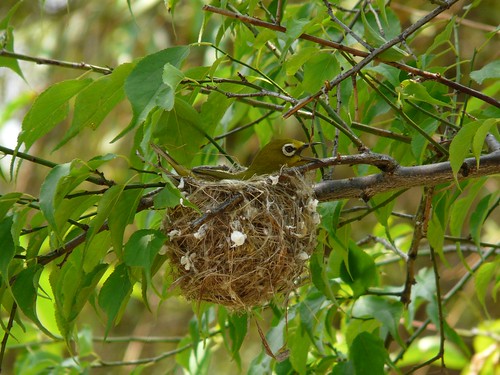
Nesting Japanese White-eye (Zosterops japonicus) - 綠繡眼
Nesting Japanese White-eye (Zosterops japonicus)

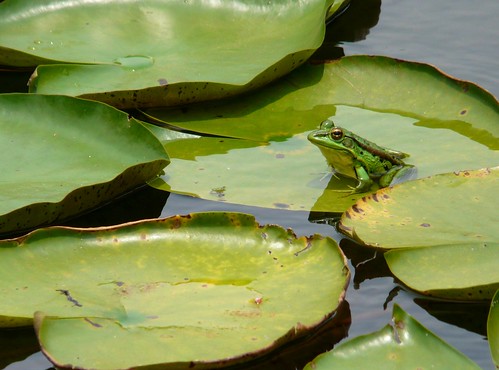
Green Pond Frog (Rana plancyi) - 金線蛙
Green Pond Frog (Rana plancyi)

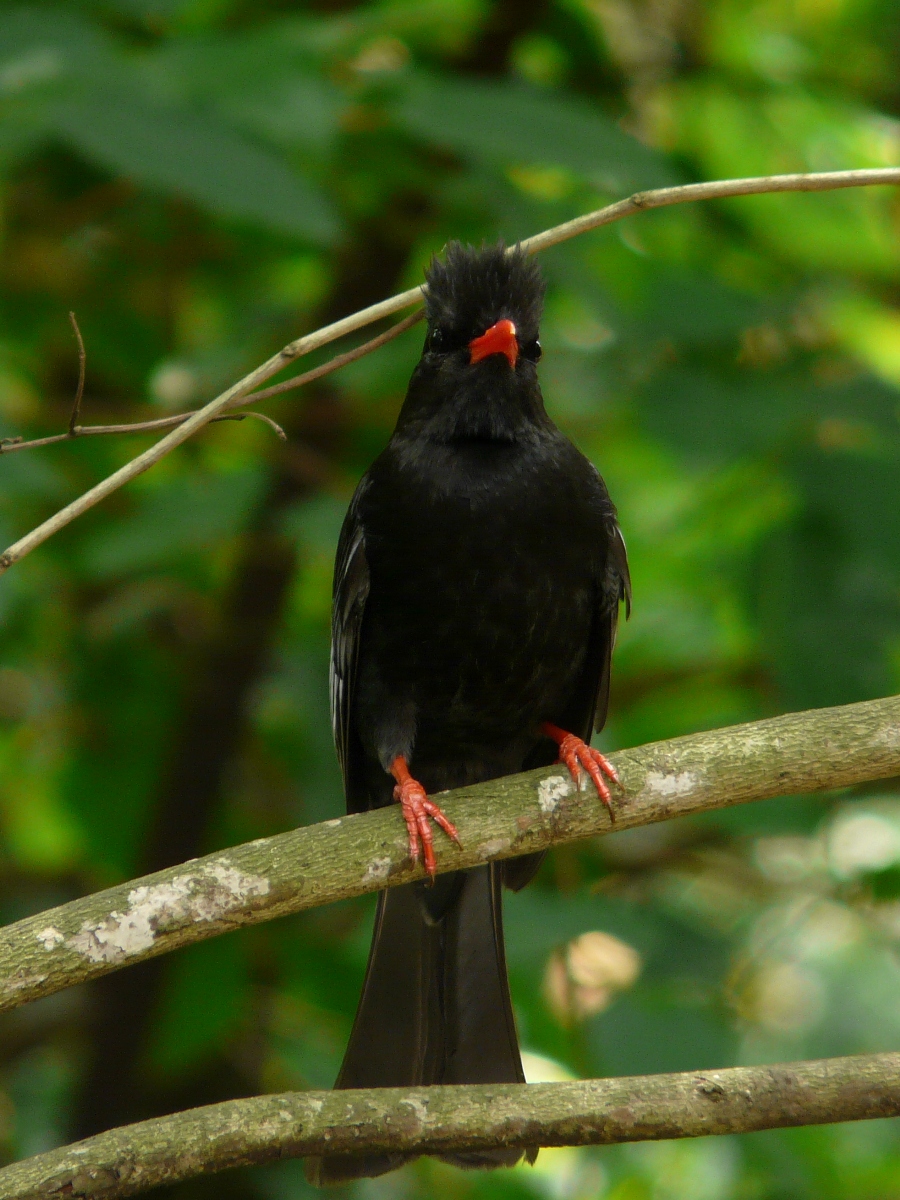
Black Bulbul (Hypsipetes madagascariensis) - 紅嘴黑鵯
Black Bulbul (Hypsipetes madagascariensis)
.

2009/05/19

Day Two at TBG

I didn't have an actual shift today for observation, so most of my times today were spent in the office typing up yesterday's observations and finding research paper for ths project - ranging from searching for terms including Megalaima, oorti, nuchalis, Family Capitonidae, barbets, cavity nesters, and others. Sadly, very few results were obtained as there seems to be very little work done about this group of birds. This makes me think about the advantages and disadvantages of doing research about little-known animals - good being the pioneer of the subject, but bad being the lack of information available to you to write up your report.

Anyways, there were some time for me to be out in the botanical garden looking for birds, including the barbets. Some different (and lifer) species are: a Common Kingfisher (Alcedo atthis), a pair of Chinese Bulbul younglings, and a Black-naped Monarch (Hypothymis azurea) - all of them are photographed below. I also saw a Gray Treepie today perched on a satellite tower of a building.

A co-worker and I took over for a pair of volunteer observers working for over five hours. All of our volunteers (excluding me) are mostly retired teachers who like working outdoors with nature.

The parental pair of Muller's Barbets are still incubating their eggs, and switching over every thirty minutes to an hour. During this period, the parent incubating the egg will occasionally peek out of the hole and look around. Perhaps wondering why its mate has not returned, or maybe it is just bored inside the hole. We have not yet able to devise a method to record the actions inside the nest as the supply light from the video recorder frightens the adults and they will abandon the hole. Does anyone know any good method of setting up cameras inside a dark nest, particularly for a cavity nester?

Muller's Barbet (Megalaima nuchalis) - 五色鳥
Where are you, sweetie?

I am right outside, silly.

Tomorrow, a TV channel station is coming to get some footages of the barbets in action. That should be fun.
.
Related Posts Plugin for WordPress, Blogger...