Showing posts with label japalura. Show all posts

2009/08/15

Exploring the parks in Tianmu & 3rd place for my presentation!

Feeling bored by the afternoon, I decided to walk around and explore the parks near my residence. The first park I went to was Yinghuagang Park, a very small park outside an apartment building and Tianmu's Yellow River.

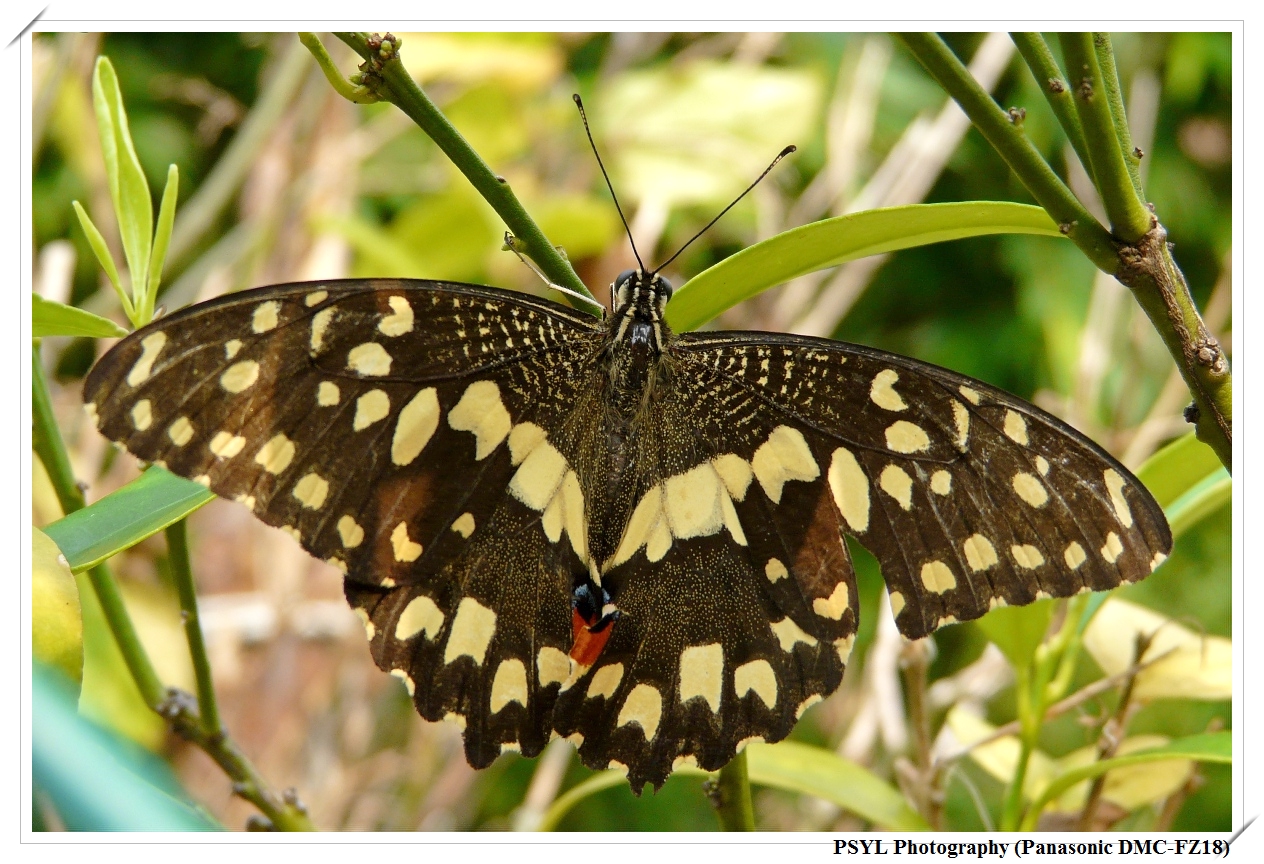
Despite the small size, I still saw many interesting things, such as this Papilio demoleus on the other side of the wire fence.
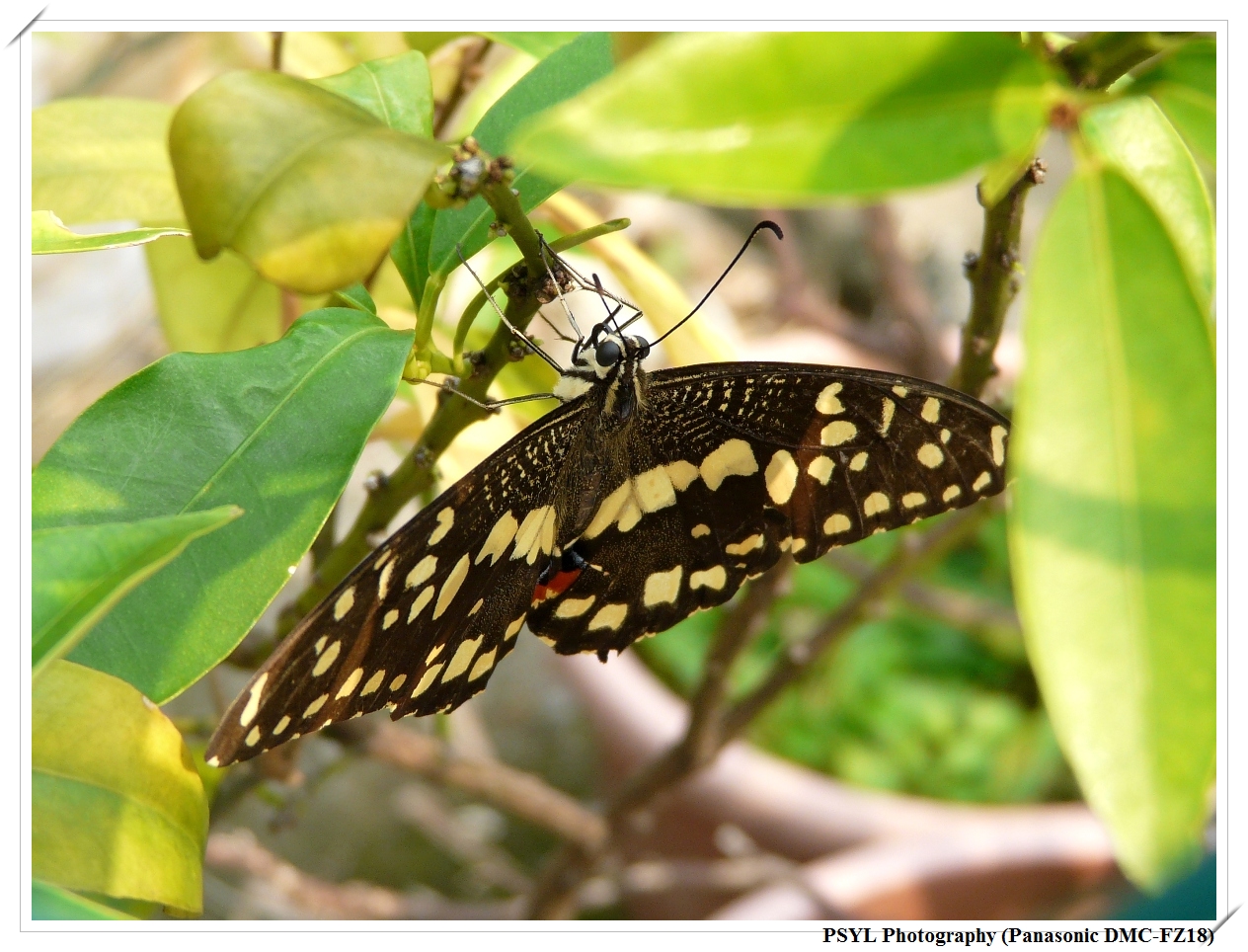
P1160991

P1160999
Papilio demoleus

At the end of the park was a small playground, and on the other side was a small farm with bamboo, fruit trees, and other vegetable patches.

Guarding the farm were small feisty (but adorable) puppies.

The farm also attracted plenty of butterflies, bees, and dragonflies.

Such as this Peacock Pansy.

Crossing the park on a small bridge, I came to the riverbank of the Yellow River. Even though the river channel is quite unnatural, it was still nice to watch and hear the water rushing by.

Then I wandered around a bit in the neighbourhood and photographed this unafraid Red Percher.
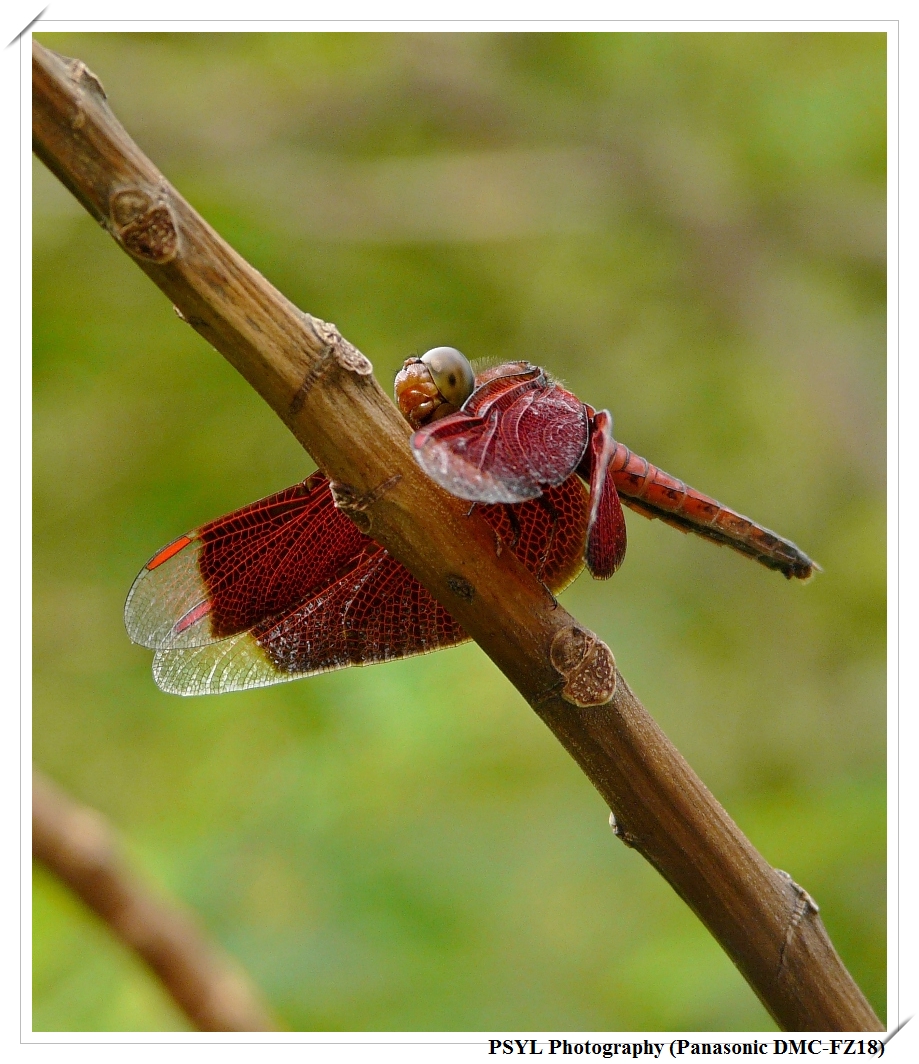
Red Percher (Neurothemis ramburii) - 善變蜻蜓

Wandering upstream of Yellow River, I came across Tianmu Park, a much larger park that I had vague memories of playing here (with my elementary friends) before I immigrated to Canada.

There is a narrow but sturdy bridge for us to cross over the Yellow River.

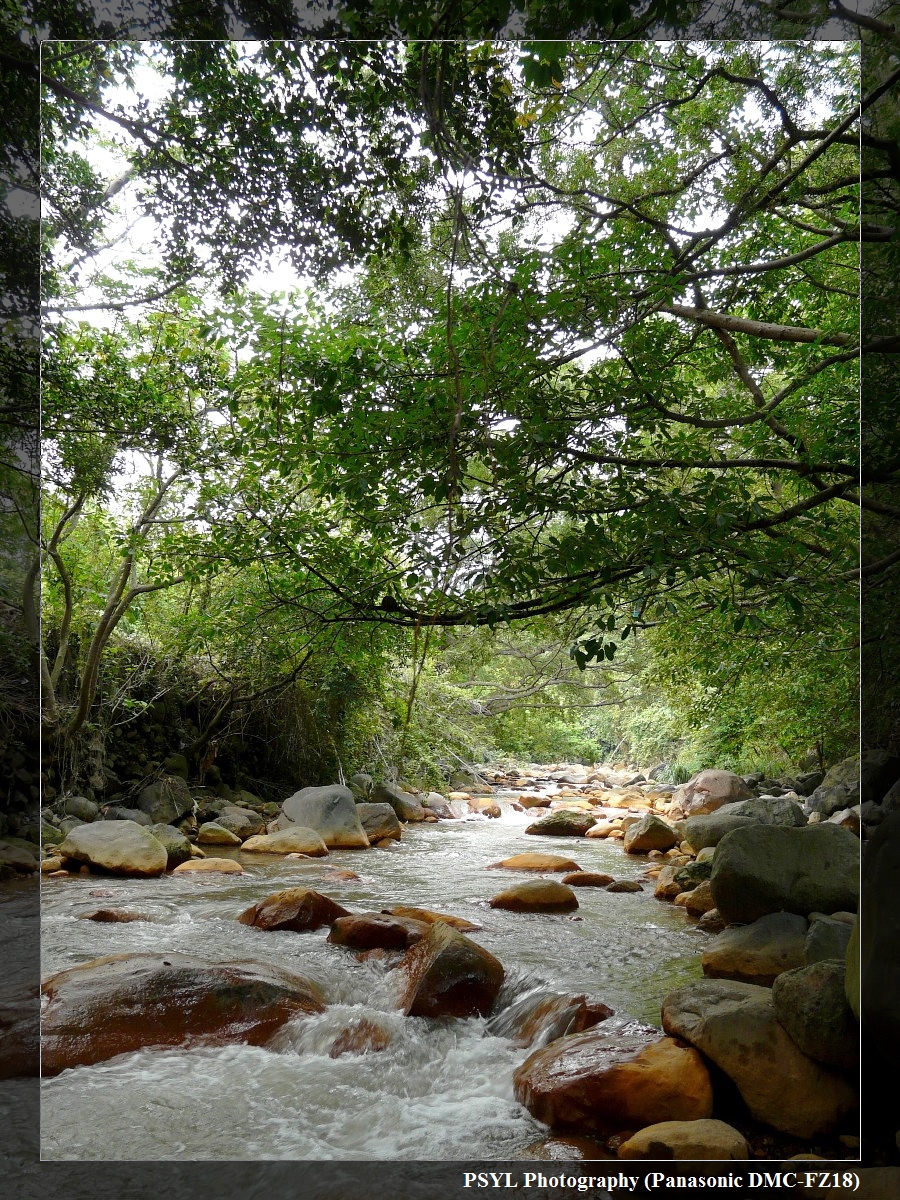
I also went to the riverbank and captured some beautiful images of the river flowing underneath the canopy.
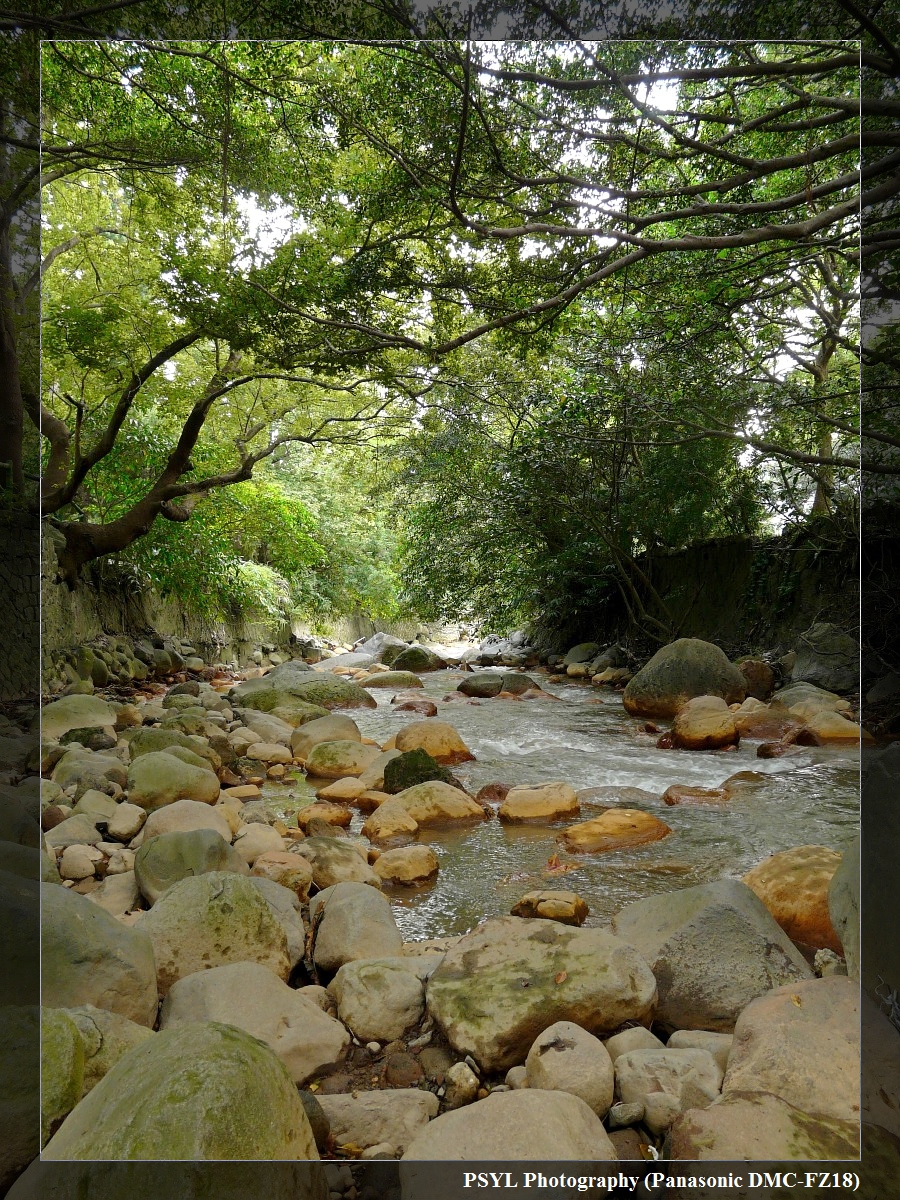
Peaceful Yellow River

Gentle Yellow River

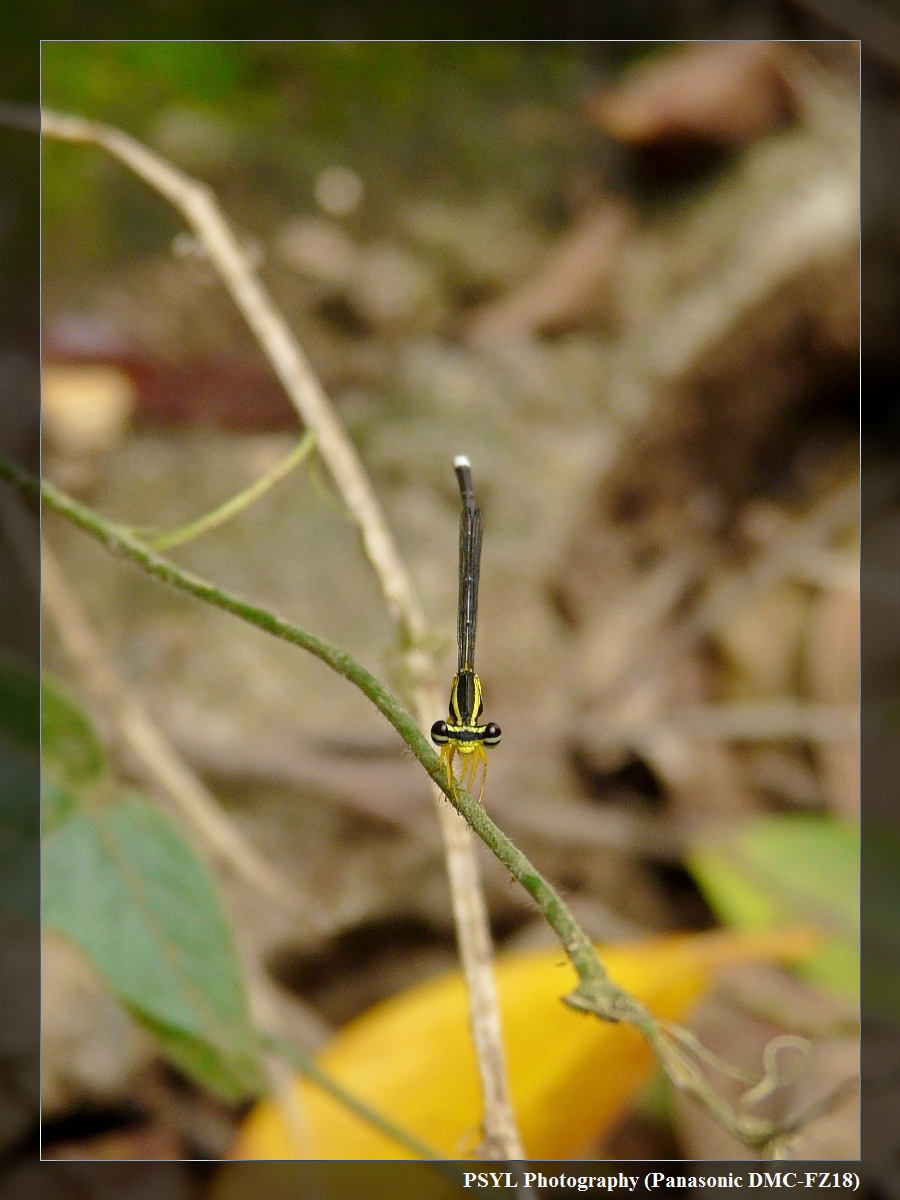
When finishing photographing the river, I came across this minute and bright damselfly.

Yellow Featherlegs (Copera marginipes) - 脛蹼琵蟌
Turned out it was a common damselfly named Yellow Featherlegs (Copera marginipes). What a pretty little thing when it was looking at me through my camera lens.
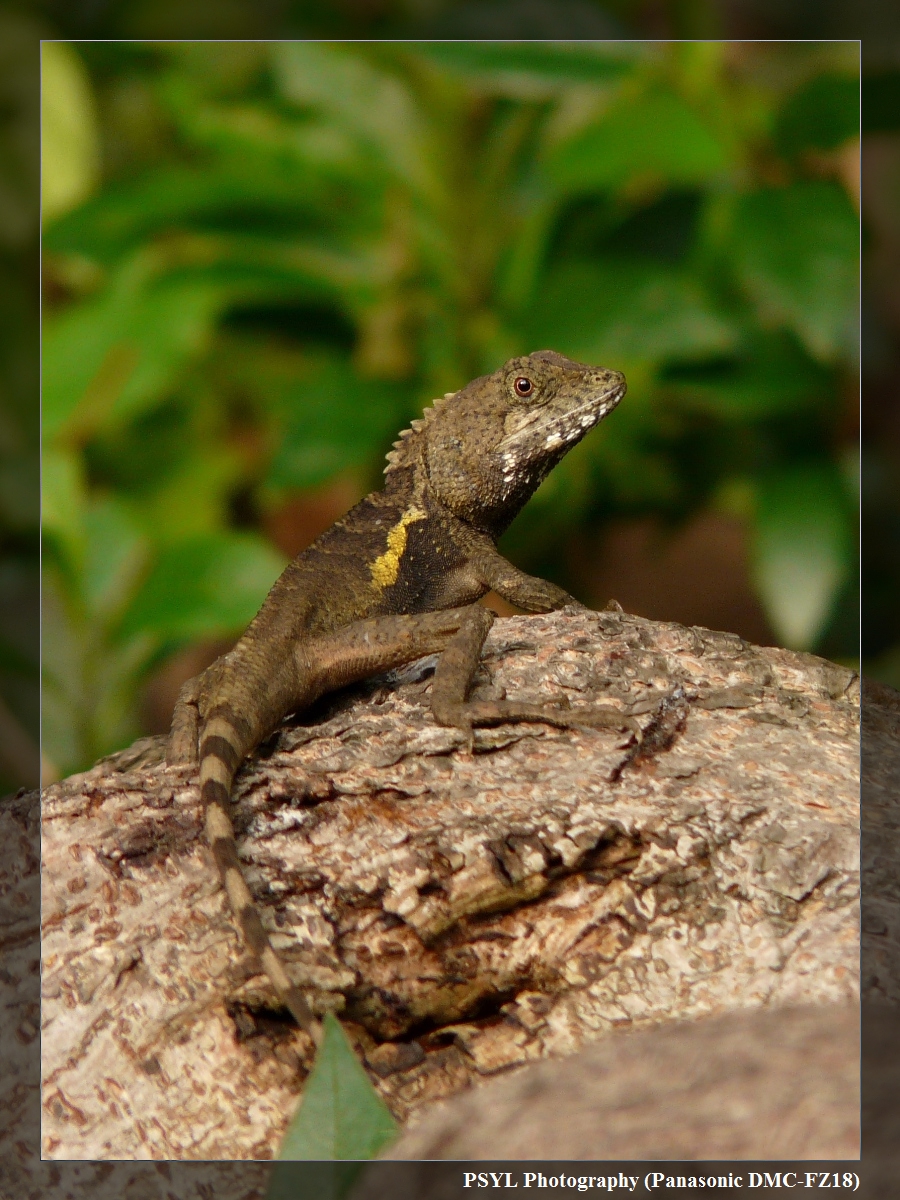
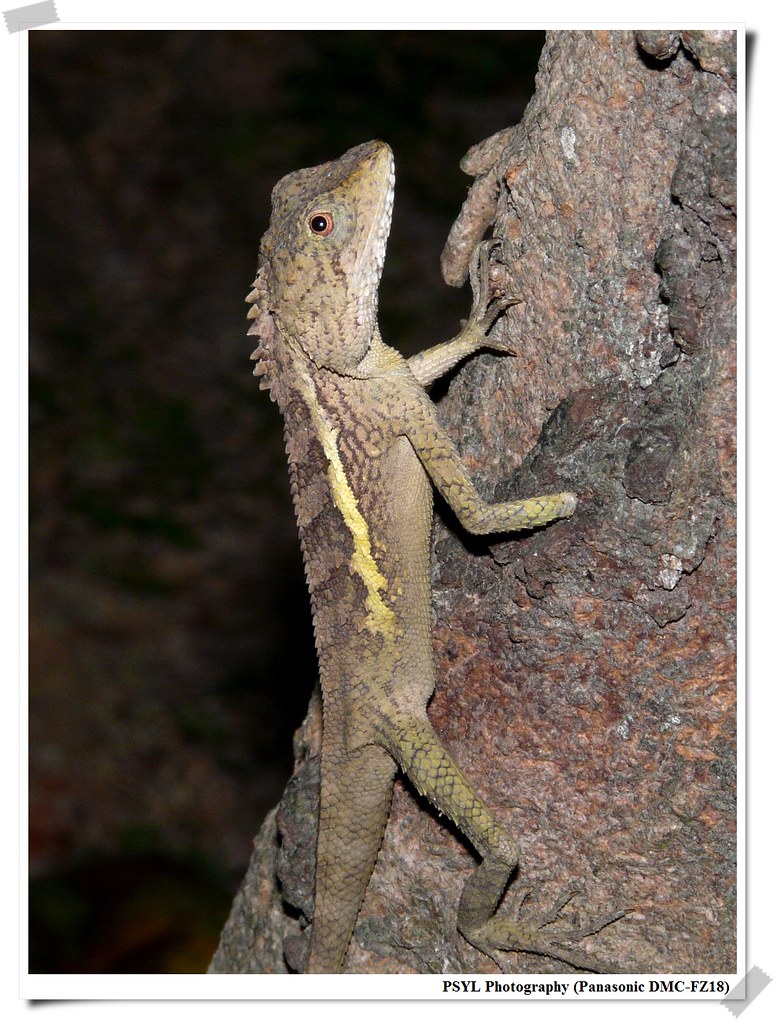
Swinhoe's Japalura (Japalura swinhonis) - 斯文豪氏攀蜥
After an hour or so, I needed to head back home to get ready for the finale banquet of my internship. But not before I captured some images of this patient Swinhoe's Japalura. I shall be back to this beautiful park to reminisce my childhood memories and capture new memories.

By the way, I received the 3rd place award (in the Life Sciences category) for my presentation on Taiwan Barbet. What a wonderful day it was today!
.

2009/07/20

Sneak peek of weekend trip & Three-legged Japalura while Barbet-Observing

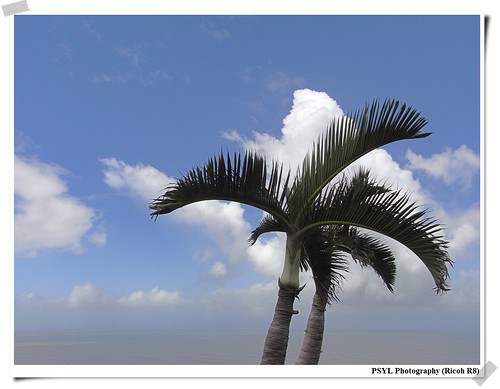
I had returned from my weekend trip on the east coast of Taiwan, which is mountaineous and rural - compare to the flat and more urbanized west coast. However, the views are quite beautiful and are the ones you'd expect living on a tropical island.

Clouds and Palm Trees
In the end, the typhoon never crossed path with us during the weekend, so our trip was held under the beautiful blue skies.

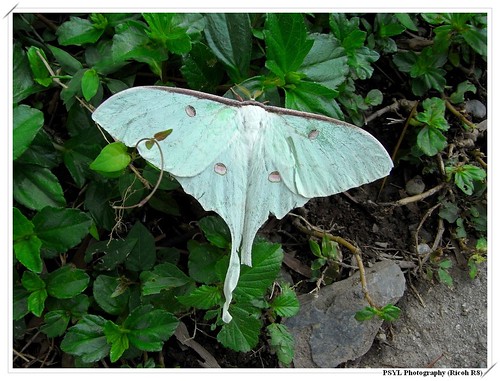
Acefias selene ningpoana - 長尾水青蛾
The lack of animals observed really dampened my mood. But that was before seeing this huge and beautiful Acefias selene in broad daylight!

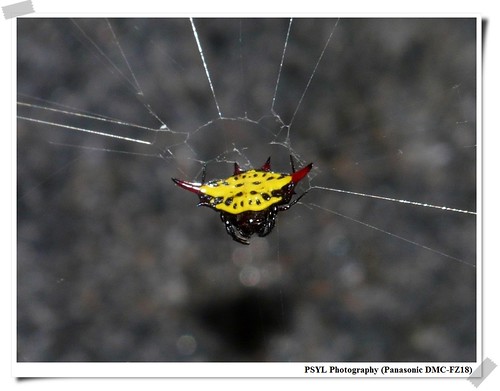
Gasteracantha sauteri - 梭德氏棘蛛
Another amazing-looking animal was this Gasteracantha sauteri with a beautiful design on its back!

Anyways, I will put up more photos from the trip when I am done organizing them (same goes for my trips from Fushan and Sun Moon Lake). For now, enjoy the photos from today at work.

Since the fledgling is growing up so fast, the parents only feed it once an hour. Bottom left is the adult male barbet guarding the nest after we took a peek inside his home.

While barbet-observing today (this nest has one fledgling hatched about two weeks ago; however, it has already grown its green feathers when using the endoscope - supporting the idea that smaller clutch size leads to faster-developing youngs), a special-looking lizard caught my attention.

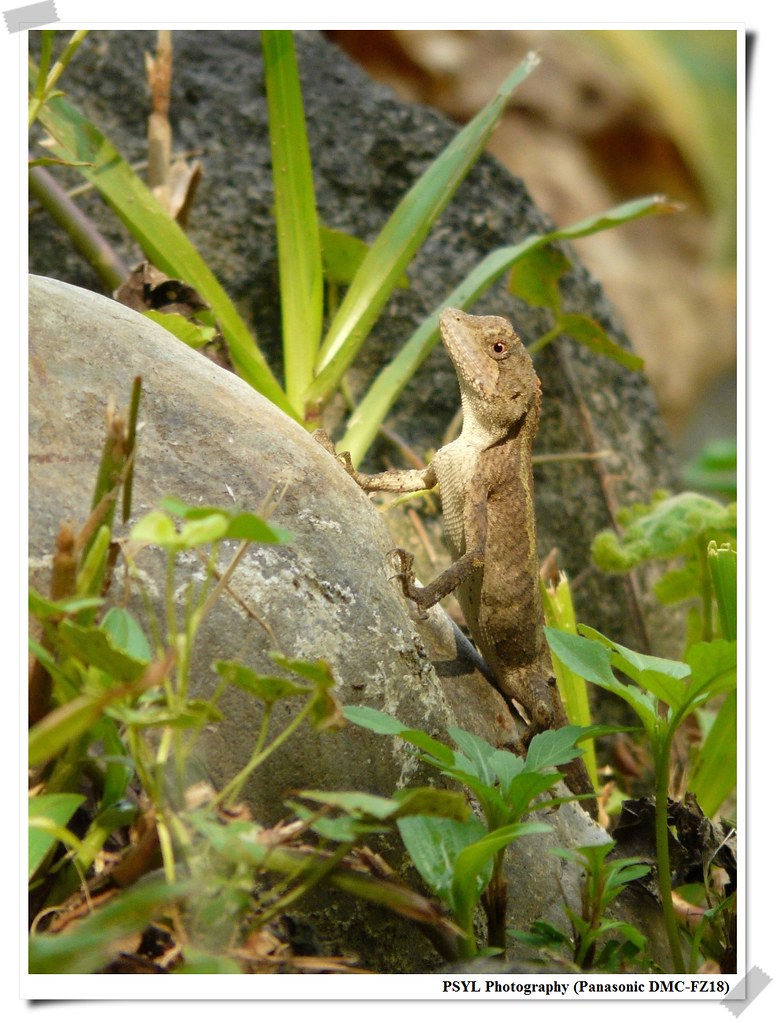
At first look, it is just a common Swinhoe's Japalura. However, after a closer look, I realized that it is missing its right arm.

Three-legged Swinhoe's Japalura (Japalura swinhonis) - 斯文豪氏攀蜥
It must be an old wound since everything looks healed, but it must provide some difficulties for an arboreal lizard like it.

Nevertheless, it seems to be in good health and quite agile without a part of the upper support.


Giving me a wink. Such a interesting fella.
.

2009/07/16

Full day: Barbets, Japaluras, Moorhen, Kingfisher, and Bulbul & Rat-trapping

Today I was assigned to a nest tree where the adult barbets are in the stages of copulation, egg-laying, and incubation. The adults of this particular nest tree are in quite a strange situation because both of them has their own individual family before this clutch. However, for some unknown reason, their significant others disappeared and resulted in these two pairing up.

The female barbet incubating her egg(s). There are currently two eggs in this nest. The average number is 3, so we will be checking tomorrow to see if another egg has been laid.

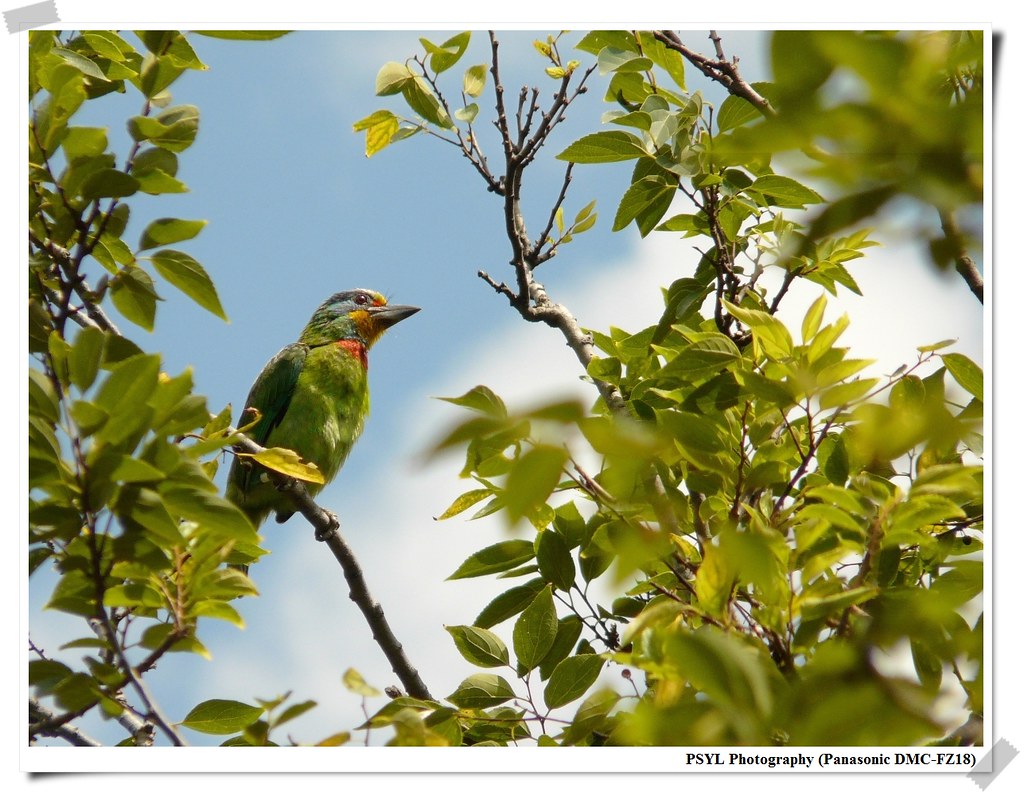
Muller's Barbet (Megalaima nuchalis) - 五色鳥
Mother barbet taking a break from incubating inside the hot nest cavity.

As usual, beautiful images can be captured all around me if you're just patient and observant enough.


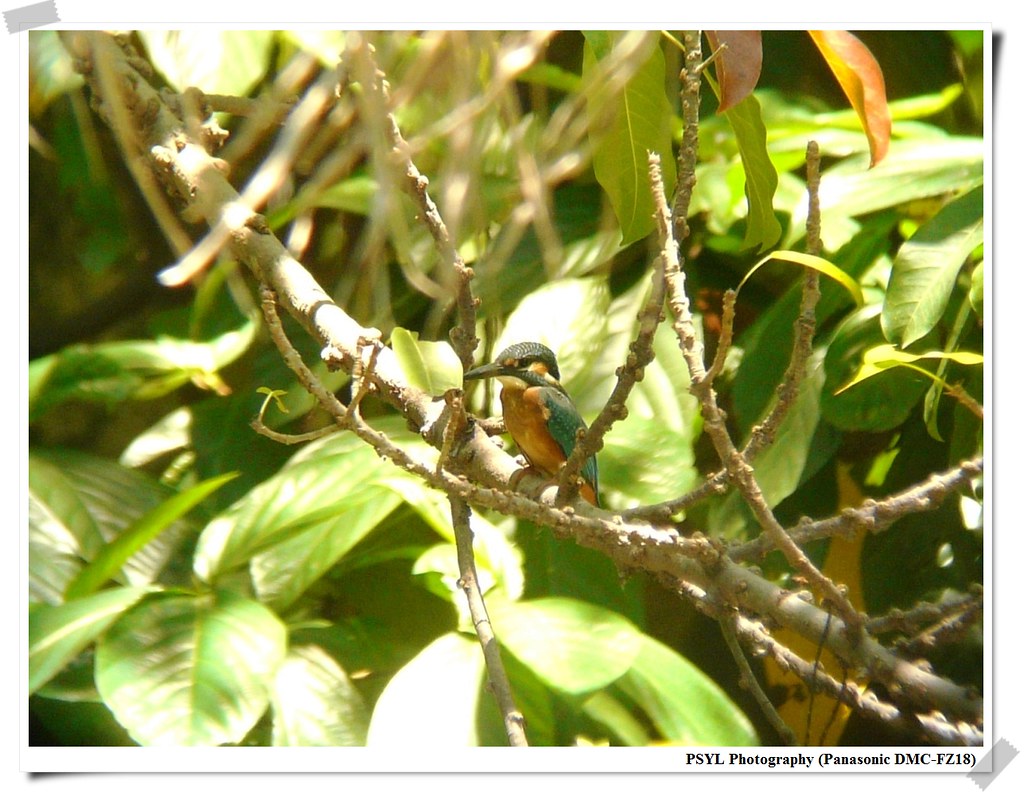
Common Kingfisher (Alcedo atthis) - 翠鳥
Common Kingfisher. I love Kingfishers!

There has been several cases in the botanical garden where strange things happen to nesting birds, including the nests, eggs, nestlings, and even the adults themselves. One primary suspect is humans, particulary bird-selling merchants. However, there has been no evidences to support this speculation. Other suspects include rodents (rats and squirrels), stray cats, lizards, and snakes.

Working on one suspect at a time, the research assistants and I decided to do a simple and short rodent survey in the botanical garden to see if there are presence of rats in the garden (because we already know the presence of squirrels and their impacts).

We set up 20 trapping cages baited with sweet yams covered with peanut butter along the boardwalks of TBG. We will be checking the cages tomorrow to see if there are any catches. I am quite excited to see the results tomorrow since I guessed 7 out of 20 will have something in it.

While placing the cages (which caused quite a curious crowd around us), the chief security guard informed us of another injured bird found in the garden. This time it is a Black Bulbul with an injured belly. We put some disinfectants on it and gave it some food for the night. We'll be contact the bird rescue society tomorrow regarding our newest find.

2009/06/30

Seeing an out-of-season White's Ground Thrush and Barbet catching lizard!?

Second day of internship started with a beautiful morning.

Before heading to the office, I walked around the Lotus Pond and took pictures of the blossoming water lilies.

Soon after, I saw a Malay Night Heron flying up on to a rooftop.


For the most part of the day, I spent time in the office looking over research papers on what to include in a fundamental biological paper regarding a specific species. Another task of the day was heading out to the botanical garden and try to capture and leg-band the adults of some nest sites.

Our method was to set up a mist net before the nest entrance of the barbets. This particular nest site has one fledgling in it, so the parents had to fly regularly to feed it. We allow the parent bird to enter the nest without harm. Once it had entered, we rushed to the bottom of the tree and hold up the poles (with the mist net). We caught an adult once, but the net was too loose and the bird bounced off after. So we made another net, but no success catch afterwards. Sigh. We will have to wait for tomorrow again.

Waiting for the adult barbets to arrive requires a lot of patience. Thankfully, a lot of interesting critters were found around us so we weren't bored at all.

A moth caterpillar belonging in the Family Psychidae with parasitic eggs laid on it. We suspect it's the work of a parasitic wasp. I brought the caterpillar back to the office and will observe it everyday from now on.

Another task was to follow through with yesterday's work and see if the third egg has been laid or not (only two eggs had been positively identfied yesterday). While moving things around to assist our work, we found a larvae of some kind of a beetle.

What a juicy looking thing. If I am a bird, I would definitely eat it!

One of the most interesting things of the day was seeing this White's Ground Thrush (Zoothera dauma). It is an interesting sighting since the species migrates and winters in Taiwan during winter only. To see this bird in the summer is definitely a surprise!

It was found underneath the canopy and the boarded pathways, so it was extremely difficult to photograph and get a good image. These were the best ones I have.

When returning back to see if the adult barbet had arrived for us to catch it, we received a major surprise and saw a Swinhoe's Japalura in the bill of the parent barbet!!! It was the first time that I (and my experienced co-worker) had witness Muller's Barbet feeding its offspring a lizard!


After feeding the fledgling inside with a large lizard, (another?) parent barbet came back and brought back a smaller japalura again this time!


What a day!
.

2009/06/18

First Accipiter Saw in Taiwan

In the morning, we went back to where we released the fledglings yesterday and searched for them again to see the interactions between the offspring and their parents.

While observing the above fledgling, I discovered an interesting observation.

In a large crevice of a Camphor tree, I saw three different Muller's Barbets utilizing the hole as a drinking and a bathing hole. It was pretty exciting to see so many barbets busy on a certain tree.

The barbets had a refreshing bath as they got their feathers nice and wet in this hot day.

Nearby, a Swinhoe's Japalura was saw hugging this branch.

When I got too close, it got scared and ran away. I picked it up and placed it on another tree.


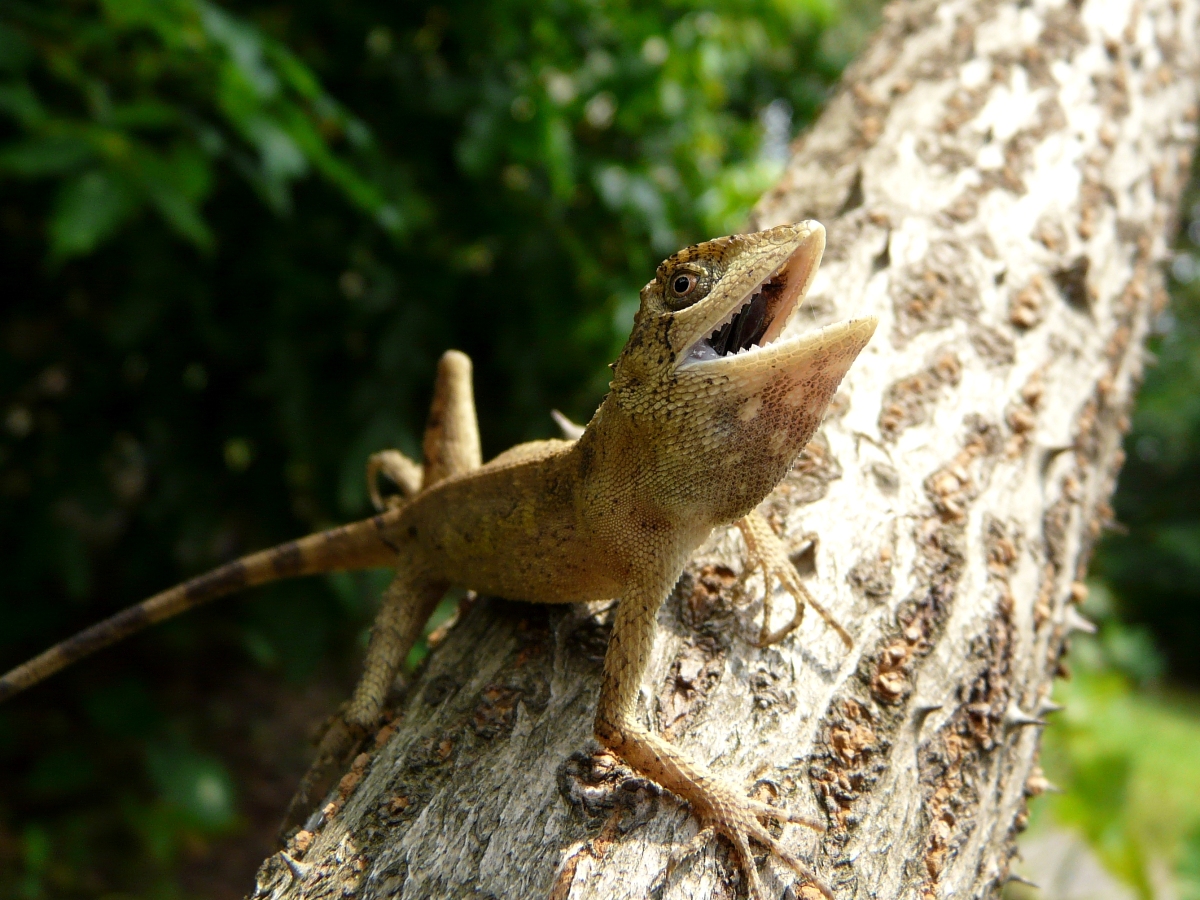
Swinhoe's japalura (Japalura swinhonis) - 斯文豪氏攀蜥
That was when it gave me the scary look and showed me teeth.

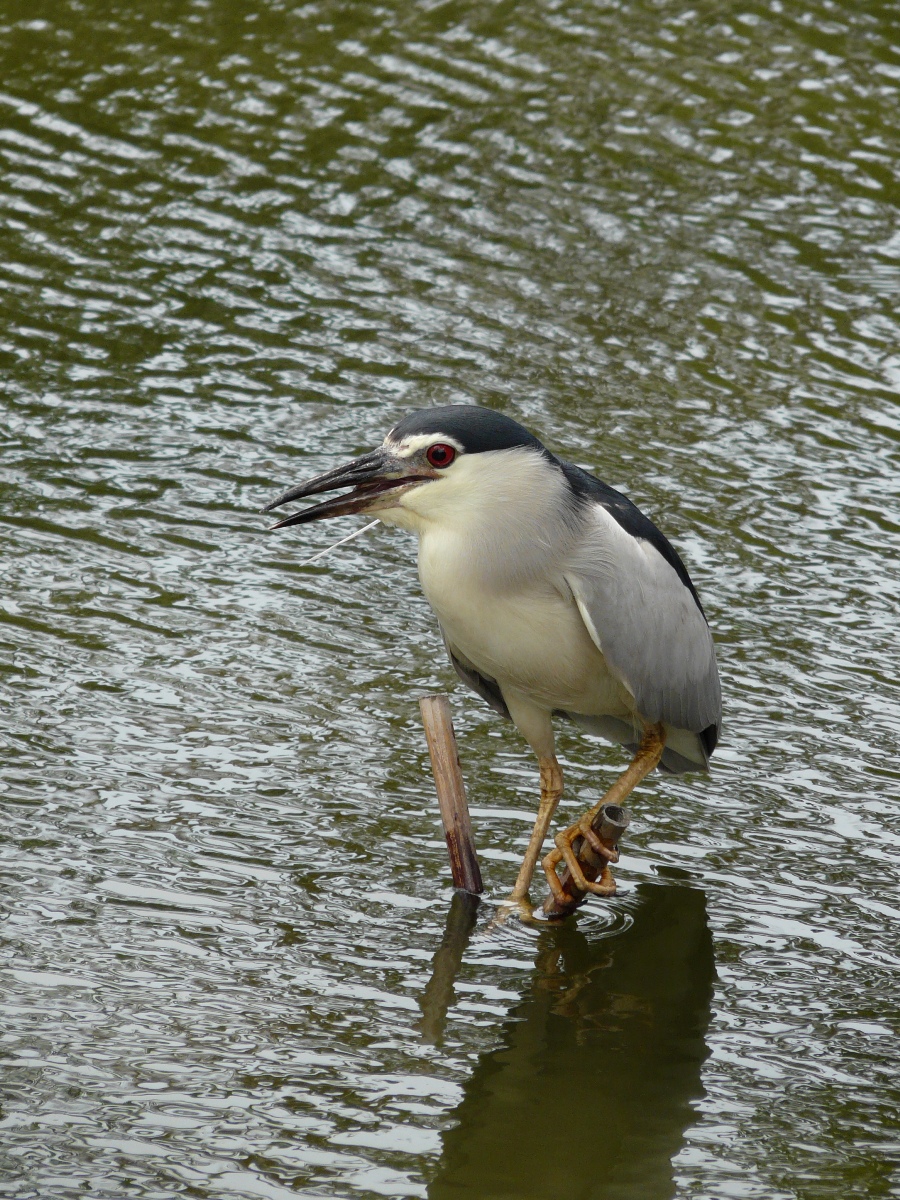
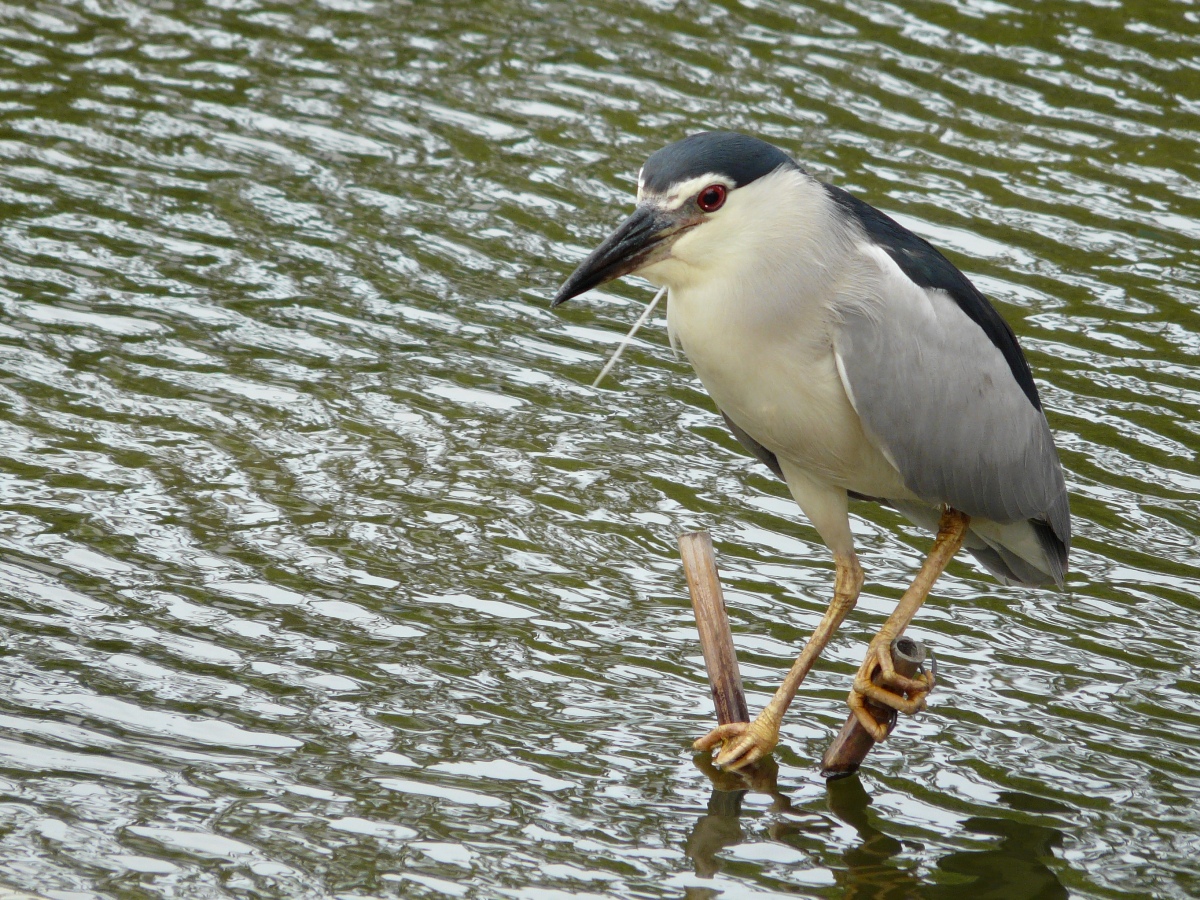
On the way to lunch, I came across another Black-crowned Night Heron - standing on just two sticks in a pond. Quite a sight. For some reason, the Night Herons in Taiwan are just as active as when they are at night. Totally defies the meaning of a "night" heron.

Black-crowned Night Heron (Nycticorax nycticorax) - 夜鷺

Black-crowned Night Heron (Nycticorax nycticorax) - 夜鷺

Black-crowned Night Heron (Nycticorax nycticorax) - 夜鷺

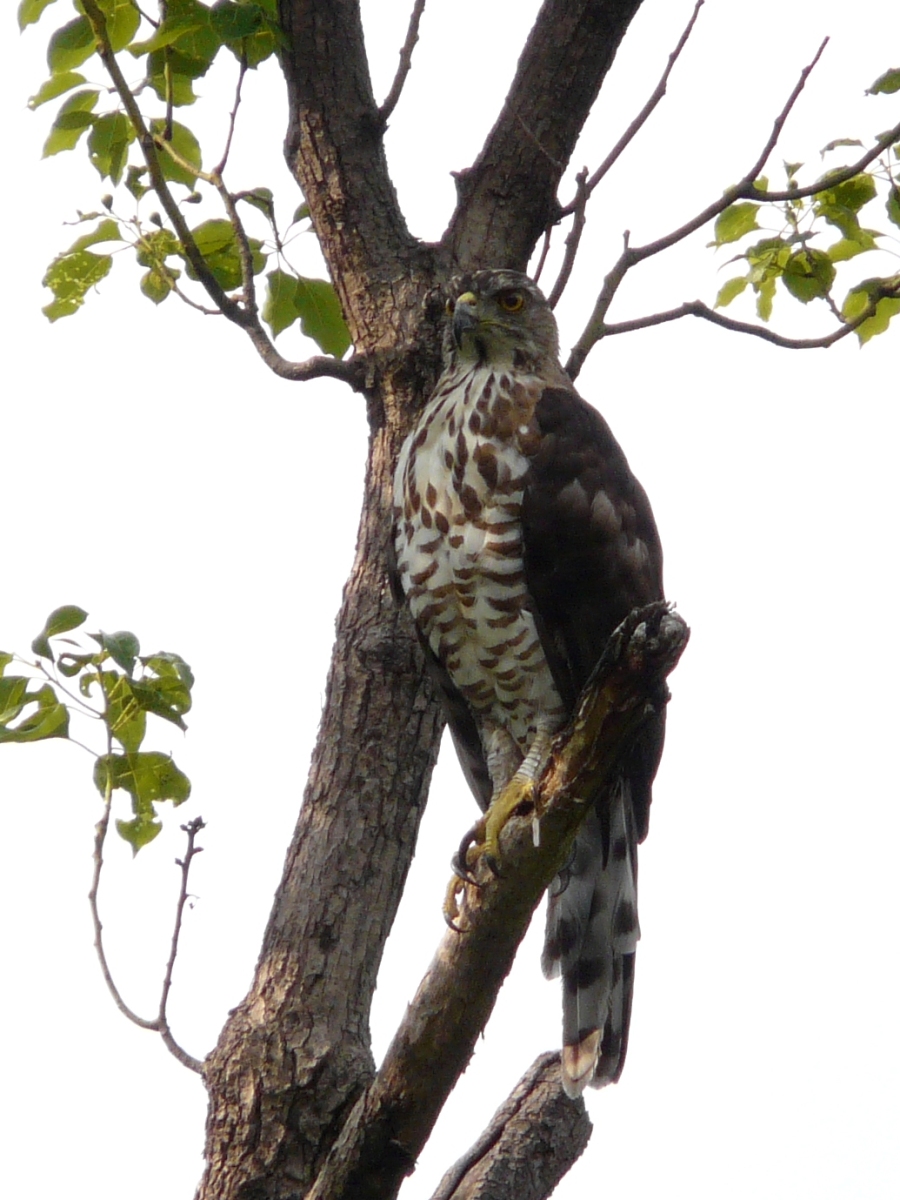
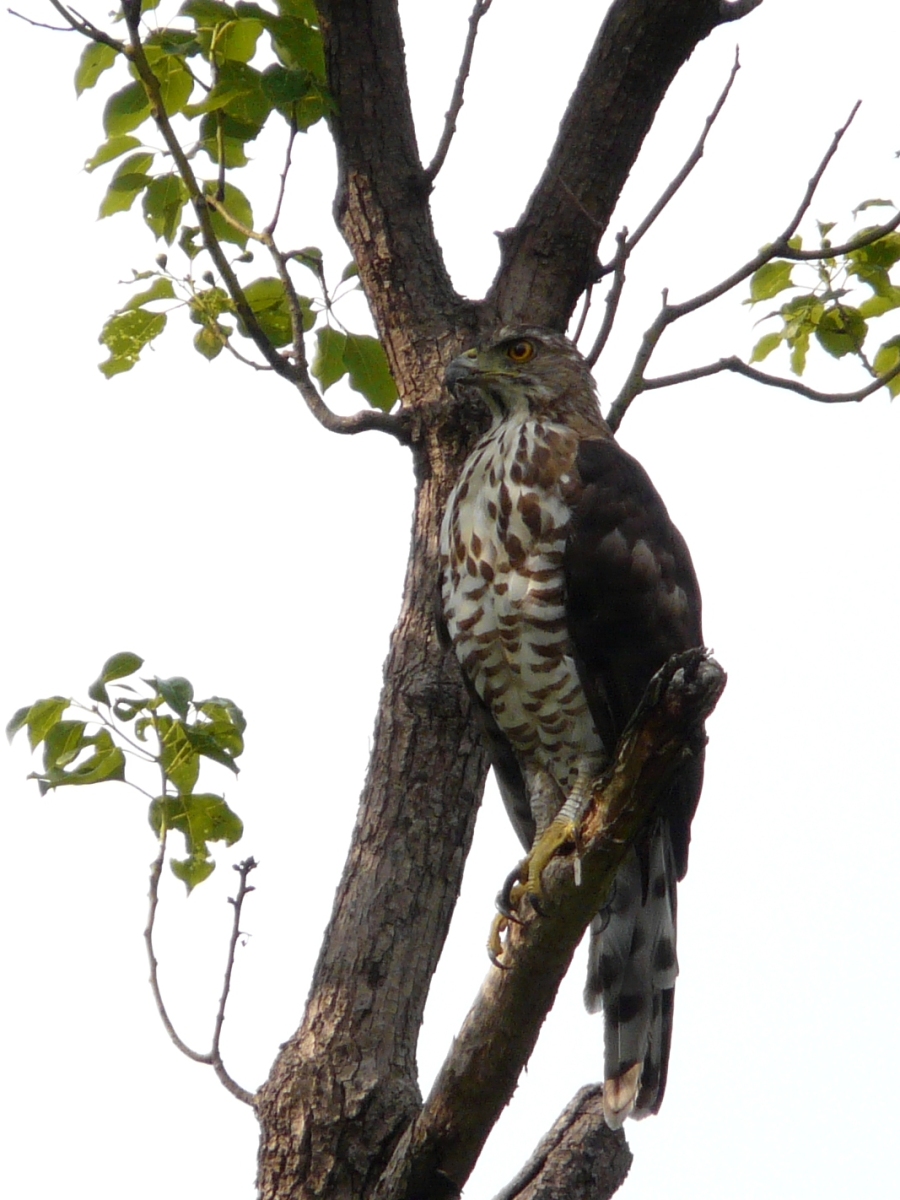
Besides finding a bath hole for the barbets and getting good photographs of the Night Heron, the highlight of the day probably seeing my first Accipiter in Taiwan! It was a Crested Goshawk (Accipiter trivirgatus) perched on a tree that was also a barbet's nest tree!

Crested Goshawk (Accipiter trivirgatus) - 鳳頭蒼鷹

Even though it is a common Accipiter in Taiwan, today was my first time seeing them. And memories of the beautiful raptors back in Canada came rushed back to me.

Crested Goshawk (Accipiter trivirgatus) - 鳳頭蒼鷹
What a handsome raptor! Its look reminds me of the Bald Eagles and Red-tailed Hawk. Oh, how I miss my bird friends.
.
Related Posts Plugin for WordPress, Blogger...